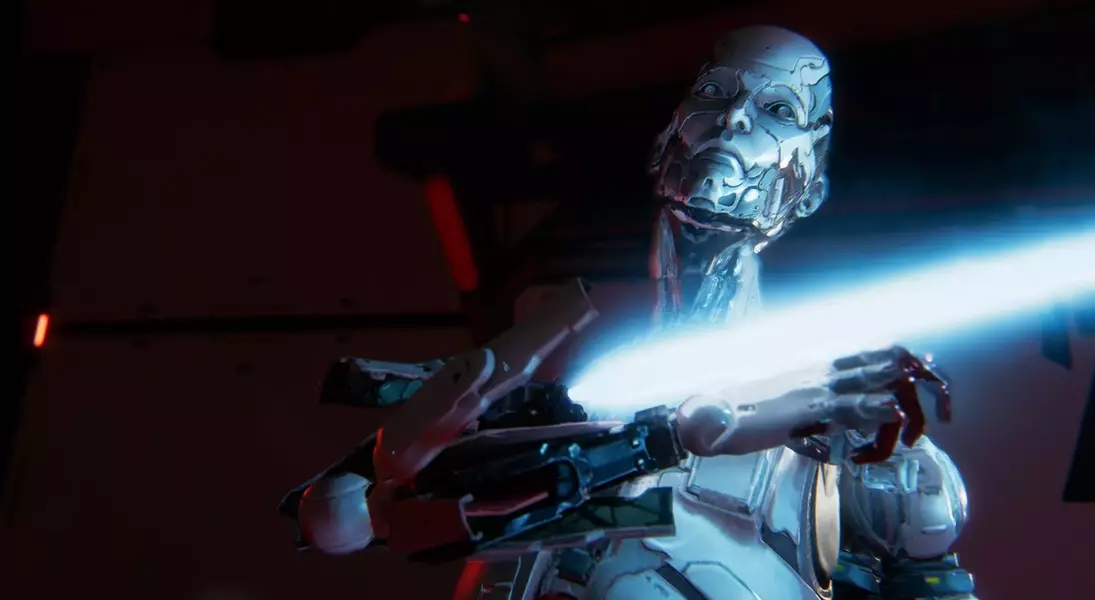

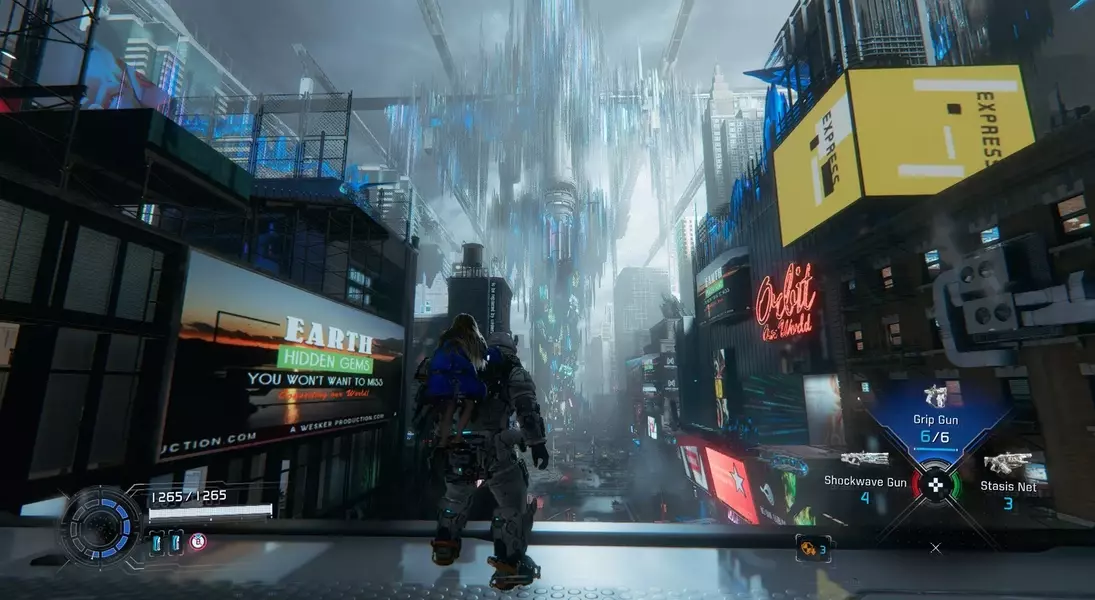
Capcom's latest science fiction release, Pragmata, has ignited considerable discussion within the gaming community, particularly concerning the distinct visual results achieved through ray tracing versus path tracing. The game, lauded for its strong performance with conventional ray tracing, faces scrutiny from players who perceive a significant and perhaps engineered disparity in image quality when compared to full path tracing. This has fueled speculation about deliberate tactics to encourage hardware upgrades and raises questions about optimization practices in game development.
This article delves into the heart of this controversy, presenting a detailed analysis of in-game visual comparisons to ascertain the true extent of the differences. By examining screenshots captured under varying lighting conditions, with both rendering techniques applied, we aim to provide a clearer understanding of how each method impacts the game's aesthetic. Furthermore, we explore the underlying technical demands of these advanced graphical technologies and their broader implications for both game developers striving for realism and consumers navigating the evolving landscape of gaming hardware.
Understanding the Visual Discrepancy: Ray Tracing vs. Path Tracing in Pragmata
Capcom's recently launched sci-fi adventure, Pragmata, has garnered positive feedback for its optimized performance, especially when utilizing ray tracing. However, a segment of the gaming community has voiced concerns over the perceived substantial gap in visual quality between standard ray tracing and full path tracing. This disparity has led to discussions on platforms like Reddit, where some speculate that the visual differences might be intentionally exaggerated to promote the adoption of more advanced, and often more expensive, graphics processing units. Others attribute these variations to potential development shortcuts. This exploration aims to dissect these claims by presenting direct visual comparisons from the game's early stages, allowing for an objective assessment of the fidelity enhancements offered by path tracing over ray tracing.
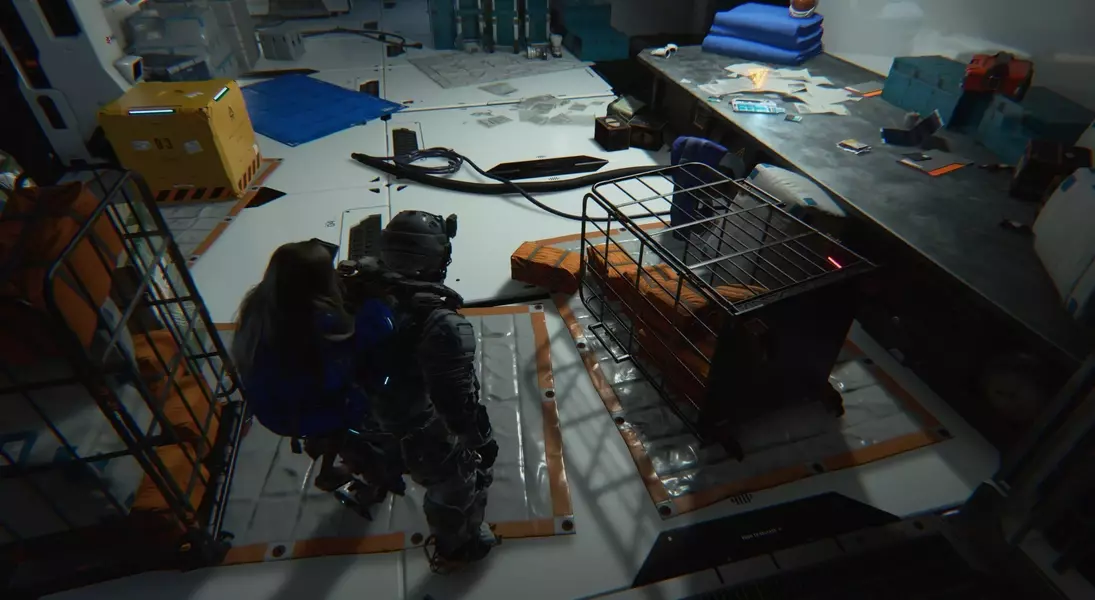
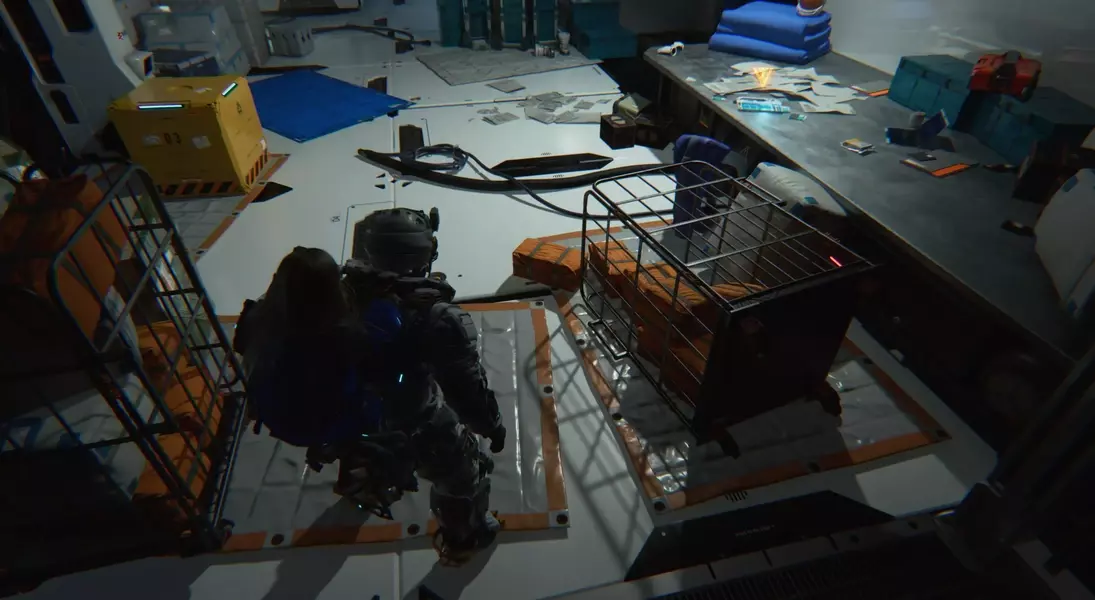
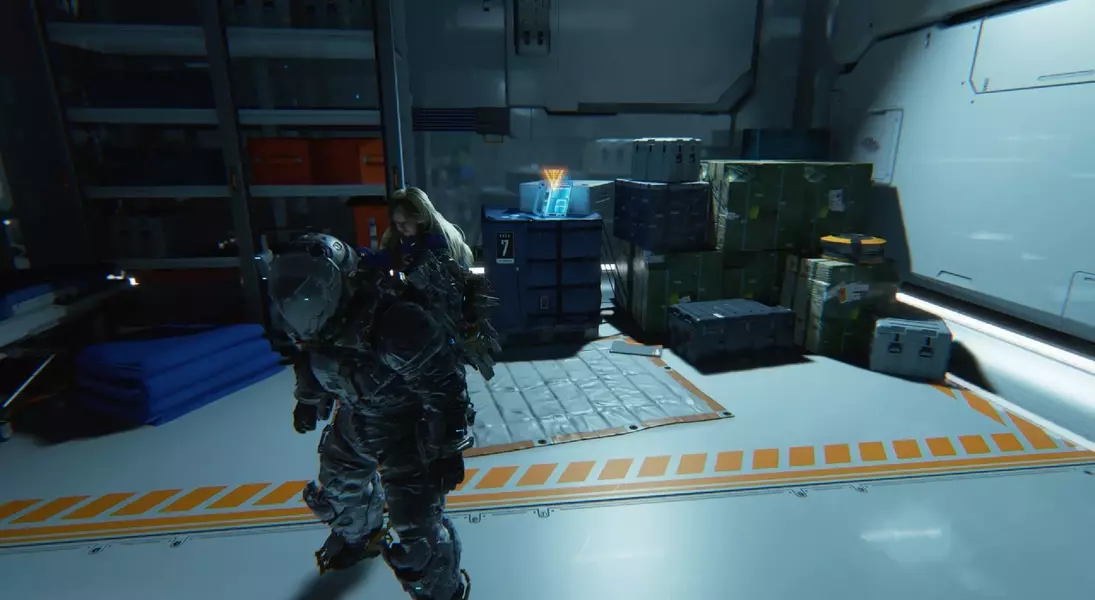
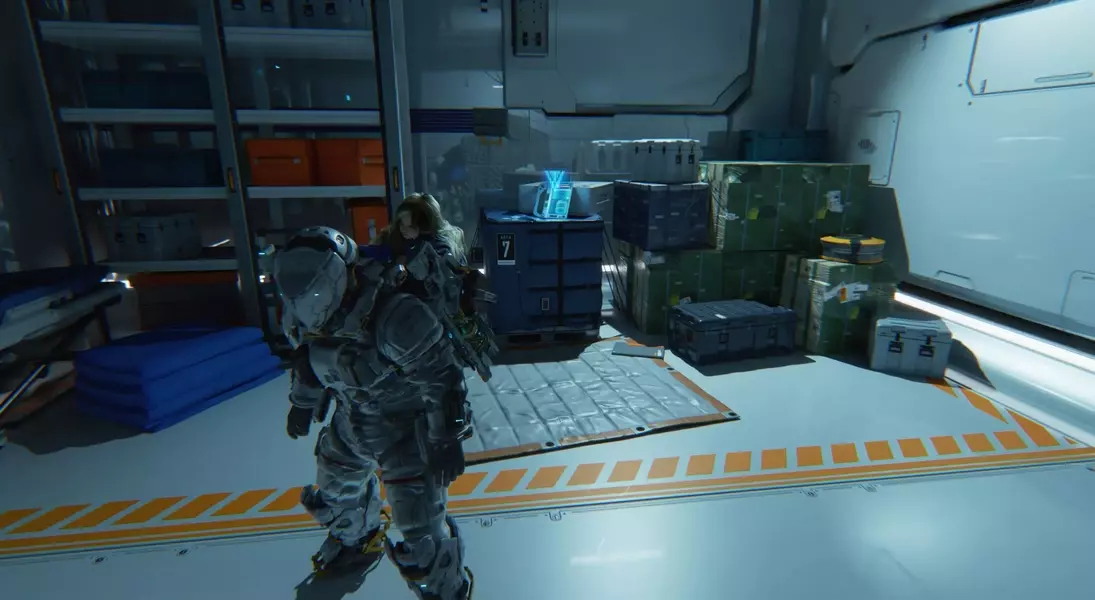
To investigate these assertions, a direct comparison of in-game visuals was conducted, focusing on scenarios rendered with both ray tracing and path tracing. The goal was to objectively evaluate the visual improvements path tracing brings, moving beyond anecdotal evidence. In dimly lit environments, path tracing demonstrably produces sharper, more defined shadow edges and introduces subtle details that significantly enhance the perception of depth and realism. For instance, objects like scattered papers, which appear almost flat with ray tracing, gain a tangible three-dimensional quality under path tracing due to enhanced shadowing. Similarly, a tipped-over cart exhibits more distinct shadows and improved highlights, making it appear more grounded and volumetric. While ray tracing undeniably offers impressive visuals, path tracing consistently delivers a more nuanced and immersive experience, particularly in complex lighting situations. However, this enhanced realism comes at a significant performance cost, suggesting that developers might indeed be optimizing ray tracing for broader accessibility while offering path tracing as a high-end visual upgrade for those with powerful hardware.
Performance and Perceptions: Navigating the Trade-offs of Advanced Graphics
The debate surrounding Pragmata's graphical rendering extends beyond mere aesthetics to the critical area of performance. While the visual enhancements of path tracing are undeniable, particularly in terms of shadow definition and environmental depth, these improvements demand a considerable toll on hardware resources. Playing Pragmata at 4K resolution with maximum settings and ray tracing on, even with performance-enhancing technologies like DLSS Balanced and Frame Generation, an RTX 5070 Ti can comfortably maintain a high frame rate, nearing the monitor's refresh limit. This demonstrates that ray tracing, when implemented with optimization in mind, can provide a fluid and visually appealing experience on capable, though not necessarily top-tier, hardware. The smooth gameplay offered by this configuration, coupled with still impressive graphics, presents a compelling argument for players to prioritize frame rate over the ultimate visual fidelity.
However, activating path tracing reveals the true computational intensity of this technology, with frame rates dropping significantly into the mid-80s on the same hardware, even before considering the impact of removing frame generation. This stark performance drop underscores the current hardware limitations for achieving full path tracing at high resolutions and settings without compromise. While some gamers might perceive this visual hierarchy as a deliberate industry strategy to compel upgrades to more expensive GPUs, a more pragmatic interpretation suggests that developers are balancing cutting-edge visual options with broad accessibility. Providing a well-optimized ray tracing experience ensures the game is enjoyable for a wider audience, while path tracing caters to enthusiasts with top-tier systems. Ultimately, for the majority of players, prioritizing a stable and high frame rate with standard ray tracing offers a superior gameplay experience, postponing the need for costly GPU upgrades until path tracing becomes more performance-efficient.
