
"Derelict Star," an independent action-platformer released in early April, has sparked a debate within the gaming community, particularly concerning its unique movement mechanics. While acclaimed game developer Jonathan Blow criticized the game's controls as "clunky" and unpolished, others, including the author of this report and N++ developer Raigan Burns, laud its innovative physics system. The game, created by John Williams (aka gate), is a metroidvania-style experience with visuals reminiscent of the Pico-8 console, featuring chunky pixel art. Its core appeal lies in mastering its intricate movement, which involves an astronaut character's legs and jetpack, demanding a nuanced understanding of speed and momentum to navigate around 500 discrete screens. Despite initial perceived difficulty, players are rewarded with a profound sense of control and fluidity as they delve deeper into the game's mechanics.
Delving into "Derelict Star": A Journey of Precision and Momentum
In the spring of this year, a new indie platformer titled "Derelict Star" emerged, quickly gathering a dedicated following among enthusiasts of movement-focused games. However, a notable critique came from Jonathan Blow, the creator of "Braid" and "The Witness," who, around the same time, voiced his frustration on X, calling the game's introductory levels a "rage quit" experience due to what he perceived as uninteresting and unpolished controls. He expressed that if the game held deeper intrigue, it should not be hidden behind such frustrating early obstacles.
This sharp criticism, however, stood in stark contrast to the burgeoning appreciation for "Derelict Star." Inspired by a recommendation that likened the game to the beloved N++, a game celebrated for its precision platforming, the author decided to explore it. After approximately six hours of gameplay, the verdict was clear: Blow's assessment, while valid as an opinion, profoundly misjudged the game's true nature.
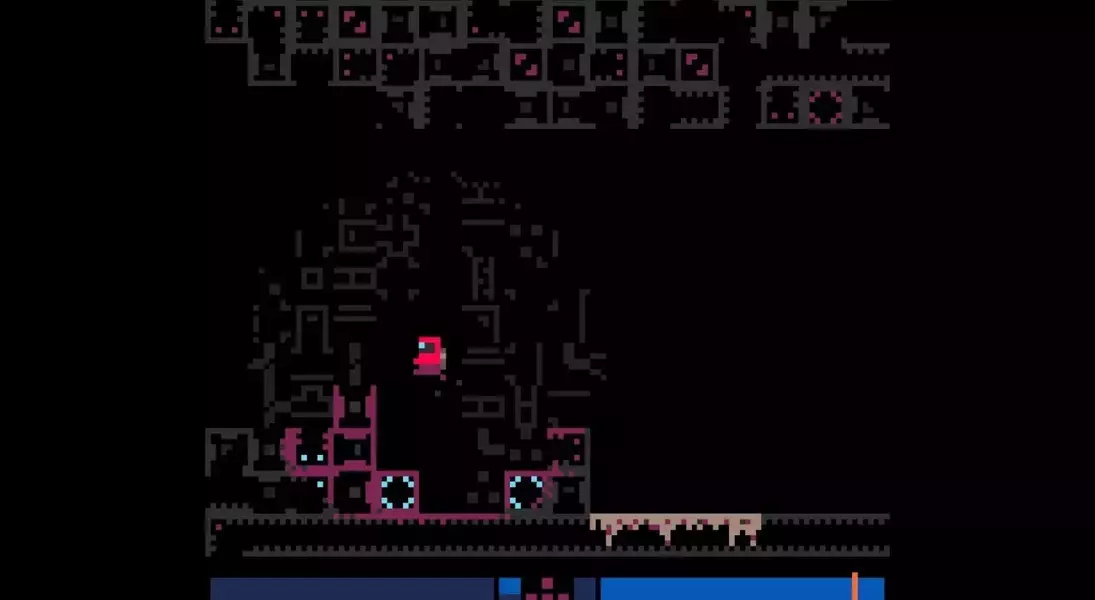
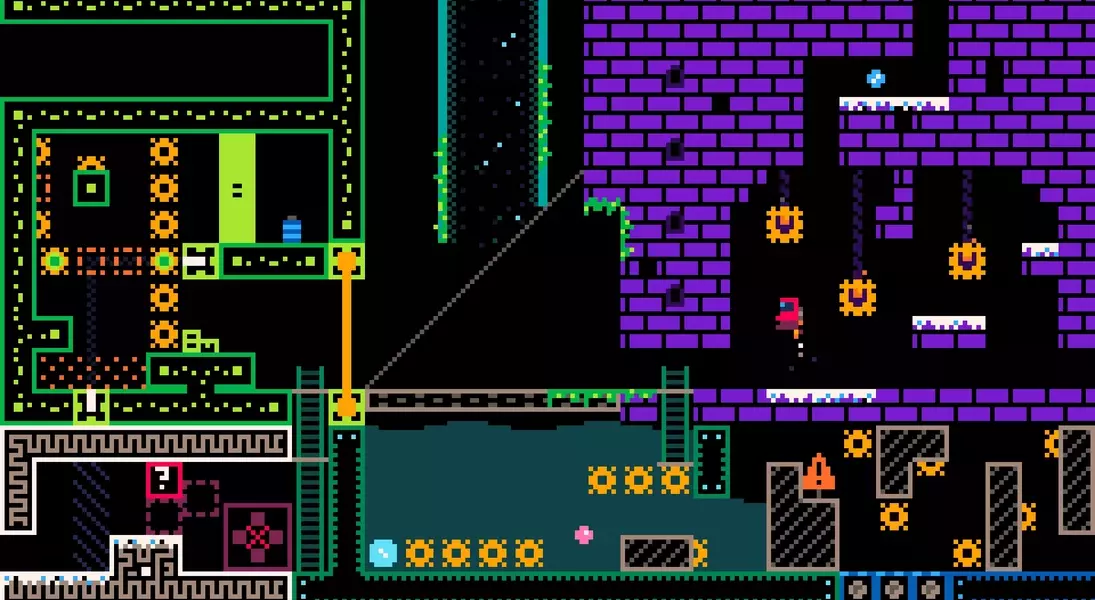
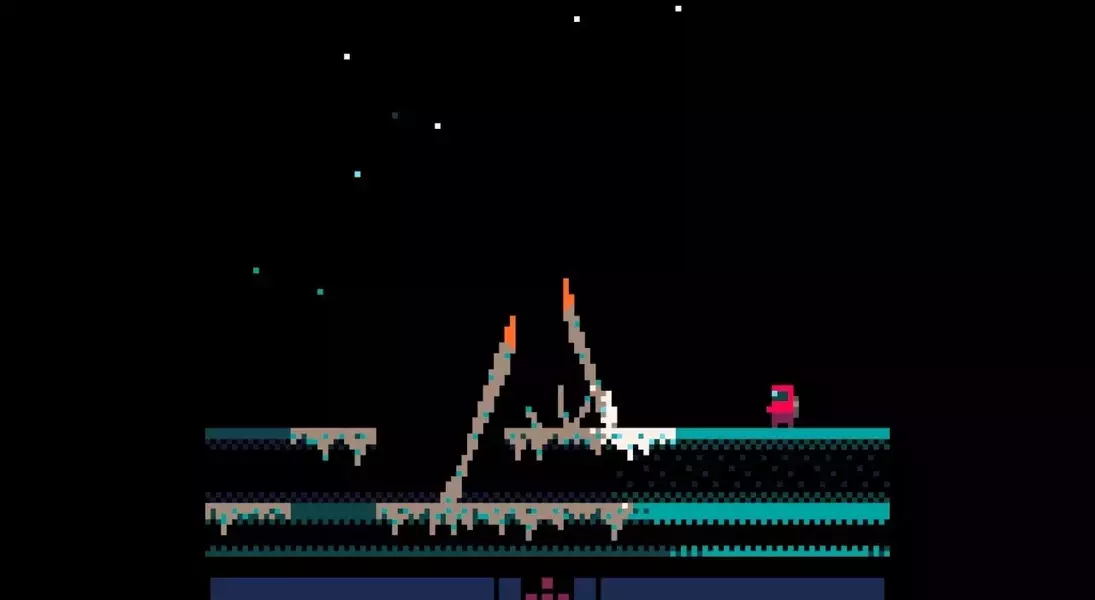
"Derelict Star" casts players as an unnamed astronaut whose spacecraft is stranded, forcing them to scavenge power cells from a derelict freighter. This quest unfolds across an expansive metroidvania world comprising roughly 500 distinct screens. The game's aesthetic, characterized by its chunky pixel art, pays homage to early console eras like the Atari 2600 and 8-bit systems. This visual style is not merely nostalgic; it's a practical design choice, as the crisp right angles of each pixel are crucial for the precision required in its gameplay.
The game’s true brilliance lies in its fine-tuned movement system. Initially, the controls might feel cumbersome, but within minutes, players begin to uncover its expressive depth. The astronaut's movement, relying on legs and a jetpack, demands a careful interplay of speed and momentum. A key lesson is the significant boost in jetpack height achieved by initiating a jump while running. This momentum-driven mechanic, akin to the P-Meter in "Super Mario Bros. 3," is central to overcoming obstacles. The game subtly teaches players to bounce off walls for added momentum, enabling seemingly impossible maneuvers. This gradual discovery of movement nuances transforms the initial struggle into a graceful, almost balletic, digital experience.
John Williams, the game's developer, explained that his design was heavily influenced by observing "Kaizo" Super Mario World ROM hacks, which highlighted the hidden complexities of Mario's movement. He noted that the astronaut's jetpack serves as an intuitive visual metaphor for mechanics like extended airtime, which might otherwise be obscure. Williams also cited the original N as a major inspiration, particularly its physics-based movement, and acknowledged the game's subtle borrowings from N's design in solving similar platforming challenges.
Williams believes that "Derelict Star" is singularly focused on the subtleties of movement mechanics. He contended that Blow's critique stemmed from a misunderstanding, perhaps expecting a different kind of puzzle-adventure game rather than one centered on deep movement systems. Williams firmly rejects the notion of "objectively bad" design, emphasizing that every design choice involves trade-offs that align with specific goals. For him, the deep, stateful, and momentum-focused platforming in "Derelict Star" is an underserved aspect of game design, offering rewarding experiences for players willing to engage with its intricate systems.
This immersive journey through "Derelict Star" reveals a game that, despite its initial learning curve, offers profound satisfaction through mastery of its physics and movement. It stands as a testament to the idea that true engagement often comes from systems that challenge and reward attention to detail, transforming perceived clunkiness into a fluid and deeply gratifying play experience.
