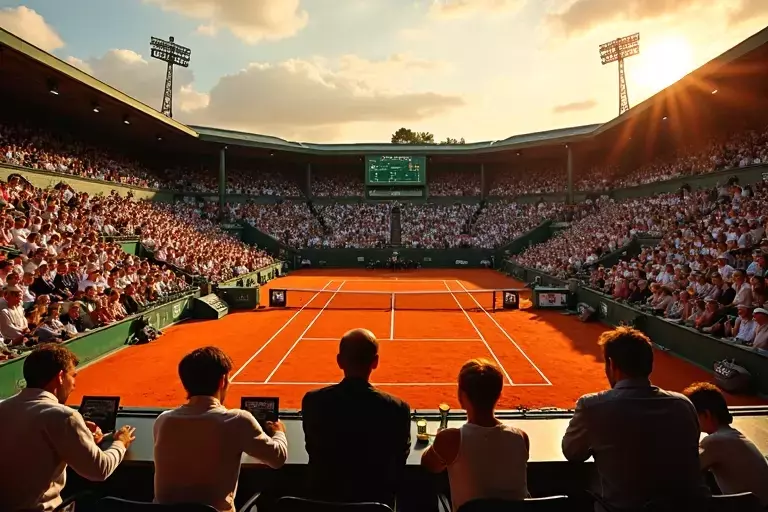

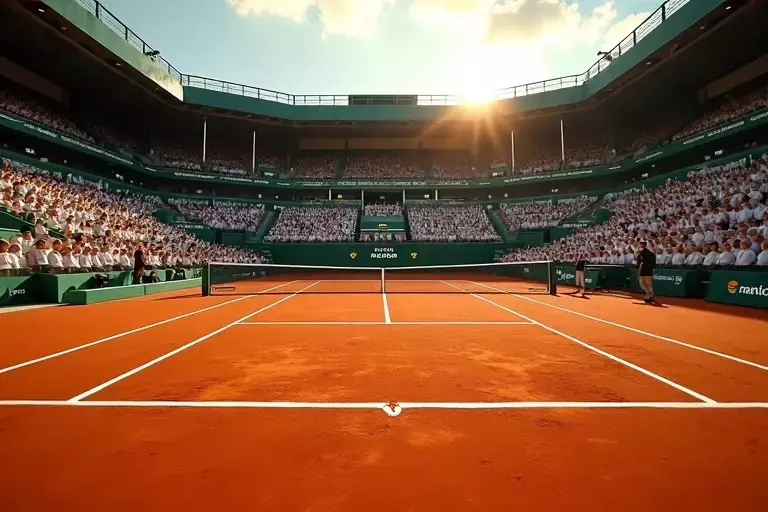



As tennis continues its march toward modernization, a notable divide emerges regarding the use of electronic line-calling systems. While many tournaments embrace this technological advancement, the French Open clings to traditional methods, employing human line judges instead. This choice has sparked discussions among players and fans alike, with some advocating for innovation and others cherishing tradition.
Notable figures like Novak Djokovic express support for technology due to its accuracy and efficiency, contrasting with sentiments from those who appreciate the human element in decision-making. The French Tennis Federation remains resolute, valuing the expertise of its officials over automated systems, despite growing trends favoring electronic aids across various sports.
Championing Tradition Amid Technological Advancements
In an era dominated by digital transformation, the French Open stands out as a bastion of tradition. By maintaining reliance on human line judges, it preserves a long-standing practice that resonates deeply with purists. This approach contrasts sharply with other major tournaments adopting automatic line-calling systems, reflecting differing priorities within the sport.
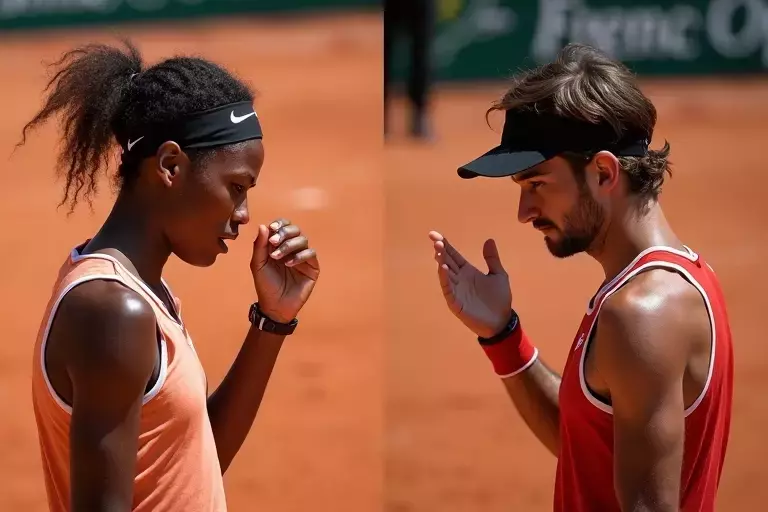
Players exhibit varied opinions about this stance. Some, such as Coco Gauff, embrace new technologies, believing they enhance fairness and streamline matches. Others, including Stefanos Tsitsipas, find appeal in the unique dynamics fostered by human judgment on clay courts. These differing perspectives highlight the nuanced debate surrounding progress versus preservation in professional tennis.
Despite global trends favoring automation, the French Tennis Federation champions its commitment to traditional refereeing styles. President Gilles Moretton emphasizes confidence in national officials' capabilities, asserting their role enhances the tournament's authenticity. Such dedication underscores the cultural significance attached to preserving time-honored practices amidst rapid technological evolution.
Navigating Challenges Between Humans and Machines
While embracing technology offers numerous advantages, challenges persist when integrating these innovations into competitive environments. Instances arise where disagreements occur between athletes and officials, leading to prolonged disputes or unconventional solutions like photographing ball marks. These scenarios illustrate inherent limitations associated with both manual and automated systems.
Tommy Paul highlights potential inaccuracies stemming from human error but acknowledges similar risks exist even with advanced machinery. His observations underscore complexities involved in transitioning away from established norms towards uncharted territories defined by artificial intelligence. Furthermore, recent events featuring top players utilizing smartphones during matches exemplify creative workarounds devised under pressure situations lacking definitive answers through conventional means.
Ultimately, balancing respect for historical customs while exploring beneficial advancements proves crucial moving forward. As discussions evolve around implementing cutting-edge tools without compromising core values cherished throughout decades of competition history, stakeholders must carefully consider implications affecting all aspects of gameplay experience—from player interactions to audience engagement levels worldwide.
