The fluctuating landscape of component pricing has long been a concern for PC builders and gamers. Recently, there's been a notable shift in the retail cost of DDR5 memory modules, providing a momentary respite for consumers burdened by elevated hardware expenses. However, this apparent downward trend is met with a nuanced perspective from market experts, who caution against premature conclusions regarding the overall health and future direction of the memory market, especially considering the pervasive influence of artificial intelligence.
DDR5 Prices: A Ray of Hope in a Challenging Market
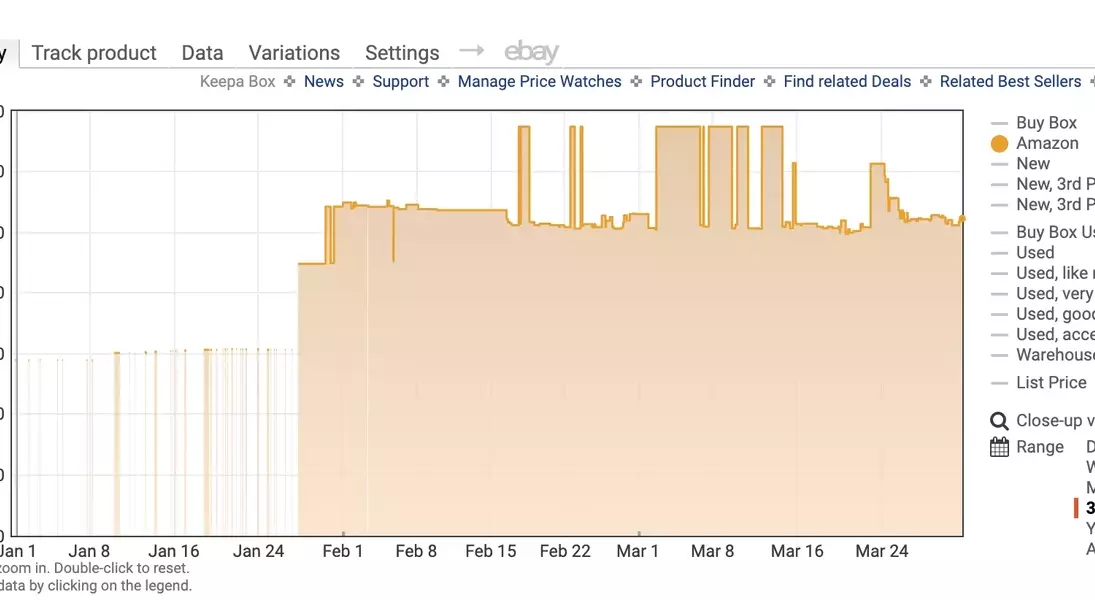
Retail DDR5 Memory Prices Experience Significant Drop Across Key Regions
A recent analysis reveals a substantial reduction in the retail cost of DDR5 memory kits within the United States, Europe, and China. This development comes at a time when PC gamers have been grappling with inflated component prices, sparking discussions about a potential turning point in the market.
Analyst Insights: OpenAI's Spending Cuts and Market Impact
Industry analysts, including Trendforce, attribute this price correction, in part, to spending cutbacks at OpenAI. The market intelligence firm highlights a broad sell-off of DDR5 modules, intensified by ongoing debates surrounding Google's TurboQuant technology. This situation prompts inquiry into whether these shifts signify a broader downturn in demand for memory.
Inconsistencies in Price Trends: Retail vs. Contract Prices
Despite the observed retail price reductions, a closer examination of online retailers indicates that while some DDR5 kits are priced lower than their historical peaks, a consistent downward trend across all offerings isn't universally apparent. Many memory kits show price oscillations rather than a steady decline. Furthermore, Trendforce acknowledges that major memory suppliers report stable contract prices, suggesting a disconnect between the retail and wholesale markets.
The Short-Term Adjustment: Consumer-Driven Fluctuations
Trendforce characterizes the current DDR5 price adjustment as a short-term, consumer-driven phenomenon. The stability of contract prices and sustained demand for high-bandwidth memory (HBM) and DRAM from the server sector, largely fueled by multi-year agreements with key clients, reinforces this view. The long-term fundamentals of the memory industry are believed to remain largely unchanged, with the current market turbulence potentially representing a healthy correction rather than an indicator of structural demand deterioration.
The AI Factor: A Pivotal Influence on Future Memory Pricing
The ultimate trajectory of memory prices remains intricately linked to the future of the artificial intelligence industry. Should the AI sector experience a significant slowdown, a collapse in memory prices could ensue. Conversely, if the advancements and applications of AI continue to expand as projected, memory chip prices are unlikely to return to their pre-AI levels in the foreseeable future. Various factors, including OpenAI's cutbacks, potential CPU shortages, the increasing memory demands of emerging technologies like autonomous vehicles and robotics, and Google's AI algorithm advancements designed to reduce memory consumption, all contribute to a complex and evolving market landscape that demands careful monitoring.
