

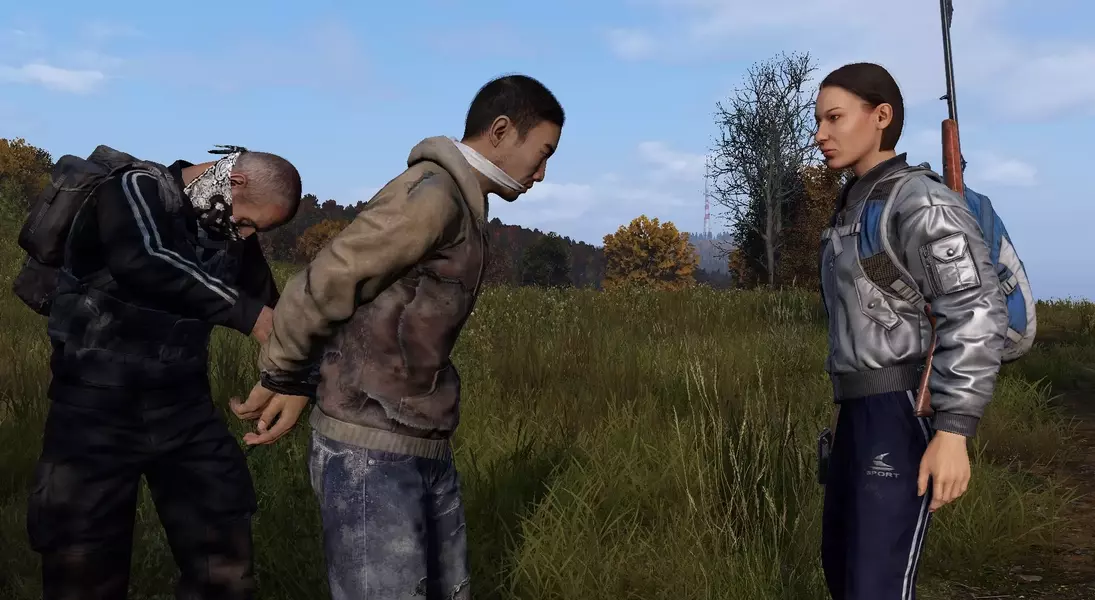
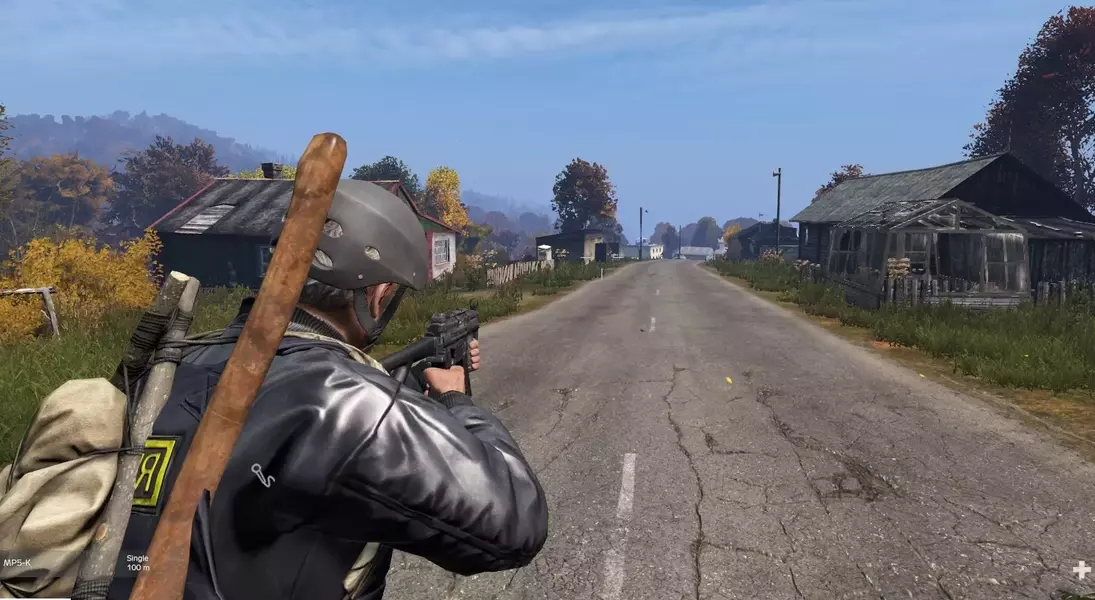

Dean 'Rocket' Hall, the mastermind behind the iconic DayZ mod, shares insights into his enduring quest for innovation within the survival game genre, a journey that has spanned over a decade. While the success of DayZ brought him global recognition, it also ushered in profound personal and professional changes. Hall describes this transformative period as akin to "dying," signaling a definitive end to his previous life and relationships. Despite acknowledging the immense fortune and opportunities that arose from DayZ's popularity, he admits to constantly seeking to recapture the initial thrill of its creation. This pursuit has been a driving force, propelling him through various creative endeavors and even pushing his studio, RocketWerkz, to the brink of financial collapse.
Hall's unwavering dedication stems from a desire to address a critical flaw he perceives in many survival titles: the eventual decline in player engagement and a lackluster endgame. He observes that players frequently report feeling bored or dissatisfied with the late-game content, often leading developers to resort to a brute-force approach by simply adding more content. While proud of his team's efforts with games like Icarus, he views this method as a temporary fix, not a fundamental solution. His philosophy, deeply rooted in his modding origins, emphasizes fostering strong, dedicated communities over chasing fleeting mass appeal, believing that the intrinsic satisfaction derived from a small, passionate audience is as profound as that from a much larger one. This perspective now guides RocketWerkz's development strategy, as they channel resources into ambitious new projects, perpetually striving to redefine the survival game experience.
The Enduring Challenge in Survival Games
For Dean Hall, the creator of the influential DayZ mod, the lasting impact of his creation comes with a unique set of challenges. He reflects on the immense personal and professional shifts that followed DayZ's explosion in popularity, describing it as a profound life-altering event. While grateful for the opportunities, recognition, and financial success it brought, Hall candidly admits to feeling a sense of loss and an ongoing desire to recreate the genuine passion he experienced during the mod's initial development. He believes that the core issue plaguing survival games is their inability to maintain long-term player interest, often leading to criticisms of repetitive gameplay or an unengaging endgame. He points out that many developers attempt to solve this by simply adding more content, which he views as a superficial fix rather than a true innovation.
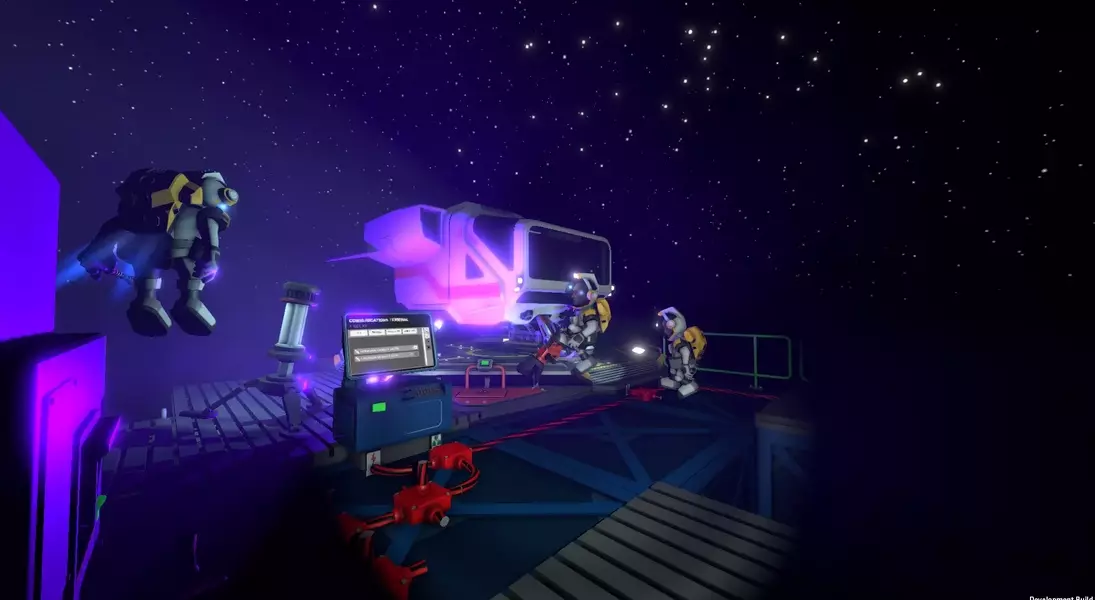
Hall's journey to find a deeper solution has been extensive, marked by both creative exploration and significant risks. After leaving Bohemia Interactive, where DayZ originated, he established RocketWerkz. The studio faced early setbacks, including a canceled project and the commercially struggling, albeit critically appreciated, Stationeers. This period tested RocketWerkz's resilience, nearly driving them to bankruptcy. Yet, through these trials, Hall has remained committed to tackling the fundamental design problem of survival games. His insights are shaped by a lifelong dedication to modding, an activity he credits with providing invaluable lessons in game development and fostering a deep understanding of player engagement. He firmly believes that genuine innovation, rather than mere content additions, is key to overcoming the inherent limitations of the genre.
RocketWerkz's Path to Sustainability and Future Endeavors
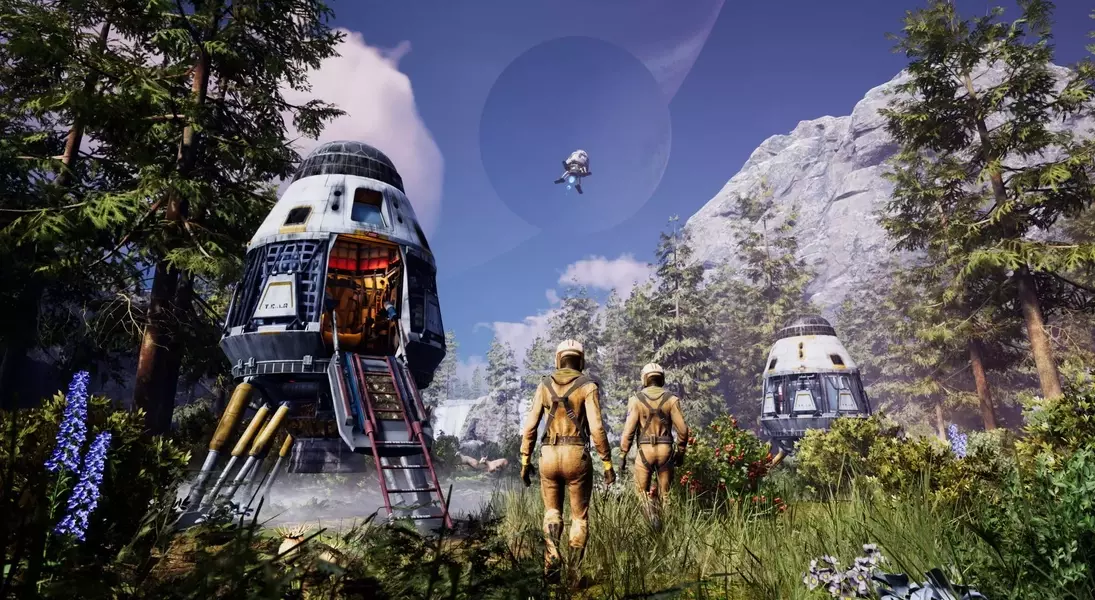
Following the difficult commercial performance of Stationeers, which incurred years of losses before reaching profitability, RocketWerkz embarked on its next major project, Icarus. This online survival game initially featured a free-to-play model with a run-based loop, designed as Hall's direct attempt to counter the survival genre's endgame problem. However, player feedback was critical of the perceived loss of progress with each mission cycle, leading to a swift and challenging pivot for the studio. Faced with potential financial ruin, RocketWerkz transitioned Icarus to a paid model and committed to a rigorous schedule of weekly updates. Hall describes this period as immensely demanding, but it ultimately forged a loyal player base and enabled the sale of paid expansions. He openly discusses the tight financial margins, noting that many DLCs barely break even, and that true profitability for Icarus only materialized in the last year, securing the studio's future.
This journey has instilled in Hall a deep appreciation for fostering dedicated communities, arguing that a smaller, passionate audience can be more valuable than a vast, less engaged player base. He likens the emotional gratification of pleasing a hundred fans to that of a hundred thousand, allowing him to prioritize creative passion over market pressures. This philosophy is evident in Kitten Space Agency, RocketWerkz's free, community-funded project, where players determine its value through contributions. While acknowledging that no perfect solution to the survival game problem has been found, Hall continues to explore concepts like "layered pressures"—drawing inspiration from games like Valheim's boss preparation mechanics or Minecraft mods that introduce new psychological dimensions. With RocketWerkz now financially stable and channeling all earnings into its next ambitious, DayZ/ArmA-style project, Hall remains driven by the pursuit of innovation, even if he believes the ultimate solution to survival gaming's biggest challenge may remain elusive in his lifetime.
