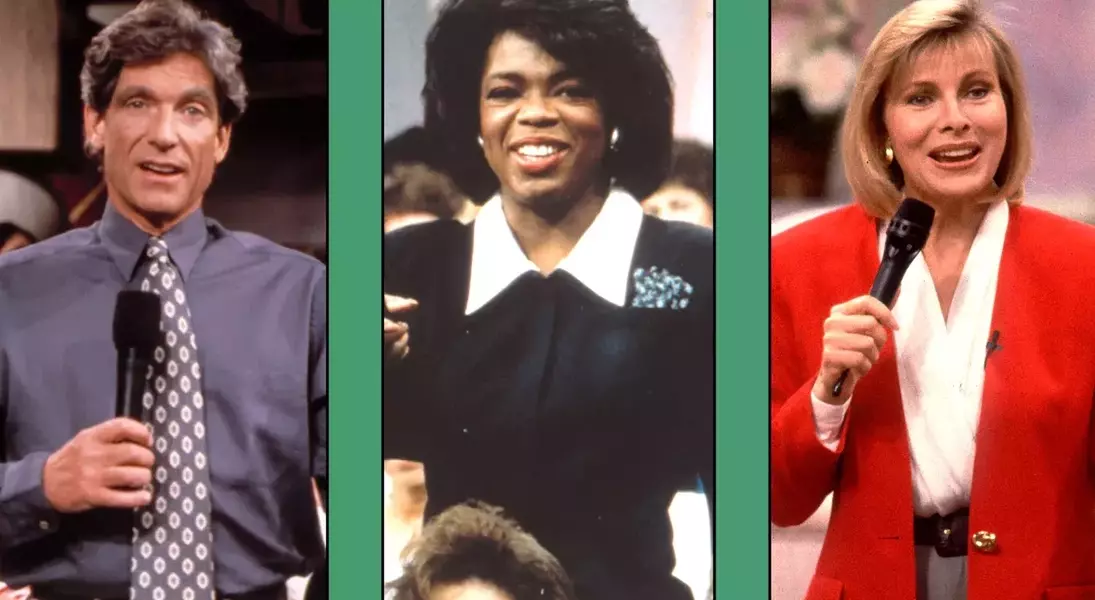
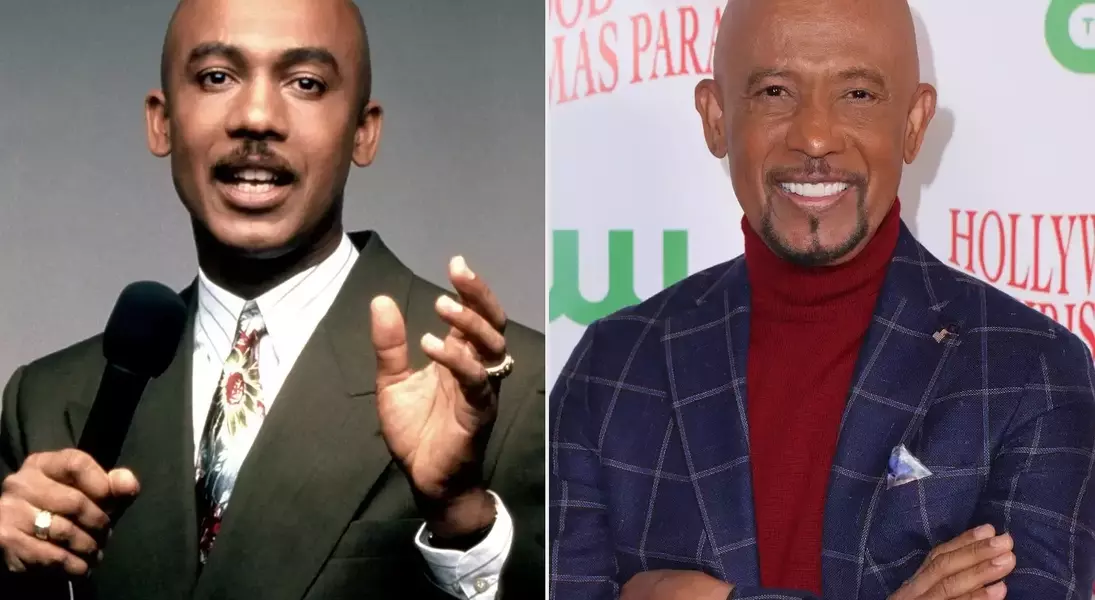
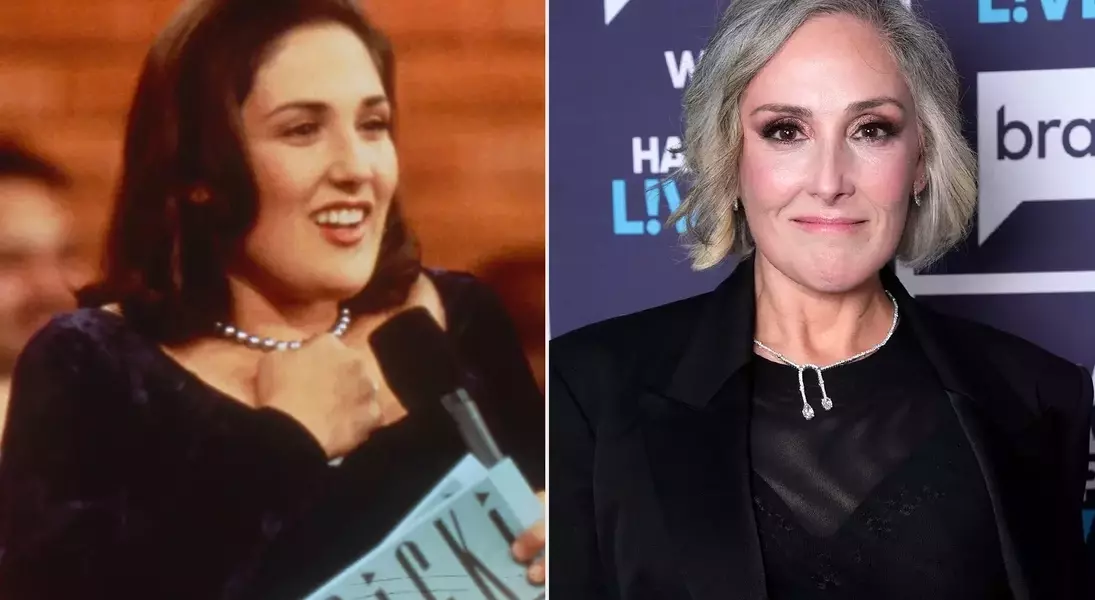
The documentary series "Dirty Talk: When Daytime Talk Shows Ruled TV" offers a fascinating look into the popular and often controversial era of daytime talk television from the 1980s and 1990s. This period saw a dramatic shift in television programming, moving from more traditional interview formats to highly engaging and sometimes sensationalized discussions that captivated millions of viewers. The series features insights from some of the most iconic hosts of the time, including Sally Jessy Raphael, Maury Povich, and Montel Williams, who share their experiences and perspectives on how their shows transformed the television landscape. These programs became cultural touchstones, reflecting and shaping societal conversations while pushing the boundaries of what was considered appropriate for daytime viewing.
From the pioneering efforts of Phil Donahue, who revolutionized audience interaction, to the groundbreaking personal narratives shared by Oprah Winfrey, and the often chaotic, yet hugely popular, spectacles presented by Jerry Springer, these hosts left an indelible mark on television history. The docuseries also highlights the careers of figures like Geraldo Rivera, known for his confrontational style, Ricki Lake, who brought a youthful energy to the genre, and Jenny Jones, whose show tragically became linked to a real-life crime. Each host navigated a unique path, contributing to a diverse and dynamic television environment that continues to influence media today. Their stories collectively paint a vivid picture of a time when daytime talk shows were not just entertainment, but significant cultural phenomena.
The Pioneering Voices of Daytime Television
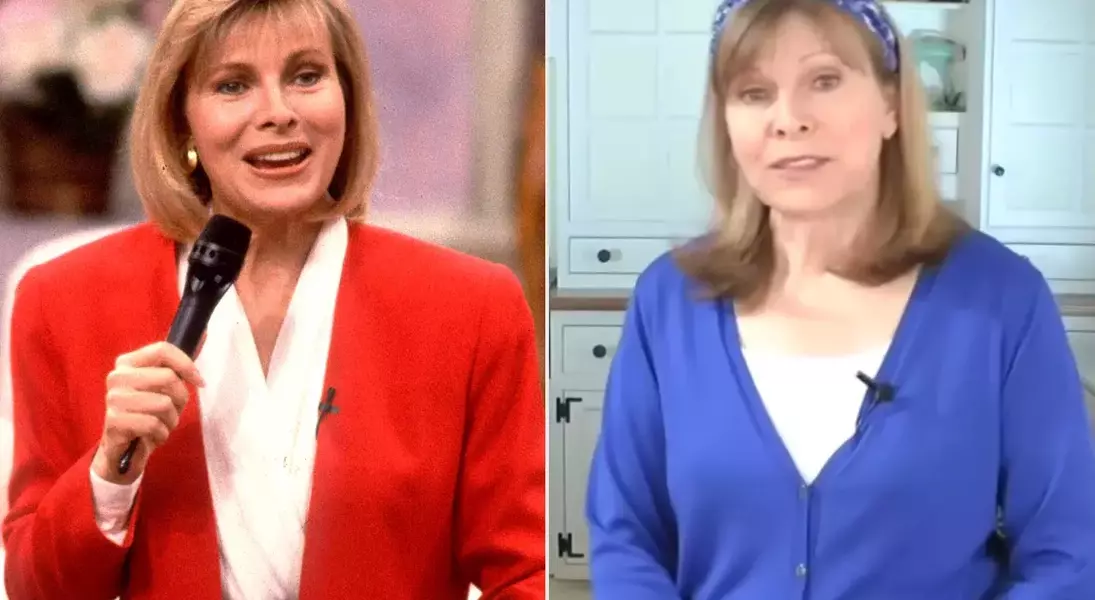
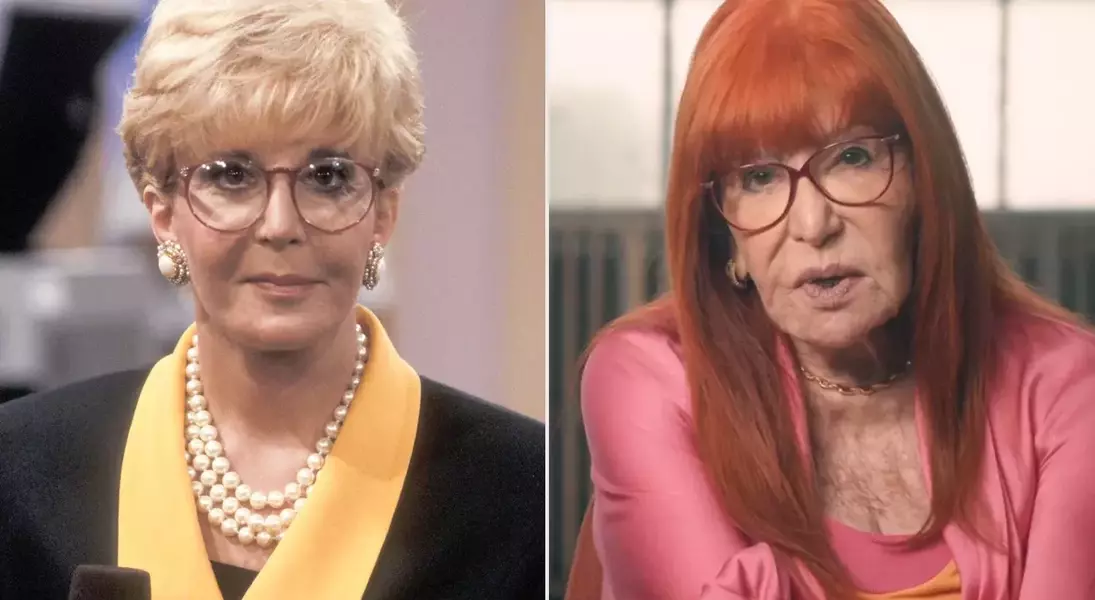
During the 1980s and 1990s, daytime talk shows underwent a significant evolution, moving from traditional interview formats to more personal and often sensational discussions. Sally Jessy Raphael, with her distinctive red glasses, followed in the footsteps of Phil Donahue, initially appearing as a guest host before launching her own highly successful program, "The Sally Jessy Raphael Show." Her approach was characterized by an intimate connection with her guests, based on her willingness to listen intently. This empathetic style resonated deeply with audiences, earning her critical acclaim and a Daytime Emmy Award. Her show's eventual decline, according to Raphael, was due to new ownership pushing for more scandalous content, a direction that diverged from her strengths and interests as a host.
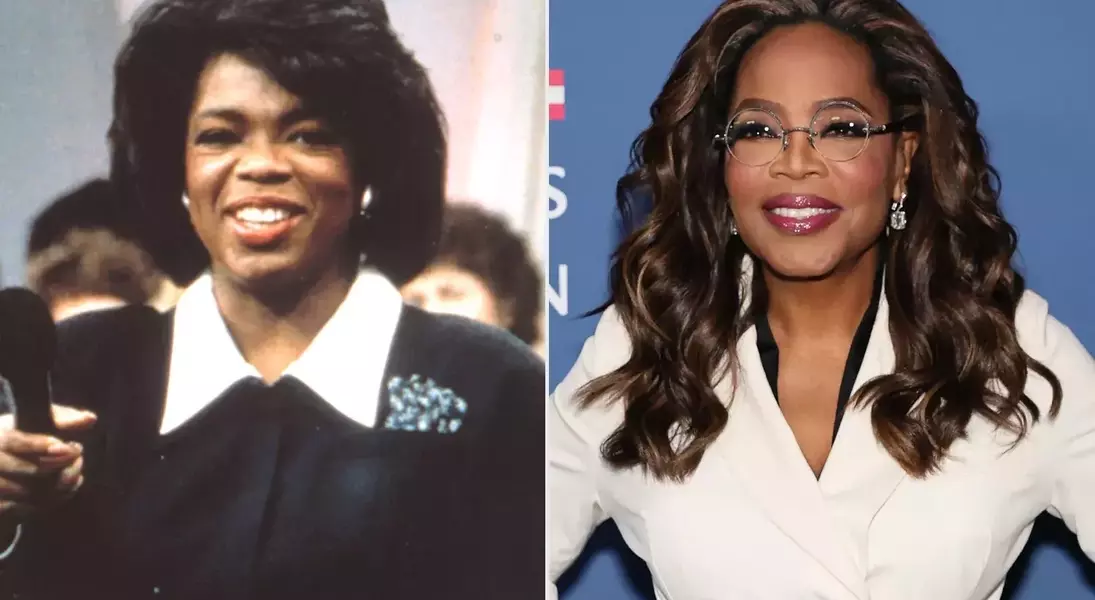
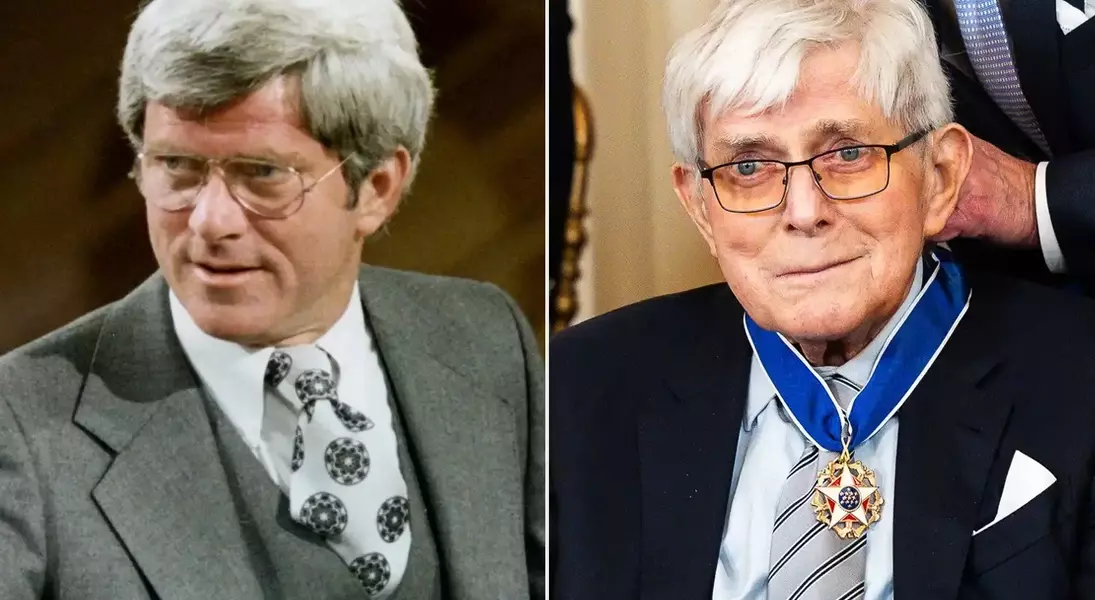
Phil Donahue, often hailed as the "King of Daytime Talk," set the stage for this new era. Beginning in 1967, his show revolutionized the format by directly involving the studio audience in conversations, a groundbreaking move at the time. This interactive approach earned him numerous awards and solidified his status as a pioneer in television. Oprah Winfrey built upon this foundation, transforming "AM Chicago" into a national phenomenon and, ultimately, establishing "The Oprah Winfrey Show." Her willingness to share personal struggles and vulnerabilities created a profound bond with her audience, leading to unprecedented success and making her a global brand. These early figures paved the way for the diverse and often controversial landscape of daytime talk that would follow.
The Evolution and Enduring Impact of Talk Shows
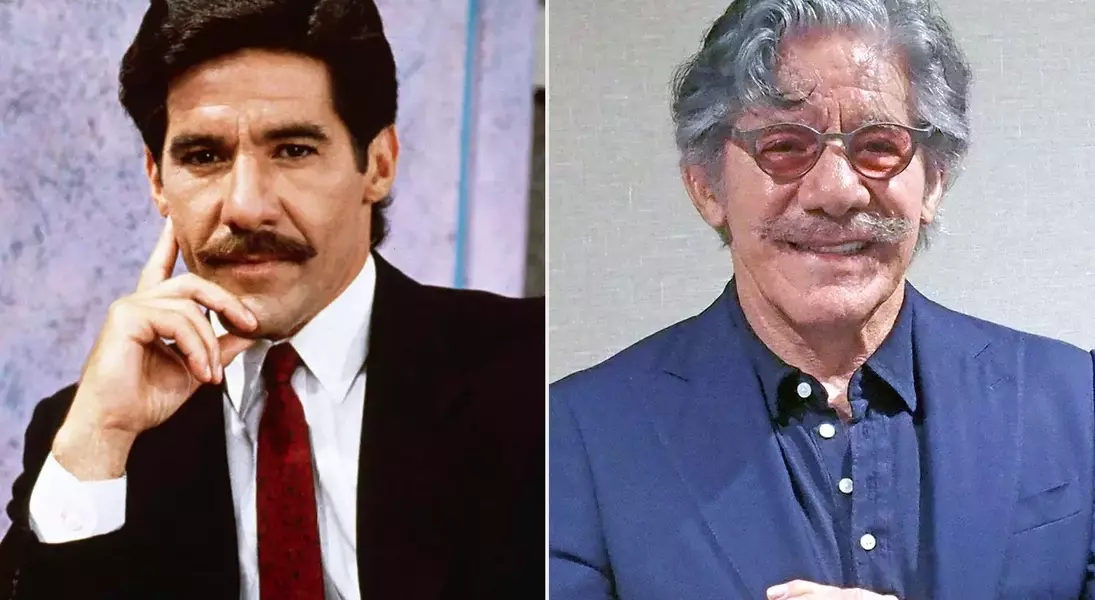
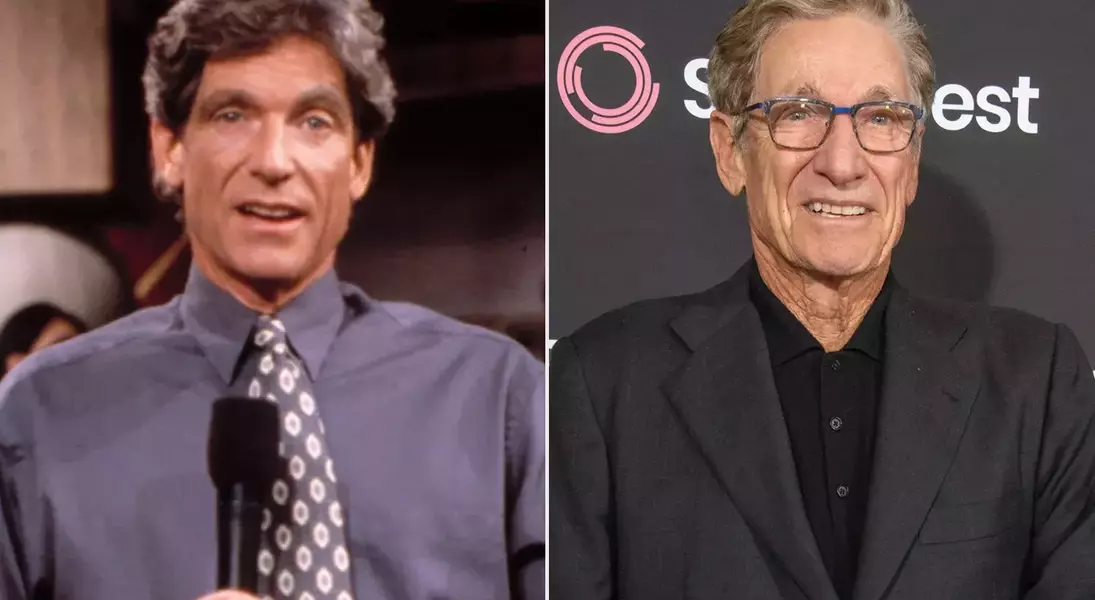
As the daytime talk show landscape matured, it saw the emergence of figures who embraced or even defined the sensationalist trends of the era. Geraldo Rivera, a former attorney and journalist, leveraged his high profile to launch "Geraldo," a show heavily influenced by tabloid journalism. His program gained notoriety after a highly publicized on-air altercation, solidifying its reputation for controversy and high ratings. Maury Povich, already a household name from "A Current Affair," initially sought a more subdued approach for "The Maury Povich Show." However, he eventually leaned into the dramatic, becoming a long-running fixture known for its "silly-shock genre" and outlasting many competitors, often focusing on paternity tests and relationship disputes.
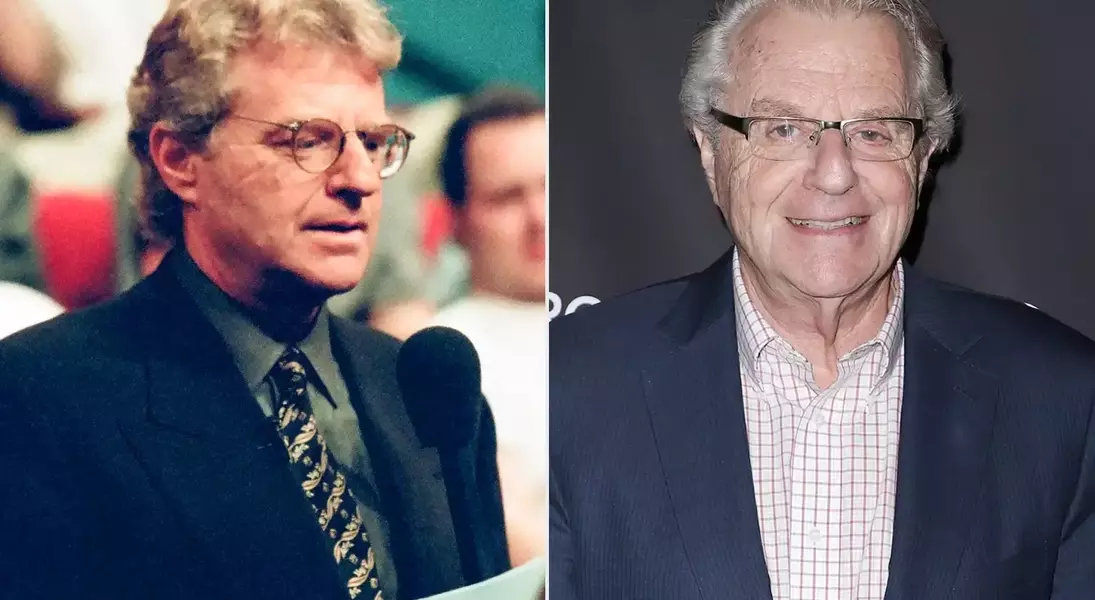
Jerry Springer epitomized the most sensational aspects of this period with "The Jerry Springer Show," which evolved from a political talk show into one featuring extreme and often combative personal stories, frequently culminating in on-stage fights cheered by the audience. His show became a cultural touchstone, albeit a controversial one, influencing popular culture and spawning spin-offs. Montel Williams, a decorated naval officer, carved out a niche by focusing on serious topics and delving into the psychology of his guests, earning critical acclaim and a Daytime Emmy. Ricki Lake, a young actress, brought a fresh, youthful perspective to daytime television, addressing topics relevant to her generation in a playful yet dramatic manner. Conversely, Jenny Jones' show, which blended comedy with personal stories, faced a tragic incident that forever linked it to serious ethical questions surrounding exploitative television. These hosts, through their varied approaches, cemented the daytime talk show as a powerful, albeit complex, force in television history, leaving a lasting legacy on media and public discourse.
