


The emergence of AI-powered coding platforms promises a future where software development is accessible to everyone, regardless of their programming expertise. This innovative concept, dubbed \"vibe coding,\" aims to transform spoken language into functional applications, websites, or visualizations. This article delves into a comparative analysis of three prominent consumer-grade AI services—GPT-5, Claude 4.1 Opus, and Grok 4 (Expert)—to evaluate their current efficacy in fulfilling this ambitious vision, particularly for novice users.
Unleashing Creativity: Code with Your Thoughts, Not Your Fingers!
Evaluating AI's Prowess in Software Generation: A Methodical Approach to Vibe Coding Assessment
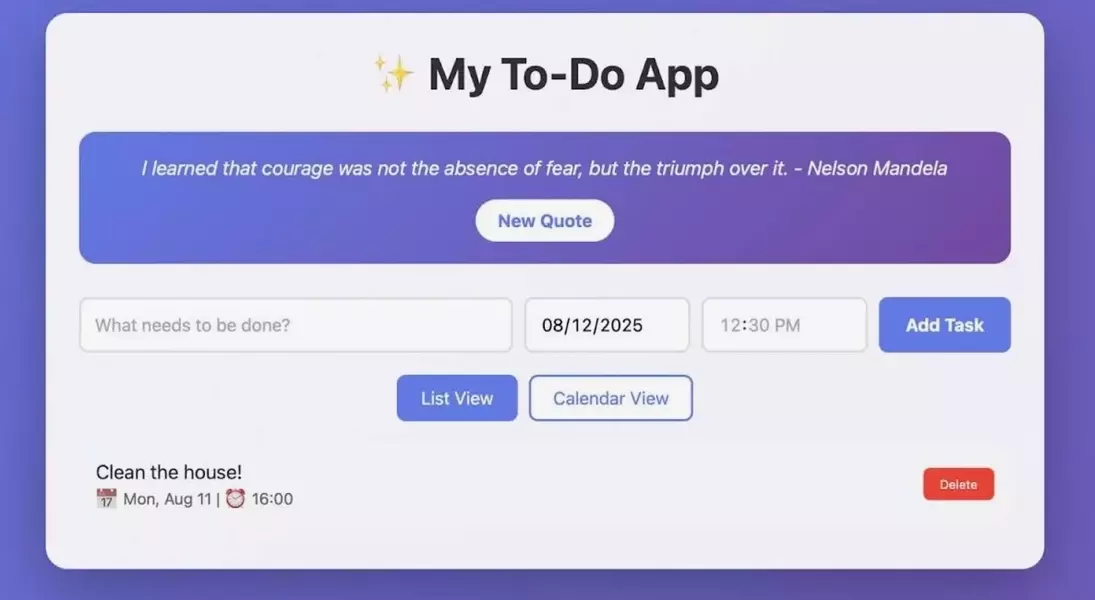
To rigorously assess the capabilities of these AI services in generating code, a structured testing methodology was employed. Each platform was tasked with developing three distinct types of applications: a web-based game, a web-based productivity service, and an iOS mobile application. The prompts provided to each AI model were identical, ensuring a consistent baseline for comparison. The game brief stipulated a 2D browser-based spaceship game with arrow key controls for movement, spacebar for lasers, random asteroid generation, score tracking, and game-over conditions upon collision. For the productivity application, the requirement was a web-based to-do list with features for adding items, viewing them as a list or calendar, specifying completion times, and integrating a random inspirational quote generator. Finally, the iOS app challenge involved creating a comprehensive fitness goal tracker allowing users to log workouts, view progress charts, and manage entries with options for adding, editing, deleting, and filtering by date or workout type. These diverse challenges were designed to test the AI's ability to handle various programming paradigms, from physics simulation in games to data management and API integration in productivity tools. The evaluation focused primarily on the final product's adherence to the given prompts, recognizing that the efficiency of the underlying code was not the main concern for a beginner-focused assessment.
Crafting Digital Worlds: Performance in Web-Based Game Development
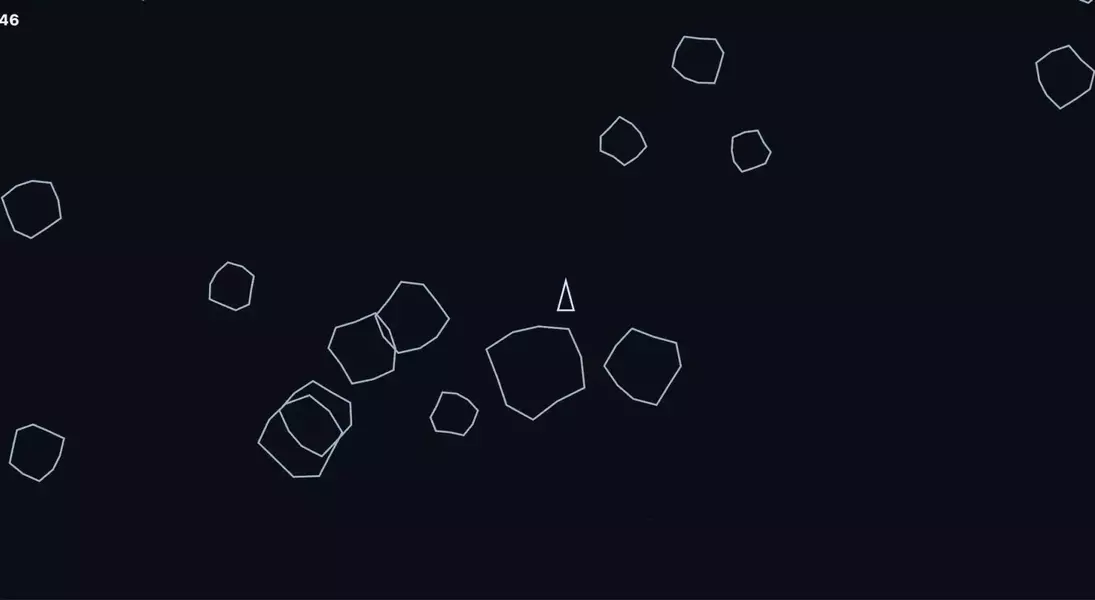
In the realm of web-based game creation, all three AI services successfully produced functional games, albeit with distinct characteristics. ChatGPT and Grok delivered games featuring asteroids approaching from multiple directions and a rotatable spaceship, offering a more dynamic play experience. Claude, in contrast, opted for a design reminiscent of "Space Invaders," with asteroids descending solely from the top and a fixed upward-facing ship. Visually, Claude's output stood out with its vibrant, retro color palette, star-filled background, and a captivating movement trail behind the user's ship, making it aesthetically superior. ChatGPT secured a close second, presenting a minimalist yet appealing design that emphasized explosions, despite lacking background details or elaborate motion effects. Grok's game, regrettably, fell short in both design and gameplay, appearing bland with its uninspired gray circular asteroids and less engaging mechanics. Ultimately, while Claude excelled in visual appeal, ChatGPT demonstrated superior functionality in the game domain, leading to a dual recognition for their strengths.
Streamlining Daily Tasks: A Look at Web-Based Productivity App Creation
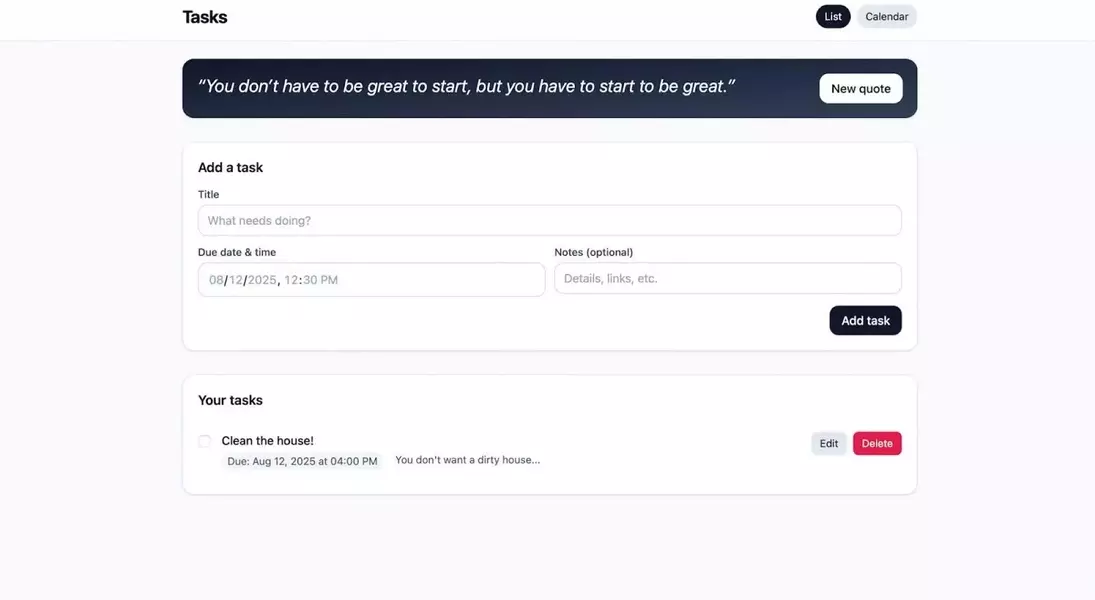
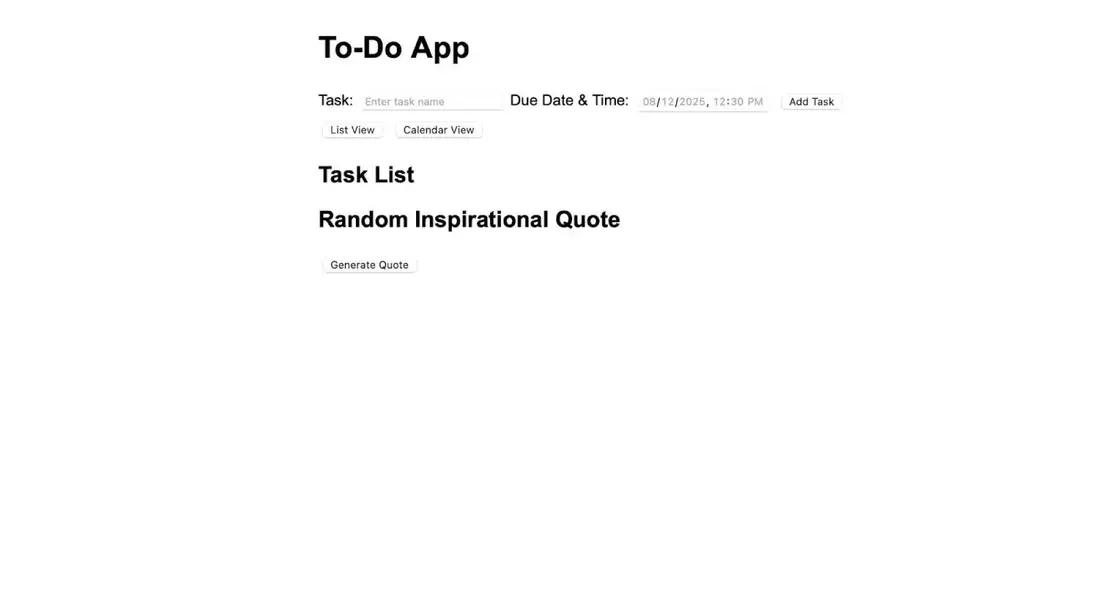
The development of web-based productivity applications saw all three AI services successfully implement core functionalities such as task management, calendar viewing, and inspirational quote generation. The foundational interface across all platforms was remarkably similar, typically defaulting to a list view with fields for task entry and options for date and time selection. However, significant variations emerged in the applications' visual presentation. Grok's offering was the most rudimentary, resembling a simple word processing document with basic input fields and buttons. ChatGPT presented a considerable aesthetic improvement, though it refrained from the flamboyant design seen in Claude's version. ChatGPT differentiated its inspirational quotes with distinct background colors, while Claude infused the entire interface with a unique color scheme and incorporated emojis to highlight time and date information. Functionally, the differences were even more pronounced. Grok's app suffered from a critical flaw: the inability to remove or mark tasks as complete, rendering it largely impractical. Claude provided a "delete" button for tasks in list view and a deletion prompt when tasks were selected from the calendar. ChatGPT, however, emerged as the clear leader in functionality, offering comprehensive features including a checkbox for task completion, a dedicated delete button, an edit option, and a "Notes" field for each task. This robust set of features made ChatGPT's productivity app the most usable and versatile, despite its less flashy visual design.
Venturing into Mobile: Challenges and Triumphs in iOS App Development
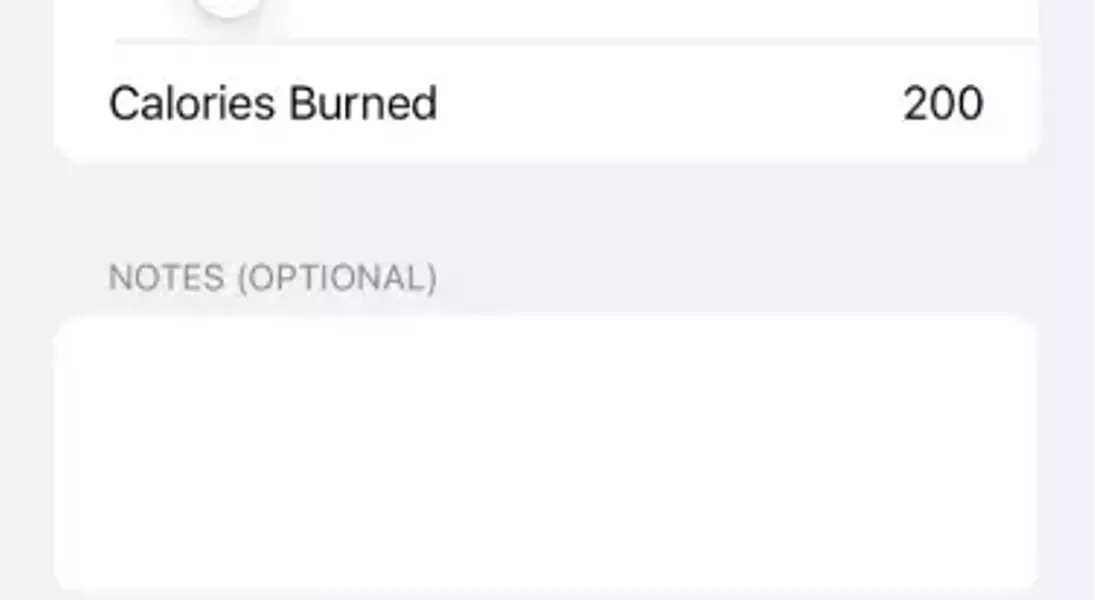
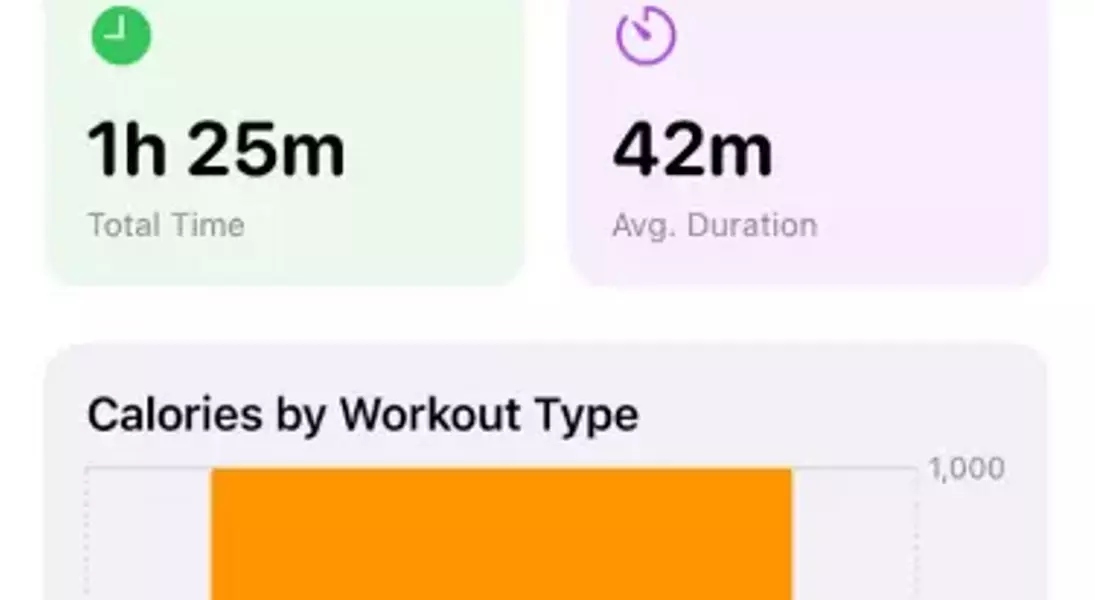
The challenge of developing an iOS application presented a more formidable hurdle for the AI services. Only Claude managed to generate a fully functional iOS app that could be successfully executed within Apple's Xcode development environment. Both ChatGPT and Grok produced applications that encountered errors and failed to run, highlighting a significant limitation in their current mobile development capabilities. While Claude's app ran smoothly, its feature set was somewhat limited. It allowed users to log workouts and view them in a list, with filtering options based on workout type and logging time. However, it did not automatically calculate calories burned, requiring manual input from the user. Furthermore, its "progress" chart was merely a bar graph depicting calories burned per workout type, lacking any functionality for setting or tracking personal fitness goals. It's also important to note that deploying an AI-generated app to an iPhone outside of the official App Store requires navigating a complex process that may be daunting for beginners. Consequently, for those new to coding, web-based AI coding solutions currently offer a more accessible entry point than direct mobile app development. Despite its functional shortcomings, Claude's ability to produce a runnable iOS application distinguished it as the sole performer in this demanding category.
The Current Landscape of AI-Driven Coding: Bridging the Gap Between Vision and Reality
The current landscape of AI-driven coding, or "vibe coding," reveals two undeniable truths: AI services are making significant strides in empowering non-programmers and beginners to create applications, services, and games. However, the vision of effortlessly generating flawless, fully functional software from simple verbal commands has not yet been fully realized, though the progress suggests this future is not far off. Developing mobile applications, especially for platforms like iOS or Android, presents a greater challenge than web applications. The process often involves troubleshooting and a basic understanding of development environments, making it less suitable for absolute beginners who are unwilling to engage with these complexities. Therefore, for those just starting out and seeking to experiment with web applications or simple games, both ChatGPT and Claude demonstrate considerable promise. ChatGPT, being freely available and imposing fewer limitations than Claude Opus 4.1 for subscribers, often outperforms its rivals in overall functionality, excluding the mobile app development segment. While Grok may produce basic and less visually engaging websites that occasionally deviate from the initial prompts, it still offers a viable option for simple web development. It is evident that platforms like xAI still have considerable ground to cover to match the sophistication and utility of their leading competitors in the evolving field of AI-assisted software creation.
