The digital landscape is undergoing a significant transformation as social media platforms shift their focus from ephemeral, short-form content to more substantive, long-form entertainment. This evolution, dubbed "Creator TV," is a response to growing user weariness with superficial content and a desire for deeper, more meaningful engagement. Major platforms like Instagram, TikTok, and YouTube are rolling out new features and incentives to support creators in developing serialized, genre-spanning programming, effectively blurring the lines between social media and traditional broadcasting. This paradigm shift presents a unique opportunity for brands to rethink their marketing approaches, moving from interruptive advertising to becoming integral parts of engaging narratives that foster genuine audience loyalty and cultural resonance.
Details of the Emerging Digital Entertainment Landscape
In recent weeks, Instagram, a prominent social media giant, unveiled its new "Features" initiative, permitting creators to upload horizontal videos stretching up to 90 minutes. This development is not merely a minor tweak but a significant move towards embracing long-form content, a stark contrast to the platform's earlier emphasis on short, quick interactions. Concurrently, other platforms are also adapting: TikTok is now incentivizing longer videos, and YouTube has introduced "Stations" for continuous, extended programming. Even viewing habits are evolving, with Instagram becoming compatible with smart TVs, mirroring YouTube's success where a substantial portion of its content is now consumed on television screens, particularly in regions like the UK.
This strategic pivot is largely influenced by a discernible shift in user behavior. Many users are experiencing "scrolling exhaustion" and a diminishing tolerance for repetitive, unfulfilling content like "get-ready-with-me" videos or fleeting dance routines. Research indicates that over half of Americans feel that maintaining an active social media presence has become akin to work. Audiences are seeking more depth, richer narratives, and a chance to rebuild their attention spans, creating a fertile ground for creators and brands to deliver more sophisticated entertainment experiences. Max Cocking and Louby Mcloughlin, co-founders of Dislo, a digital content agency collaborating with luxury brands like Ferragamo and Fendi, highlight this demand for "mindful and thoughtful consumption." They emphasize that while engagement can be bought, true resonance is cultivated through sustained storytelling and authentic relationships, advocating for brands to invest in "series, not posts."
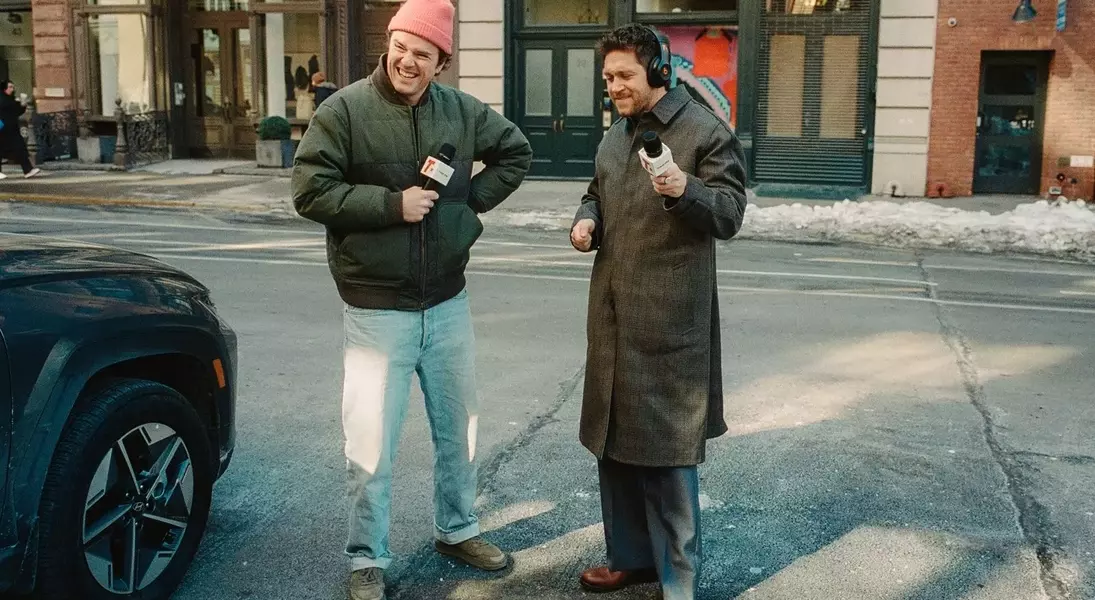
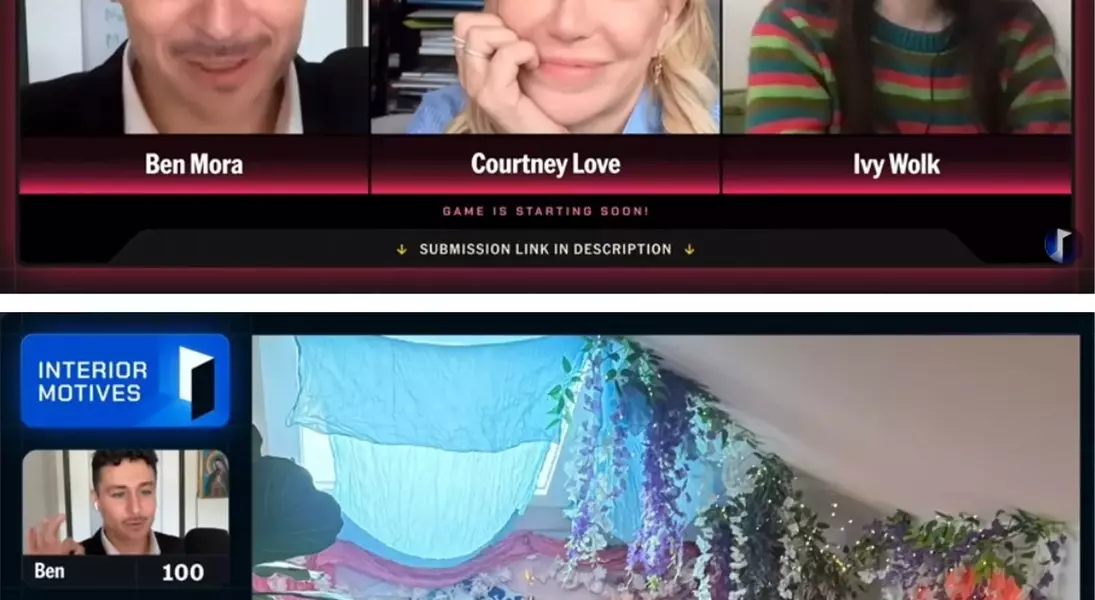
The creative community is already at the forefront of this movement, with ambitious individuals transitioning into legitimate "internet show" producers. Examples abound, from Noah Blau's "Errands," a docu-series elevating everyday life, to Jack Coyne's music interview show "Track Star," featuring celebrity guests such as Niall Horan. Comedian Kareem Rahma's "Subway Takes" provides a platform for 'unpopular opinions,' while "Revival of the Fittest" offers a meditative look at record store culture. Brands are keenly observing and integrating with these emerging formats. Dating app Feeld, for instance, sponsors episodes of "Interior Motives," a show critiquing bedroom decor from a queer perspective. Chelsie Hares, a trends intelligence researcher at Stylus, notes that this creator-led entertainment marries the relatability of social media figures with engaging storytelling, offering a higher caliber of content that transcends the mundane scroll.
Fashion trend analyst J'Nae Phillips observes that the distinction between a 'creator' and an 'entertainment producer' is rapidly dissolving. Forward-thinking creators are building expansive franchises and production ecosystems rather than merely generating interchangeable content. This evolution provides a crucial blueprint for brands to move beyond interrupting entertainment to actively creating it. Platforms are striving to retain this burgeoning activity within their ecosystems, recognizing that consumers, particularly Gen Z, discover new entertainment primarily through social media. However, many still leave these platforms to consume content fully, prompting platforms to aspire to be ultimate entertainment destinations rather than just discovery funnels.
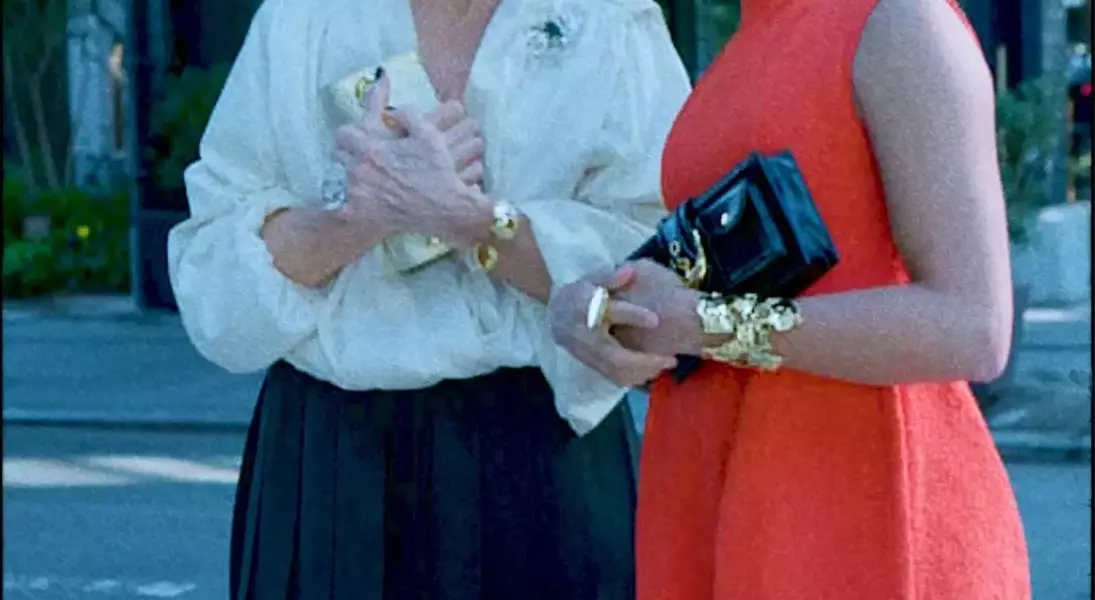
This shift heralds a refresh in consumer-brand relationships. A significant percentage of young adults in North America express a preference for brands producing original films or content series over traditional advertising. Brands are now encouraged to embrace the role of cultural arbiters, focusing on building formats and franchises that generate cultural equity over time, allowing the 'hard sell' to recede. Lucinda Bounsall, founder of Sibling Studio, stresses that brand meaningfulness comes from creating recognizable and return-worthy content. This environment is particularly fertile for fashion marketing, where brands like Crocs, Marc Jacobs, and Banana Republic are already excelling in branded microdramas. Jewelry designer Alexis Bittar has pioneered this with "Bittarverse," a mockumentary series that uses fictional narratives to engage viewers, eschewing traditional marketing for a more inclusive and complex brand ethos that fosters loyalty.
The future of marketing will see a diversification of options, with short-form content serving as trailers or entry points into richer, longer-form experiences. The emphasis will be on compelling ideas and talent rather than hyper-polished productions, as authenticity resonates more deeply with audiences. This evolving landscape beckons a new continuum where creators increasingly own their franchises, supported by brands as backers rather than mere advertisers. Upcoming platform updates will further encourage serialized storytelling, unlocking immense e-commerce and promotional potential. As influencer marketing's traditional effectiveness wanes, it is paramount for brands to engage with the recalibrating creator community, fostering a new generation of creative talent in comedy, writing, and entertainment, much like fashion has historically nurtured artists and designers.
A Transformative Era for Digital Content and Brand Engagement
This seismic shift in the digital content sphere signifies more than just a passing trend; it represents a fundamental re-evaluation of how audiences consume media and interact with brands. For journalists, this means a renewed focus on in-depth analysis of emerging content strategies, examining the symbiotic relationship between creators, platforms, and brands. The era of "Creator TV" underscores the power of authentic storytelling and community building, offering a refreshing departure from the often-superficial interactions of early social media. It challenges us to consider how long-form narratives can cultivate deeper connections and enduring loyalty in an increasingly fragmented digital world. This evolution offers a compelling lesson: true engagement stems from substance and shared cultural experiences, reminding all stakeholders in the media ecosystem of the enduring value of meaningful content.
