




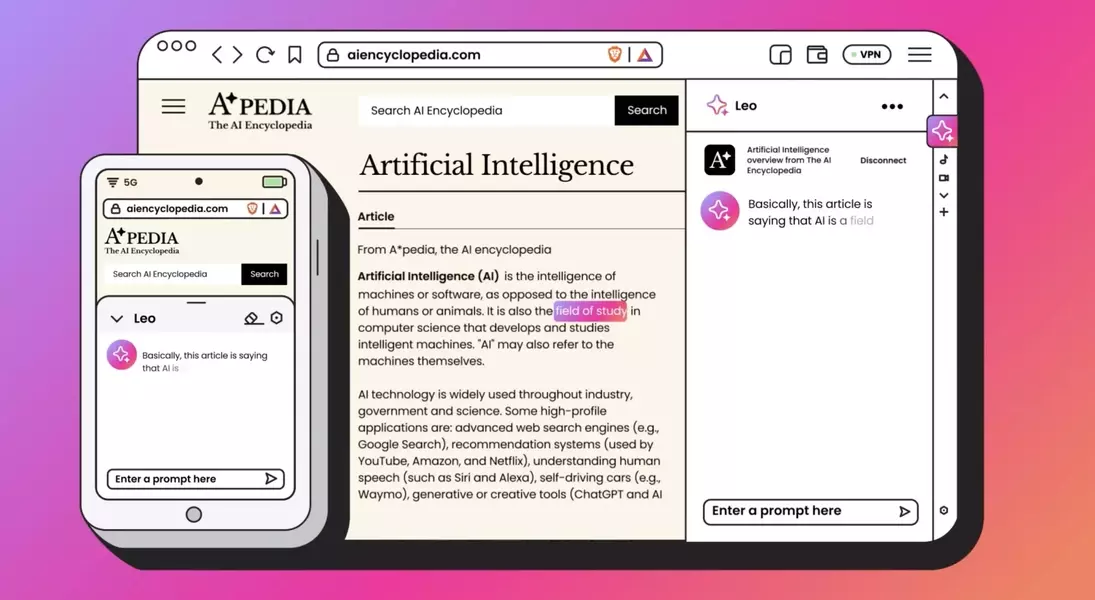
The digital realm is witnessing a significant shift as artificial intelligence permeates the core of web browsing. This new wave of AI-driven browsers promises to revolutionize our online interactions, transforming them from mere content consumption to highly personalized and proactive experiences. Major technology players are strategically positioning themselves to lead this emerging market, recognizing that the browser, much like the search engine before it, is a pivotal gateway to information and interaction. The ultimate goal is to offer users a more sophisticated and intuitive digital environment, where the browser anticipates needs and assists with complex tasks.
These next-generation browsers are designed to be more than just tools for displaying web pages; they aspire to be intelligent assistants capable of executing multi-faceted tasks. Imagine a browser that can manage your travel itineraries, draft emails, or even schedule your appointments, all through advanced AI models. Several companies are already at the forefront of this innovation, each offering unique features and approaches. For instance, Dia from The Browser Company offers a robust AI chatbot within its sidebar, capable of summarizing lengthy texts and assisting with writing. Perplexity Comet, while lauded for its advanced capabilities in research and automation, openly emphasizes data collection for personalization, raising important discussions about user privacy. Opera’s Neon and Aria browsers integrate AI for varied levels of autonomy, from intelligent text summarization to automated tab organization. Microsoft Edge's Copilot Mode is an experimental feature that offers contextual awareness and conversational AI, with plans for more proactive functionalities. Brave Leo AI and DuckDuckGo's Duck.ai, on the other hand, prioritize user privacy, employing anonymization techniques while still delivering AI-enhanced browsing experiences, though with certain limitations or subscription models.
The emergence of AI-powered browsers marks a critical juncture in the evolution of internet technology, pushing the boundaries of what a browser can do. This transformation, driven by relentless innovation and competition, holds the promise of a more efficient, personalized, and intelligent online world. As these technologies mature, it is imperative for both developers and users to consider the ethical implications, particularly regarding data privacy and user control. Embracing these advancements responsibly will allow us to harness the full potential of AI for a future where technology truly empowers and enhances human endeavors, fostering a digital landscape that is not only smart but also secure and respectful of individual rights.
