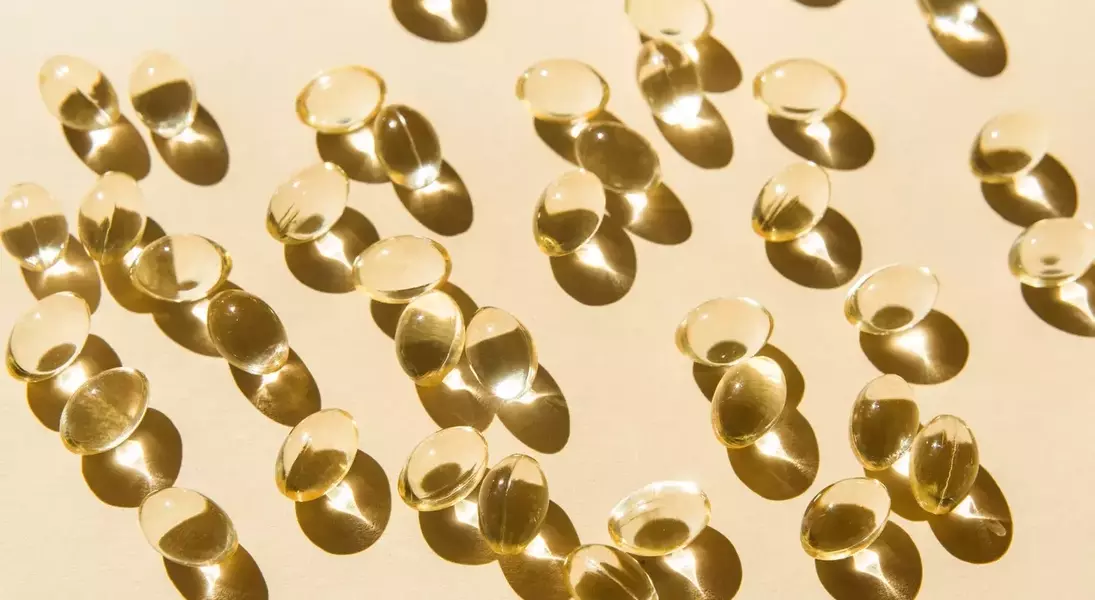
Understanding vitamin D's function and recommended intake is crucial for maintaining overall health. This fat-soluble vitamin plays a pivotal role in numerous bodily processes, including calcium absorption for strong bones, proper muscle and nerve function, cardiovascular health, and immune system support. Deficiency can arise from factors like aging, neurological conditions, malabsorption, and kidney or liver diseases. While sun exposure is a natural source of vitamin D, factors such as pollution, sunscreen, skin pigmentation, and geographical location can affect its production. Therefore, many individuals turn to supplements, especially during colder months, to ensure adequate levels.
It is important to adhere to recommended daily allowances for vitamin D, which vary by age, typically ranging from 25 mcg (1,000 IU) for newborns to 100 mcg (4,000 IU) for adults, encompassing all sources from diet to supplements. While moderate sun exposure without sunscreen for short durations can stimulate sufficient vitamin D synthesis, excessive sunlight carries other risks like sunburn and skin cancer. Beyond sunlight and supplements, dietary sources like egg yolks, UV-exposed mushrooms, and fatty fish such as salmon and tuna also provide this vital nutrient, alongside fortified foods like milk and cereals.
The potential for vitamin D toxicity, even death, from excessive intake highlights the importance of cautious supplementation. This often occurs when individuals, particularly those with pre-existing deficiencies, take doses far exceeding recommendations, either through supplements alone or in combination with fortified foods. Unlike water-soluble vitamins, vitamin D accumulates in the body due to its fat-soluble nature, leading to conditions like hypercalcemia (high blood calcium levels) over time. Symptoms of toxicity include nausea, vomiting, muscle weakness, confusion, and kidney issues, and can progress to kidney failure or irregular heartbeats if left untreated. Natural vitamin D production from sun exposure does not lead to toxicity, as the body self-regulates its synthesis. It is always best to consult a healthcare professional for blood tests to determine appropriate vitamin D levels and supplementation needs, prioritizing a balanced approach through diet and safe sun exposure.
Embracing a holistic view of health, where nutrients are acquired primarily from natural sources and expert guidance is sought for supplementation, paves the way for a vibrant life. Just as nature provides abundant sunlight for our well-being, nutritious foods offer a symphony of vitamins and minerals essential for our bodies to thrive. Let us strive for balance, wisdom, and proactive self-care, fostering a future where well-being is within everyone's reach through informed choices and responsible practices.
