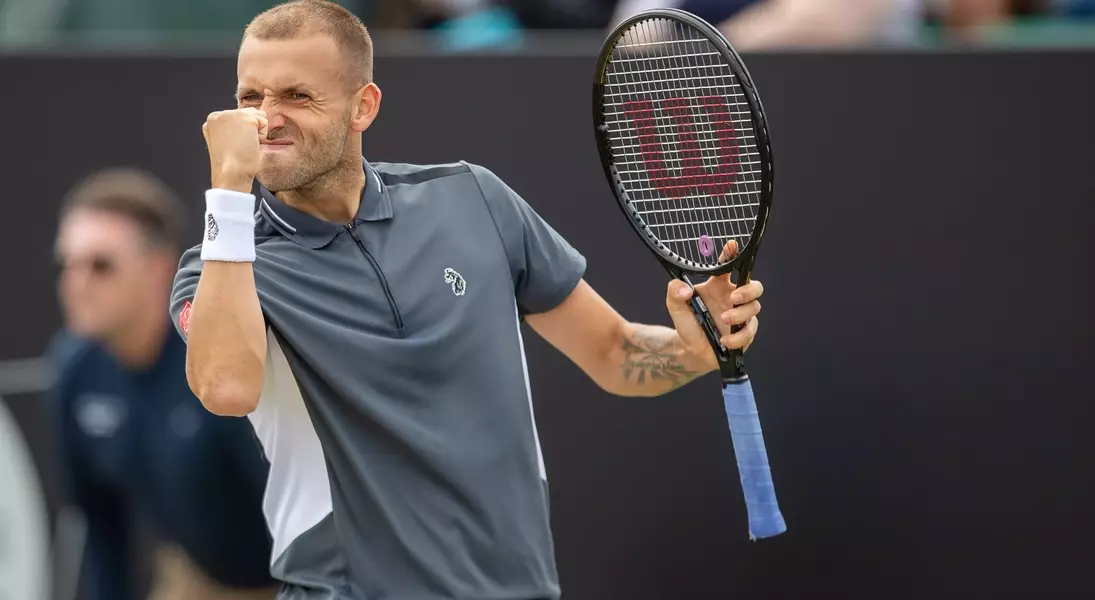
British tennis professional Dan Evans recently voiced his frustration regarding the growing trend of athletes attributing their losses or physical setbacks to demanding schedules and exhaustion. His candid remarks highlight a broader discussion within the tennis community concerning player well-being versus the inherent rigors of elite competition. This perspective comes amidst a period where prominent figures, including top-ranked players, have publicly addressed the challenges posed by the sport's calendar, suggesting a potential link between an intense schedule and increased injury risks.
Evans's critique, conveyed to a major English media outlet, was unequivocal: he is thoroughly tired of hearing such justifications. He firmly believes that when defeated, an athlete's primary response should be to commend their adversary's performance, rather than seeking solace in external factors like weariness. He contends that physical ailments are an intrinsic aspect of being a professional tennis player, and the responsibility lies with individuals to manage their recovery and breaks as needed. According to Evans, fatigue should not serve as an alibi for underperformance; a loss is simply a loss, and that reality must be confronted directly.
Reflecting on his own career, Evans shared a personal anecdote from a previous Wimbledon tournament where he participated despite being injured, resulting in a straight-sets defeat. He conceded that rushing his return to play was not a wise decision in hindsight, acknowledging that his past actions might seem contradictory to his current stance on excuses. Nevertheless, he maintains that such experiences underscore the importance of personal accountability and resilience. His current robust physical condition brings him a sense of relief, especially when considering the demanding and sometimes unpredictable nature of the courts he faces.
This discussion initiated by Dan Evans serves as a potent reminder of the importance of resilience and integrity in competitive sports. While acknowledging the physical demands on athletes, his call for greater personal accountability and a focus on sportsmanship resonates deeply. It encourages not only players, but all individuals, to embrace challenges head-on, accept outcomes with grace, and learn from every experience. This mindset cultivates a stronger, more honorable environment where genuine effort and respect for the game and its participants remain paramount.
