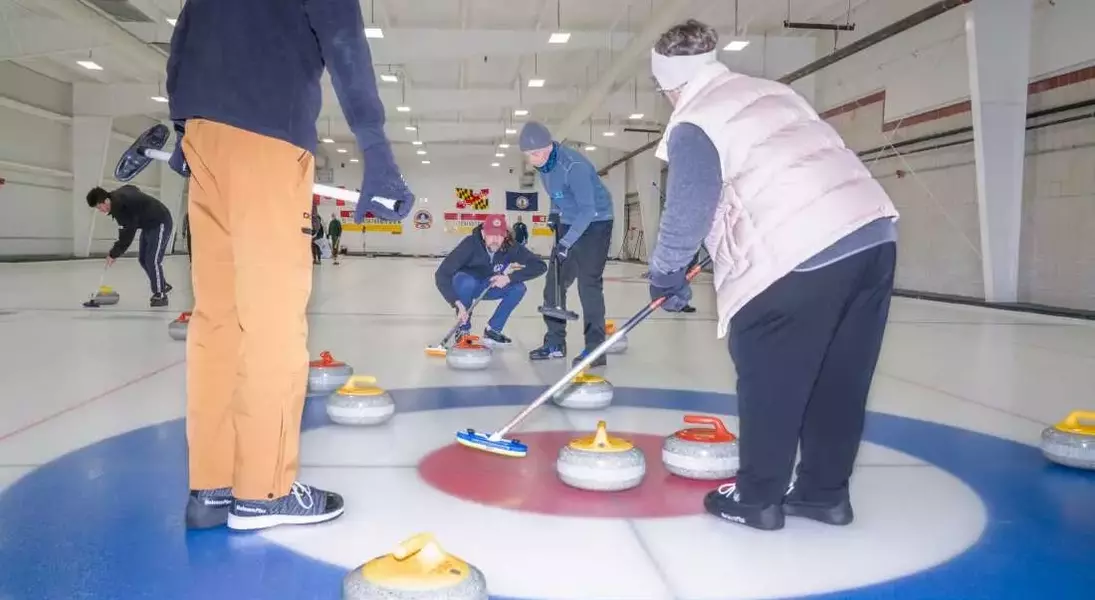
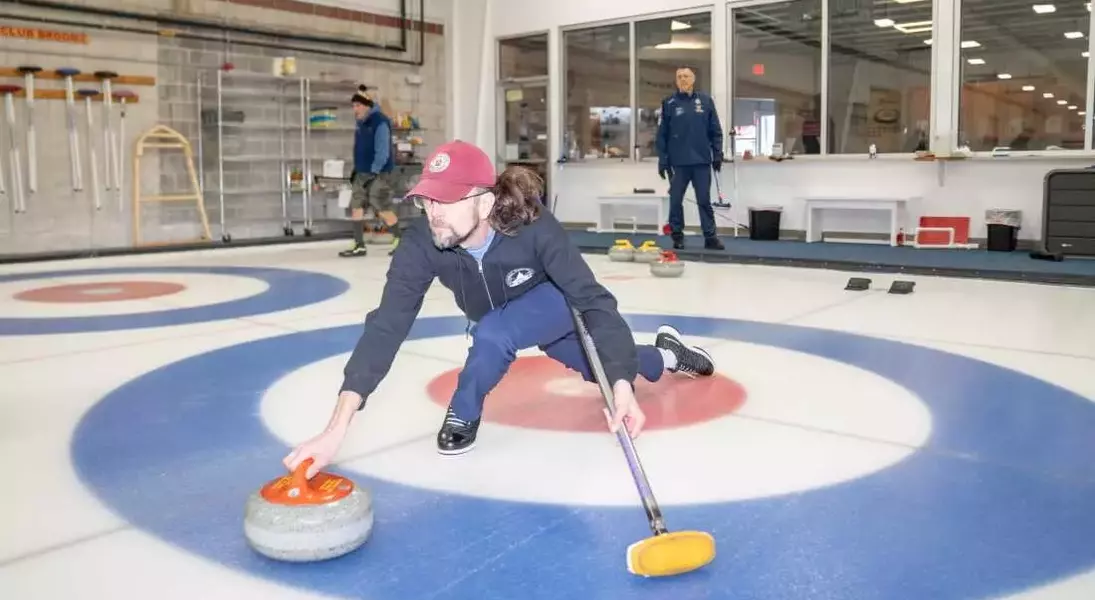
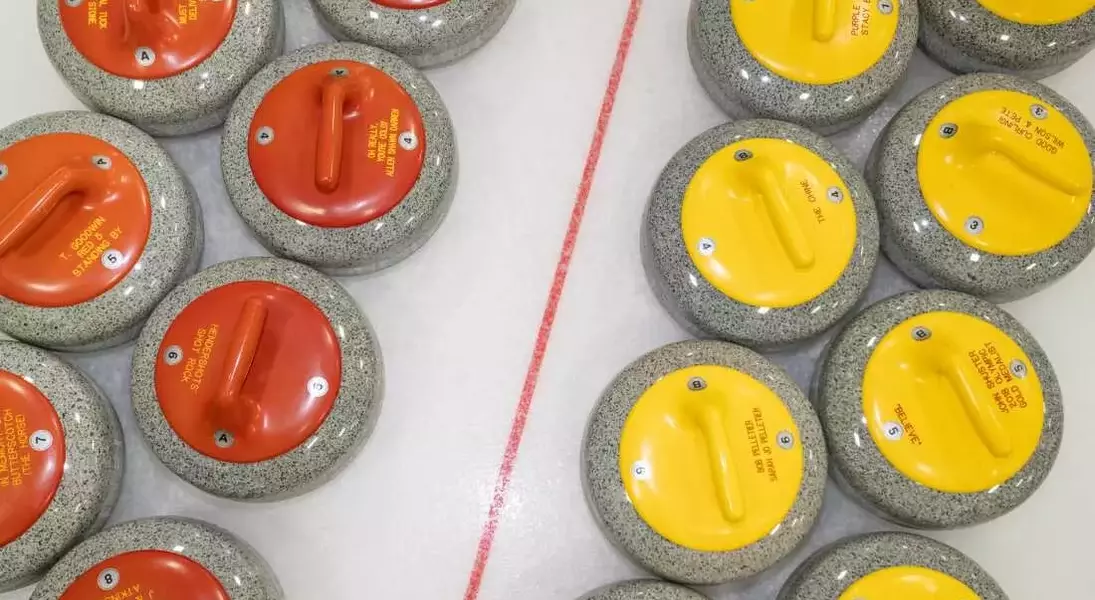
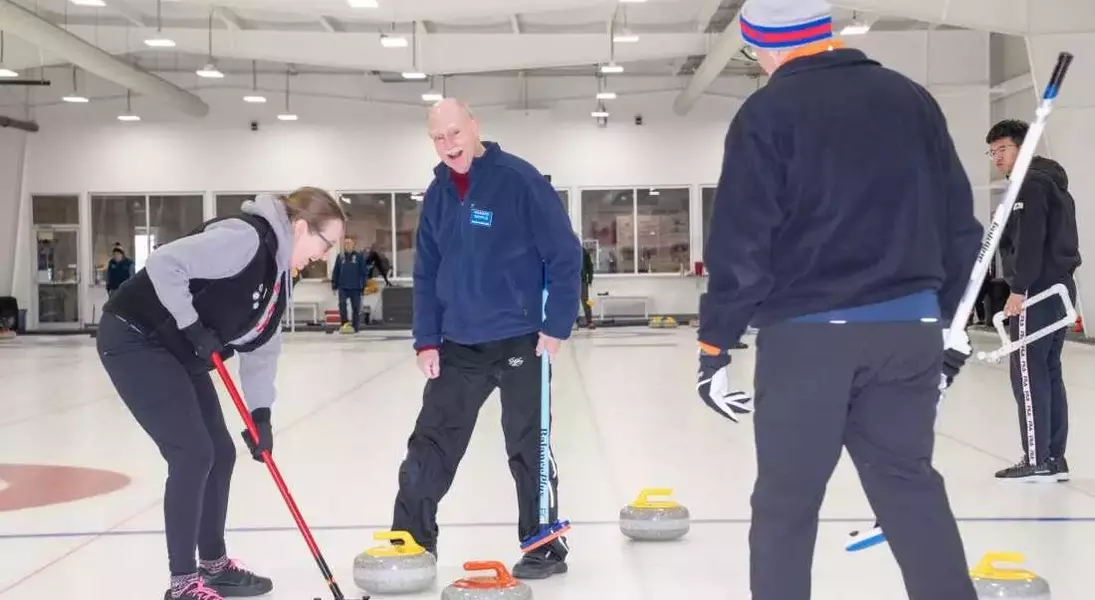
The Winter Olympics and Paralympics have once again thrust curling into the global spotlight, sparking an unprecedented surge of interest and participation in the sport across the United States. This phenomenon, which occurs every four years, appears to be more significant this time, driven by compelling television coverage and the increasing accessibility of curling clubs. As the sport gains new devotees, it faces both opportunities and challenges in sustaining this momentum and expanding its footprint in American sports culture.
From Global Stage to Local Rinks: The Curling Explosion
An Olympic Pilgrimage for a Curling Enthusiast
Stacy Bishop, a dedicated curling aficionado and media director for the Potomac Curling Club in Maryland, undertook an eagerly anticipated journey to Italy with her family to witness the Winter Olympics. Her travel plans revolved entirely around experiencing the thrill of professional curling live, bringing along humorous, insider-joke signs that only fellow curlers would appreciate, alongside her six-year-old son's enthusiastic "sweep" flag.
Curling Dominates Olympic Airwaves and Inspires Newcomers
During the 2026 Milan-Cortina Winter Olympics, curling remarkably received daily coverage, distinguishing itself as the most-watched sport on NBC's broadcast, a fact highlighted by USA Curling. This extensive exposure continues with wheelchair curling at the Paralympics, captivating audiences and inspiring a wave of new participants back in the United States.
The Quadrennial Ripple Effect: A Boost for Curling Clubs
The Winter Olympics consistently generate a significant upswing in curling's popularity, a pattern well-documented by enthusiasts like Stacy Bishop, who herself discovered the sport during an Olympic season 16 years ago. This recurring interest translates into a noticeable increase in attendance at 'learn-to-curl' events and open houses hosted by clubs affiliated with USA Curling, the sport's national governing body.
Unprecedented Growth: Membership Soars and Demographics Shift
Dean Gemmell, CEO of USA Curling, notes that the current post-Olympic surge in interest is particularly impactful, attributing it to the strong performances of American teams and the substantial broadcast time dedicated to curling. This has led to a significant increase in membership, with numerous clubs welcoming over a hundred new curlers, notably a growing demographic of 21 to 40-year-olds now comprising 38% of USA Curling's total membership of approximately 20,000.
The Vital Role of New Talent in Club Vibrancy
Elizabeth Tigner, a curler at the Potomac Club, expresses enthusiasm for the influx of younger individuals committing to the sport. She believes that new members infuse vitality and fresh perspectives into clubs, emphasizing that teaching newcomers is one of the most effective ways for experienced players to refine their own skills and deepen their understanding of the game.
Small Clubs Thrive on Olympic Momentum
For smaller curling clubs, particularly those in less densely populated regions, the enthusiasm ignited by the Olympics is vital for their survival and growth. Michael Ehrlich, president of the Chesapeake Curling Club in Easton, Maryland, reported an attendance of over 300 individuals this year, a remarkable figure that enables the club to consider extending its operational season beyond its usual mid-November to mid-March schedule.
From Spectator to Participant: The Lasting Olympic Influence
The Olympic Games have undeniably propelled the Chesapeake Curling Club closer to its expansion goals, fostering a more robust and engaged community. This sentiment is echoed by curler Yana Willey, who recounts how watching this year's Olympics finally motivated her boyfriend, a long-time hesitant observer, to fully commit to the sport, purchasing equipment and eagerly joining the club.
Shaping the Future: A Turning Point for American Curling
Dean Gemmell of USA Curling views the exceptional boost in interest following the 2026 Olympics as a pivotal moment, possessing the potential to fundamentally reshape the sport's trajectory and future development within the United States. This surge could lead to sustained growth, increased investment, and a broader embrace of curling across the nation.
