The landscape of cinematic universes is ever-evolving, with intellectual properties frequently revisiting their origins or expanding into new iterations. This article delves into the recent announcement of a new "Westworld" film, examining its implications for the previously acclaimed HBO series and the broader future of the franchise. It explores the journey of the television adaptation, from its peak as a cultural phenomenon to its eventual cancellation, and the creators' persistent desire to complete their vision.
"Westworld": The End of One Loop, The Dawn of Another
A Cinematic Revival: The Original "Westworld" Film Gets a Modern Take
Warner Bros. has officially confirmed its plans to reboot Michael Crichton's seminal 1973 film, "Westworld." The screenplay will be crafted by David Koepp, known for his work on "Jurassic Park" and its subsequent installments. This development has generated considerable buzz among dedicated fans of the franchise, despite the absence of Steven Spielberg from the directorial helm. However, this new undertaking prompts an immediate query: What does this signify for the acclaimed HBO series that captivated audiences just a few years prior?
The Rise and Fall of the HBO Series: From Emmy Darling to Streaming Exile
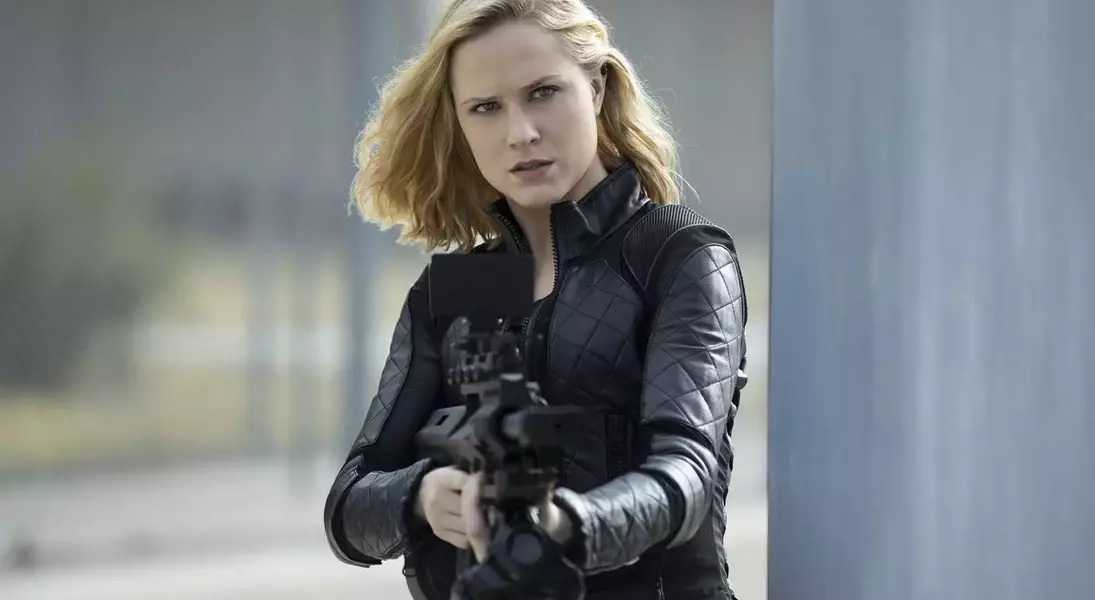
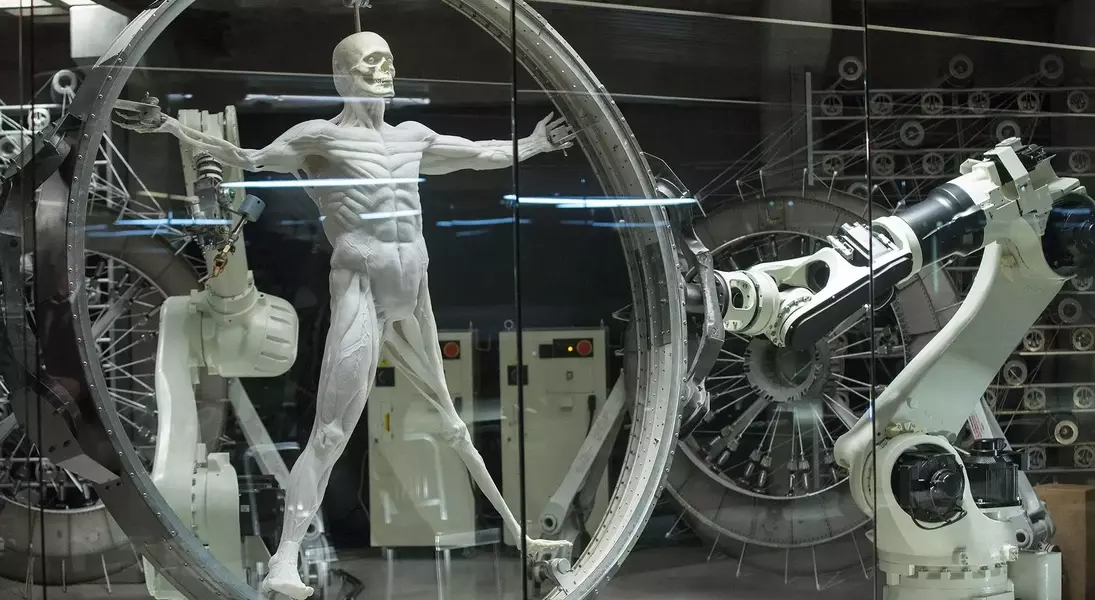
The 2016 HBO adaptation of "Westworld," spearheaded by Jonathan Nolan and Lisa Joy, initially achieved immense success. Its inaugural season garnered widespread critical acclaim, earning 22 Emmy nominations and being lauded for its cinematic quality. Building upon Crichton's futuristic amusement park concept, Nolan and Joy delved into profound themes of identity, consciousness, free will, and the ethical dilemmas surrounding artificial intelligence, well before these discussions became commonplace with technologies like ChatGPT. Despite its early promise as HBO's potential successor to "Game of Thrones," "Westworld" gradually lost its audience. By the conclusion of its fourth season in 2022, viewership had reportedly plummeted by approximately 81% compared to its debut, according to Nielsen ratings.
Unraveling the Narrative: Why Audiences Drifted Away
The diminishing viewership wasn't entirely unforeseen by those who closely followed the series. The first season captivated audiences with its enigmatic storytelling and philosophical science fiction, introducing the mysterious corporate entity Delos, its enigmatic founders, and the increasingly tense dynamic between humanity and the park's artificial "hosts." However, the second season faced criticism for its convoluted timeline and intricate narrative structure. The third season departed entirely from the western setting, transitioning to a sleek, cyberpunk future dominated by surveillance and algorithmic control. By the fourth season, "Westworld" attempted to blend these disparate identities within a dystopian future ruled by autonomous robots, but by then, a significant portion of its audience had already disengaged. Figuratively speaking, the hosts had long since departed the park, both within the show's narrative and in the real world of its viewers.
The Unceremonious Exit: Cancellation and Digital Erasure
Just a few months after the finale of its fourth season, HBO formally announced the cancellation of "Westworld." The series' removal from public access didn't stop there. In December 2022, Warner Bros. Discovery took the series off HBO Max, only four months after its final episode aired, subsequently shifting it to advertising-supported platforms such as Tubi and the Roku Channel. This decision conveyed a strong message that Warner Bros. was not merely canceling "Westworld" but effectively consigning it to obscurity.
A Lingering Hope: The Creators' Unfinished Vision
While the cancellation and removal might signify a definitive end for most shows, "Westworld" held a unique position as one of HBO's flagship productions in the 2010s. In an era where many legacy HBO properties are being revived or expanded through spin-offs—like the "Deadwood" film and "The Many Saints of Newark," a prequel to "The Sopranos"—the possibility of Nolan and Joy returning to conclude their narrative has never entirely faded. In anticipation of the "Fallout" premiere, Nolan explicitly told The Hollywood Reporter that he still intends to complete "Westworld" as originally planned, stating, "Yes, 100%. We're completionists." He further elaborated, "It took me eight years and a change of director to get 'Interstellar' made. We'd like to finish the story we started." However, with the series canceled four years ago, its episodes still unavailable on Max, and an entirely new "Westworld" movie now in development, these aspirations seem less promising than they once did.
The Ironic Revival: A Franchise's Enduring Appeal Amidst Its Own Destruction
The irony of the situation is not lost on devoted "Westworld" enthusiasts. Despite Warner Bros.' numerous attempts to diminish the presence of the 2016 series, the company clearly still recognizes the inherent value within the franchise, a value that largely stems from the television adaptation itself. It appears that even Warner Bros. is not fully capable of permanently closing down the park. On one hand, the forthcoming film might definitively confirm that the 2016 series will never receive the conclusion its creators envisioned. On the other hand, this revival underscores the studio's continued willingness to invest in the "Westworld" universe.
The Inevitable Loop: A Series Trapped in Its Own Narrative
One can only speculate whether Nolan and Joy will ever have the opportunity to complete the narrative they initiated. However, for a series deeply rooted in themes of cyclical patterns and repetition, it's possible that "Westworld" was always destined to remain ensnared within its own recurring loops.
