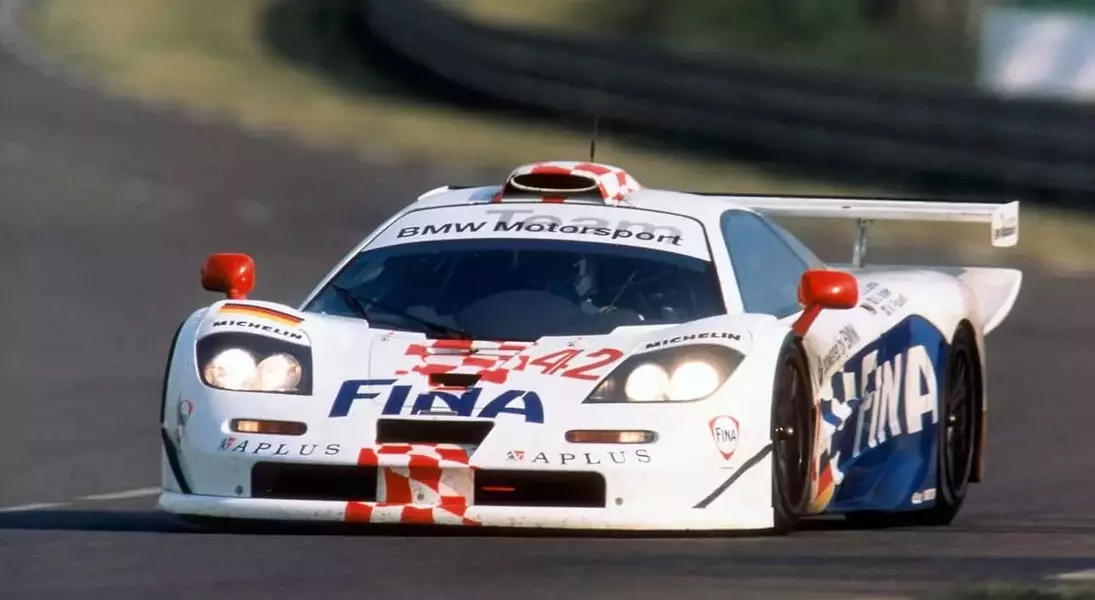
The McLaren F1 GTR, specifically chassis 17R, a highly prized vehicle within BMW's USA Classics Collection, experienced an unexpected incident when its shift knob was stolen at a public event several years ago. This event not only underscores the challenges associated with safeguarding such high-value automotive artifacts but also sheds light on the substantial financial and logistical demands of maintaining a vehicle of this caliber. Despite its museum-piece status, the car is occasionally taken to racetracks, reaffirming its functional legacy. The theft revealed the vulnerability of even the most carefully managed exhibits and the intricate, costly process of sourcing and replacing specialized components for a car with a racing pedigree and an estimated value of $20 million.
Maintaining a vehicle of the McLaren F1 GTR's stature requires meticulous and costly efforts, extending beyond mere display. The incident involving the stolen shift knob highlights the constant vigilance needed for such a valuable asset, even when it is part of a professionally curated collection. This event also brought to attention the significant expenses involved in the upkeep of such a rare machine, from routine service to replacing unique components. The ongoing commitment to preserving the F1 GTR ensures that its legacy, both on and off the track, continues to inspire automotive enthusiasts and serves as a testament to its enduring design and engineering prowess.
The Infamous Shift Knob Incident and its Ramifications
The theft of the shift knob from the McLaren F1 GTR chassis 17R, a crown jewel in BMW's USA Classics Collection, was an unforeseen event that brought considerable attention to the car's security and the unique challenges of its preservation. While the car frequently appears at prestigious events like the Amelia Island Concours and Pebble Beach, allowing the public to admire its historical significance, this incident revealed a lapse in security protocols that resulted in the removal of a critical interior component. The former head of BMW Group Classic USA, Tom Plucinsky, confirmed that the theft occurred at a show, underscoring the vulnerability of even carefully monitored exhibits to determined individuals. This event not only caused a considerable inconvenience but also highlighted the immense value placed on every detail of such a legendary automobile, where even a seemingly minor part can carry significant historical and financial weight. The episode served as a stark reminder that iconic vehicles require constant vigilance, balancing accessibility for public appreciation with robust security measures to prevent such acts of theft.
The financial implications of replacing the stolen shift knob were considerable, costing BMW approximately $900 a decade ago, a sum that, while significant for a small component, pales in comparison to other maintenance expenses for the McLaren F1 GTR. This particular vehicle, chassis 17R, boasts a remarkable history, including an 8th-place finish at the highly demanding 24 Hours of Le Mans, solidifying its place in racing lore. Its continued use on various racetracks, despite its age and value, ensures that its performance capabilities are still celebrated. However, this active role also necessitates rigorous maintenance, with the car requiring a major service every ten years. This extensive overhaul involves a complete inspection and rebuilding of the engine and gearbox, a process that can escalate to astronomical figures, such as the estimated $50,000 for a brake job. The incident with the shift knob therefore serves as a microcosm of the larger financial commitment required to keep a $20 million racing legend in pristine, operational condition, emphasizing that every part, no matter how small, contributes to the car's immense legacy and demands careful stewardship.
Preserving a Racing Icon: Maintenance and Legacy
The McLaren F1 GTR, particularly chassis 17R, represents a pinnacle of automotive engineering and racing heritage, making its preservation a monumental task for BMW's USA Classics Collection. The decision to keep this legendary vehicle operational and occasionally on the racetrack, rather than strictly in static display, showcases a commitment to honoring its original purpose and performance capabilities. However, this active preservation strategy comes with substantial requirements, both in terms of regular upkeep and the inherent risks of exposure. The car's complex BMW-built S70 V12 engine and its intricate mechanics demand highly specialized attention, requiring major services every decade that involve comprehensive overhauls of the powertrain and other critical systems. This intensive maintenance schedule ensures the F1 GTR remains a living piece of history, capable of demonstrating its formidable power and precision, rather than merely being a static museum exhibit. The preservation efforts reflect a dedication to allowing new generations to experience the engineering marvel that redefined supercars in the 1990s.
The ongoing preservation of the McLaren F1 GTR chassis 17R by BMW is a testament to its enduring status as one of the greatest automobiles ever created. Its value, estimated at $20 million, is not solely based on its rarity but also on its rich racing provenance, including its impressive performance at the 24 Hours of Le Mans. The philosophy behind its custodianship involves a delicate balance between public exhibition and ensuring its mechanical integrity through rigorous, albeit expensive, maintenance protocols. The necessary major services, costing tens of thousands of dollars for components like brakes, highlight the unique financial ecosystem surrounding ultra-high-value classic cars. Beyond the financial aspect, the commitment to maintaining the car in a runnable condition allows it to continue inspiring engineers and designers who strive to emulate its benchmark-setting innovations. This dedication to preserving both its physical form and dynamic capabilities ensures that the McLaren F1 GTR remains a vibrant and influential symbol of automotive excellence for years to come.
