
The intricate world of football transfers often unveils a fascinating dichotomy, especially when player aspirations clash with club objectives. This dynamic frequently leads to contentious situations where athletes seek to dictate their future, creating a ripple effect that exposes the deeply ingrained, often illogical, nature of fan loyalty. Supporters, bound by the emotional ties to their teams, frequently exhibit a selective morality: what is praised as shrewd negotiation when it benefits their club is decried as betrayal when it disadvantages them. This inherent inconsistency, far from being a flaw, is a defining characteristic of football fandom, highlighting how tribal allegiance can override logical consistency, shaping perceptions and reactions within the sport.
This paradox is vividly illustrated by recent events surrounding players like Yoane Wissa and Alexander Isak. Wissa's withdrawal from Brentford's pre-season to engineer a move to Newcastle, and Isak's efforts to leave Newcastle for Liverpool, exemplify players' willingness to push boundaries to achieve their desired transfers. The situation creates a unique challenge for clubs, as they navigate the fine line between facilitating player ambitions and protecting their own interests. Meanwhile, fans, caught in the emotional whirlwind of their team's fortunes, demonstrate how their support is less about universal principles and more about the immediate impact on their cherished club. This emotional, often contradictory, engagement underscores the unique psychological landscape of football fandom.
The Paradox of Player Movements and Fan Reactions
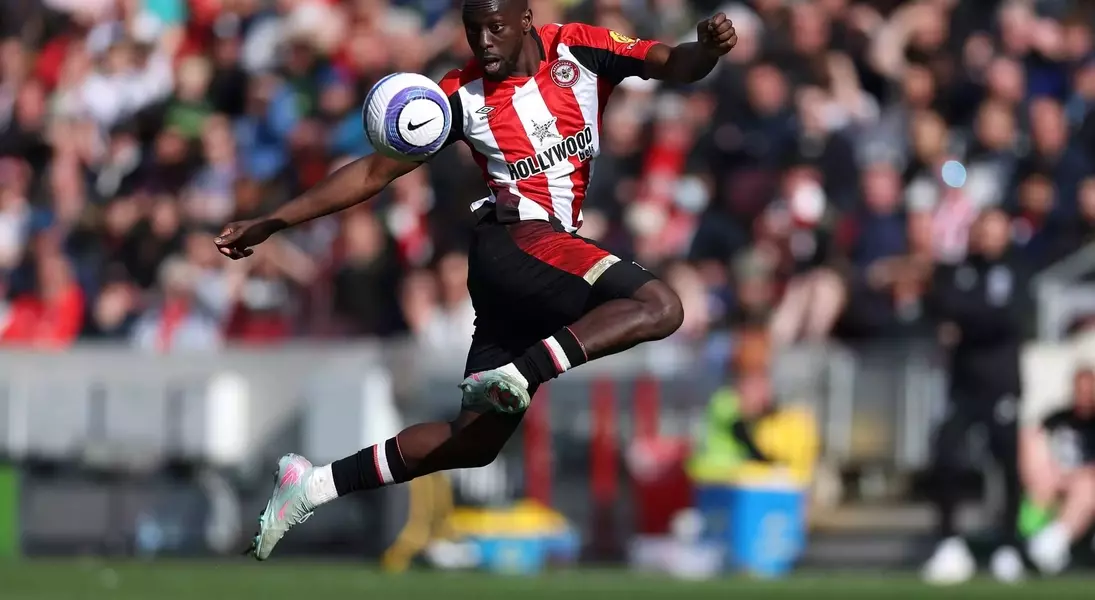
In the realm of professional football, the pursuit of new opportunities by players often creates a complex ethical landscape, particularly when individuals attempt to force transfers. The cases of Yoane Wissa and Alexander Isak serve as prime examples of this phenomenon. Wissa, seeking a transfer to Newcastle, opted out of Brentford's pre-season training, while Isak, desiring a move to Liverpool, refrained from joining Newcastle's East Asia tour. These actions, aimed at prompting a transfer, underscore a common, albeit controversial, strategy employed by players to control their career trajectories. This approach invariably ignites a spectrum of fan reactions, revealing a compelling inconsistency in how supporters perceive such tactics, especially when their own club stands to gain or lose from them. The #FreeWissa hashtag, though largely fueled by external parties, illustrates the varying sentiments and the attempt to sway public opinion during these contentious periods.
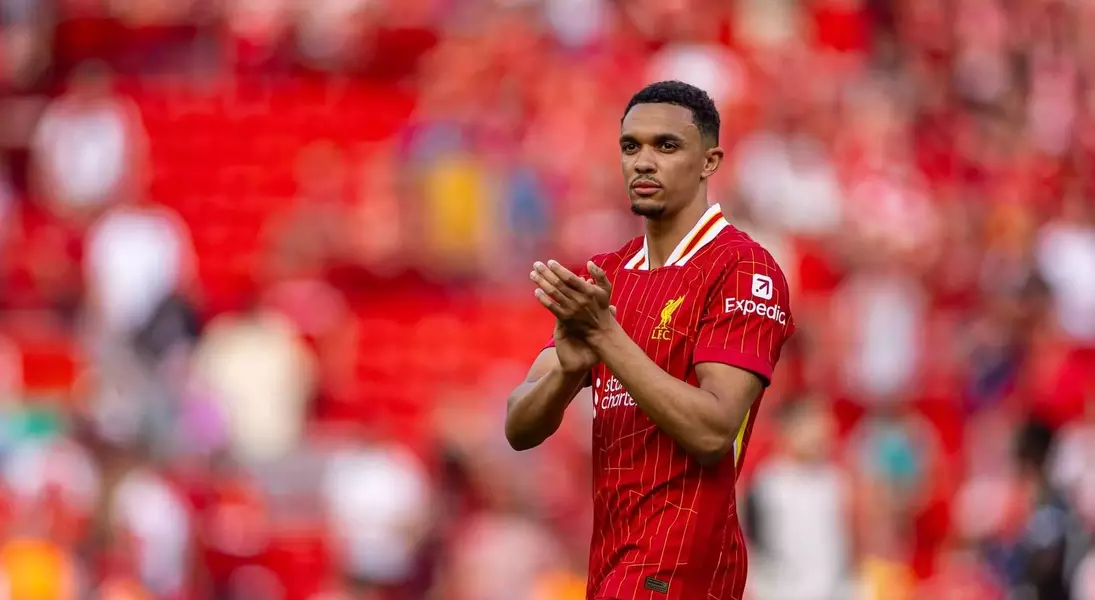
The reactions from the fanbase often highlight a significant moral inconsistency: fans who celebrate aggressive transfer tactics when their team benefits may condemn the very same actions when their club is on the losing end. For instance, while Newcastle fans might approve of Wissa's push to join their ranks, they simultaneously grapple with Isak's similar efforts to depart, demonstrating a self-serving logic rooted in allegiance. This selective morality is not unique to Newcastle, as seen in other incidents like Morgan Gibbs-White's situation with Nottingham Forest or the contentious departure of Trent Alexander-Arnold from Liverpool. Such scenarios emphasize that football fandom operates on an emotional rather than a purely rational plane, where the immediate benefit or detriment to one's team dictates the moral judgment of player actions. This deeply tribal aspect means that ethical considerations often take a backseat to the passion and loyalty invested in a club, leading to what outsiders might label as hypocrisy but is, in essence, an authentic expression of fan identity.
The Emotional Core of Football Fandom
Football fandom is a vibrant tapestry woven from intense emotions, where logical consistency often takes a backseat to fervent loyalty and tribal identity. Unlike detached observers, true football enthusiasts embrace a world governed by passion, not strict rationality. This emotional framework allows fans to experience the highs of victory and the lows of defeat with an intensity that transcends mere observation. It's why a dubious referee decision can provoke outrage rather than reasoned analysis, and why players' transfer choices are viewed through the narrow lens of what they mean for the beloved team. This inherent illogic is not a flaw, but a defining characteristic that contributes significantly to the sport's captivating appeal, fostering a deep, visceral connection between supporters and their clubs that few other activities can replicate.
This emotional core means that for many, supporting a football club is not about appreciating the broader game or maintaining consistent ethical stances across all teams. Instead, it is primarily about the unwavering commitment to "their" team. While some follow multiple leagues or players, the vast majority experience football through the prism of their chosen club. Every event, every transfer, every decision is filtered through the lens of how it impacts their team's success and standing. This tribalism, while occasionally leading to perceived hypocrisy in transfer sagas or player conduct, is ultimately a healthy outlet for expressing deep-seated emotions. It allows for a collective identity and shared experience that binds communities. Embracing these contradictions and the inherent irrationality of fandom is key to understanding the profound and enduring appeal of football, where emotional investment takes precedence over dispassionate analysis, creating an electrifying atmosphere that is uniquely its own.
