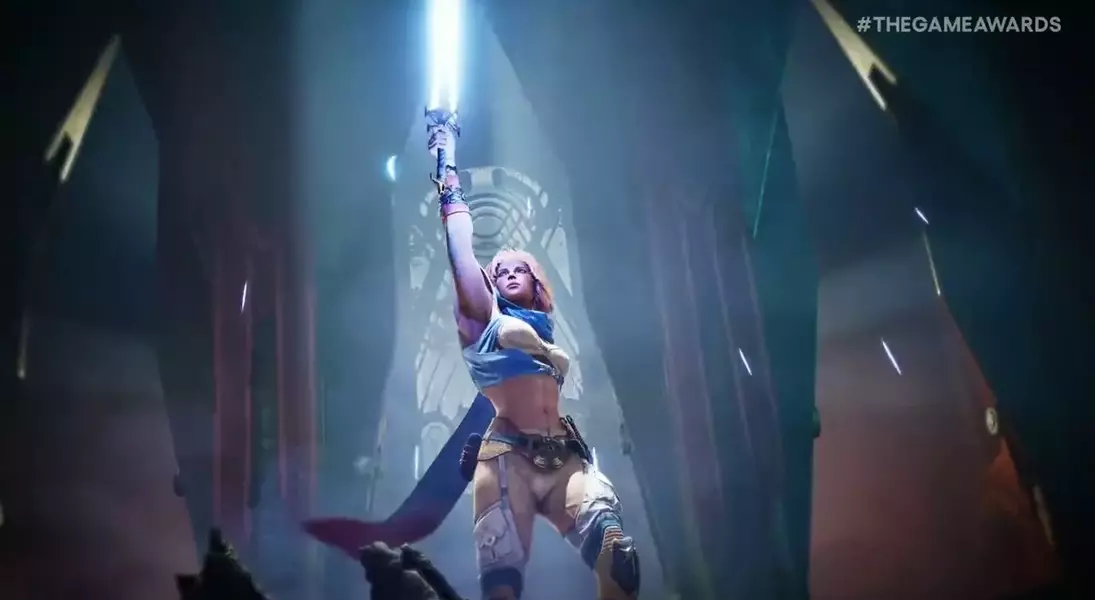

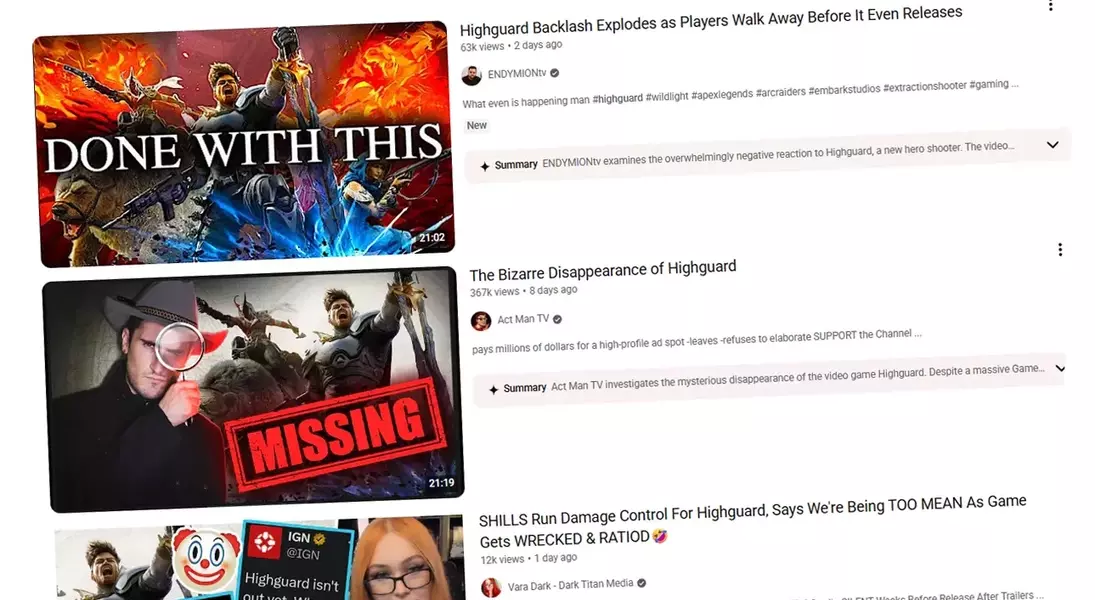
In an era dominated by constant online engagement and aggressive promotional campaigns, the debut of "Highguard," a new hero shooter, has been notably unconventional. Its presentation at The Game Awards, rather than fostering excitement, was met with immediate online backlash, largely due to its perceived lack of transparency and subsequent silence from its creators. This approach has prompted reflections on evolving developer-player dynamics and the inherent challenges of launching a game without extensive public interaction.
Despite initial assumptions that the game's prominent slot at the awards show was a paid placement, it was later clarified that the developer, Wildlight Entertainment, earned the spot on merit. However, the fervent online reaction to the reveal, characterized by a wave of cynicism and criticism, led to the development team retreating from public discourse. This silence, while perhaps a protective measure for the developers against a hostile online environment, has further fueled speculation and debate regarding their strategy and the game's readiness for release.
The Unconventional Launch of Highguard: A Study in Digital Age Marketing
The introduction of "Highguard" at last year's Game Awards deviated significantly from established marketing norms, eschewing the typical fanfare for a quiet unveiling. This unexpected approach instantly ignited a storm of commentary across social media platforms, with many expressing skepticism. Critics, accustomed to a steady stream of updates, trailers, and developer insights, were taken aback by the game's minimal presence and the lack of traditional engagement strategies. This quiet launch has effectively turned the game into a focal point for discussions about modern game promotion and the role of developer-player communication.
The developer's decision to maintain a low profile post-announcement, in stark contrast to the industry's pervasive culture of continuous interaction, has perplexed many. While some perceive this as a bold move, others view it as a missed opportunity to build rapport and manage public perception. This detached stance has inadvertently fueled a cycle of cynicism, compelling the gaming community to fill the information void with speculation and critique. The silence surrounding "Highguard" has thus become a litmus test for a gaming public increasingly accustomed to, and perhaps demanding of, constant digital interaction and transparency.
Navigating Public Scrutiny: The Developer's Dilemma in a Connected World
The developers of "Highguard" found themselves in an unenviable position, facing a barrage of negative sentiment immediately following their game's reveal. This hostile reception, characterized by personal attacks and widespread criticism, quickly drove the development team into a state of virtual reclusion. Their experience highlights the precarious nature of public-facing roles in the gaming industry, where even well-intentioned enthusiasm can be met with an overwhelming wave of digital negativity. In this charged atmosphere, the choice to disengage from constant social media engagement can be seen as a strategic defense mechanism, allowing the team to focus on development rather than battling online narratives.
This situation underscores a broader shift in the developer-player dynamic, moving away from an era where game creators could largely remain behind the scenes. In today's hyper-connected world, every announcement and subsequent silence is scrutinized, debated, and often amplified by social media. While the desire for transparency and engagement from players is understandable, the intense pressure and often toxic environment can compel developers to reconsider the extent of their public interaction. "Highguard's" journey, from its controversial reveal to its impending silent launch, serves as a poignant example of the challenges developers face in balancing creative vision with the demands and criticisms of an ever-present online audience.
