The annual Husker Harvest Days event serves as a pivotal platform for agricultural innovation and professional development. For those starting their careers in the sector, it offers a dual advantage: exposure to the latest advancements and practical experience in event organization. The author's recent involvement in creating the show program exemplifies how hands-on participation can significantly contribute to career trajectories. This experience underscores the critical need for aspiring agricultural professionals to define their career paths clearly, engage in open dialogues with mentors, and judiciously select opportunities that align with their long-term aspirations. It also highlights the growing importance of maintaining a healthy work-life balance, particularly for younger generations, to ensure sustainable career growth and prevent professional exhaustion.
Successfully navigating a career in agriculture requires a strategic approach to professional advancement that integrates personal well-being. This involves charting out future goals, fostering transparent communication with supervisors and industry veterans, and carefully evaluating new prospects. By adopting these practices, young professionals can proactively shape their careers, ensuring that each step taken contributes positively to their development without compromising their health or personal life. The lessons learned from participating in events like Husker Harvest Days are invaluable, providing a real-world context for applying theoretical knowledge and building essential industry connections.
Strategic Career Progression in Agriculture
For young individuals embarking on their journey in the agricultural sector, the path to professional development is often marked by a pursuit of new achievements and skills. This journey, from academic studies to securing a foundational position, often overlooks the crucial phase of continuous growth thereafter. Engaging with industry events like Husker Harvest Days extends beyond mere attendance; it becomes a fertile ground for practical learning, networking, and direct contribution to the sector's evolution. Actively participating in the planning and execution of such large-scale events offers an unparalleled insight into the operational complexities and strategic imperatives of the agricultural industry, laying a strong foundation for future leadership roles.
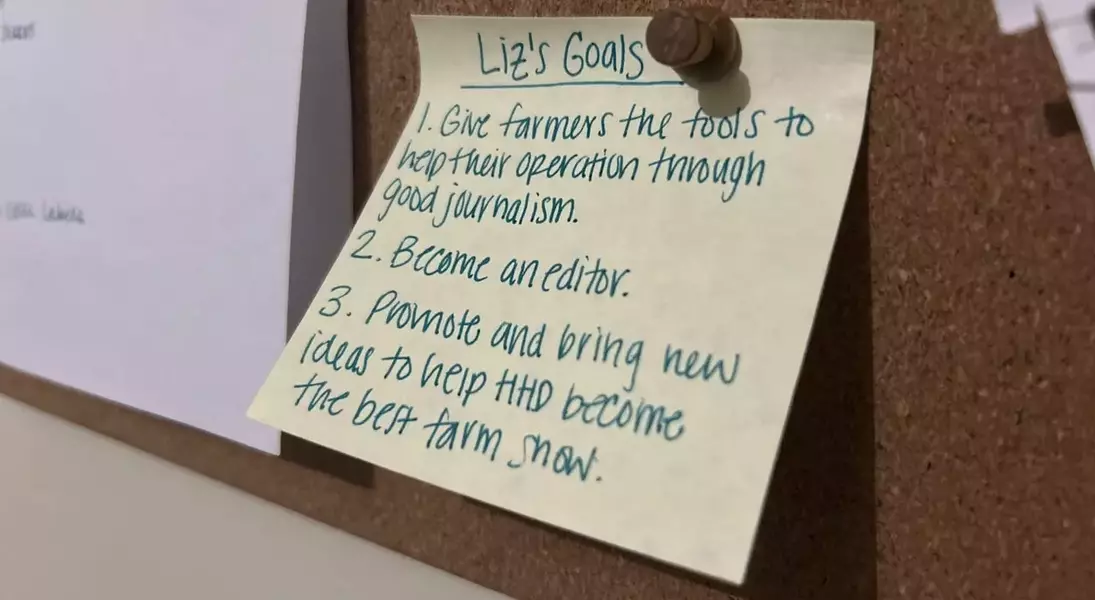
As young professionals, it is imperative to move beyond simply securing a job and instead focus on crafting a long-term vision for their careers. This strategic foresight involves detailing desired outcomes, proactively engaging in dialogues with experienced colleagues and mentors about career aspirations, and being selective about new commitments. The aim is to choose opportunities that genuinely advance one's professional objectives rather than merely accumulating responsibilities. Balancing career ambition with personal well-being is not a compromise but a prerequisite for sustained success, especially for the Gen Z demographic. Embracing opportunities that offer both professional enrichment and a healthy lifestyle ensures that enthusiasm and productivity are maintained throughout one's agricultural career.
Balancing Ambition with Personal Well-being
In the dynamic and demanding world of agriculture, especially for those just starting out, the drive to accept every new opportunity can lead to significant challenges, including burnout. The modern professional landscape, particularly for the younger generation, emphasizes the importance of work-life harmony, not as a luxury, but as a necessity for sustained productivity and mental health. This perspective challenges the traditional notion that career advancement solely depends on relentless pursuit and taking on excessive loads. Instead, it advocates for a more mindful approach, where each decision to engage in new projects or roles is critically assessed against personal capacity and long-term well-being goals.
Prioritizing personal well-being while advancing professionally requires a deliberate and introspective approach. It starts with self-awareness regarding one's limitations and the courage to decline opportunities that do not align with a balanced lifestyle or established career objectives. Essential strategies include setting clear, written goals for professional development and regularly reviewing them to ensure current engagements contribute meaningfully to these aspirations. Furthermore, open and honest communication with management about career interests and bandwidth is crucial. This transparency allows for collaborative planning of professional trajectories and helps in identifying roles that are both challenging and sustainable. Ultimately, embracing new experiences that resonate with core values and long-term plans will foster growth without leading to exhaustion, ensuring a fulfilling and enduring career in agriculture.
