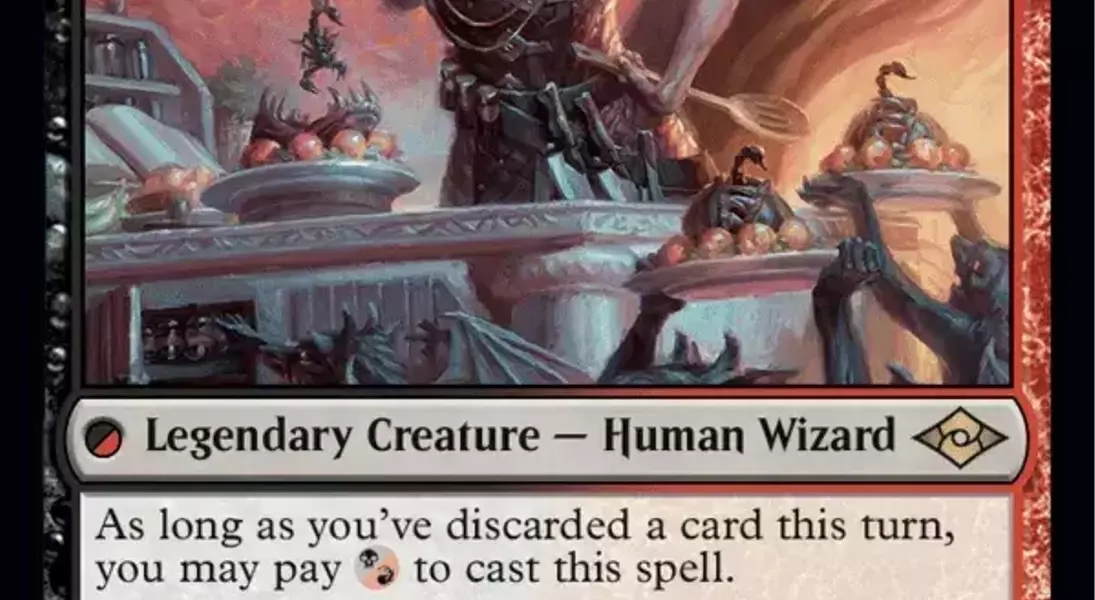
The expansive universe of Magic: The Gathering recently celebrated a unique character's long-awaited debut, a figure whose exceptionally lengthy name once presented an insurmountable hurdle for card designers. Asmoranomardicadaistinaculdacar, affectionately known as "Asmor," transitioned from a humorous mention in early game lore to a fully realized legendary creature in the highly acclaimed Modern Horizons 2 set. Her story embodies the game's capacity for evolving its narrative and mechanics, transforming an inside joke about card typography into a beloved, playable entity that has significantly influenced competitive strategies. This transformation highlights the creative ingenuity within the Magic design team, demonstrating how persistent community engagement and innovative card mechanics can bring even the most improbable concepts to life.
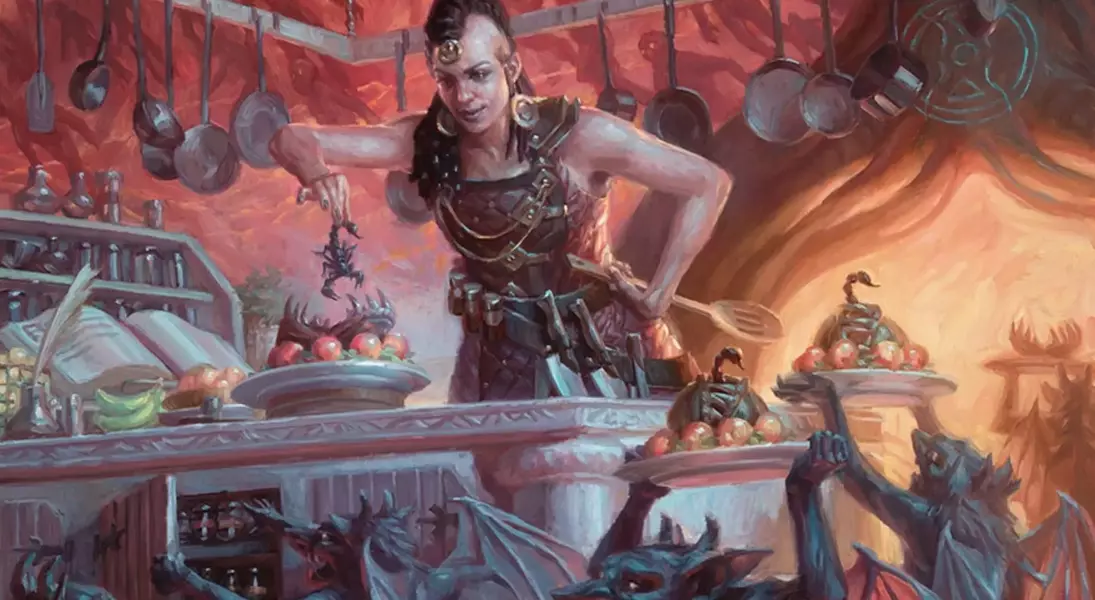
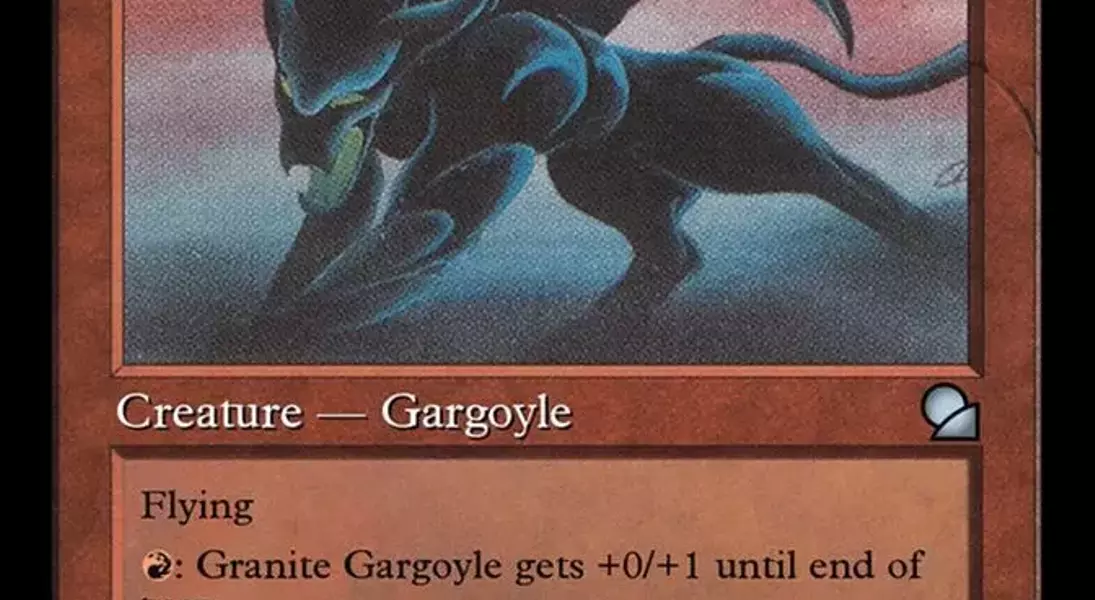
Asmor's origins trace back to the very nascent stages of Magic: The Gathering, specifically to the flavor text of the Alpha card, Granite Gargoyle. Initially conceived as a lighthearted quip, her unusually long name immediately captured the community's imagination, sparking memes and even inspiring a short story within the 1996 anthology, Distant Planes. In this narrative, Asmor was depicted not as a formidable planeswalker or a cosmic entity, but as a resourceful chef from the underworld, bound to serve a pit lord. Despite her growing popularity and integration into the broader Magic canon, the prospect of her receiving an official card seemed perpetually out of reach due to the sheer length of her name. Designers faced the challenge of fitting a 31-letter name onto a standard card template, which would have required shrinking the font to an illegible size or fundamentally altering card design principles.
For over two decades, prominent figures in Magic design, including head designer Mark Rosewater, frequently cited Asmor as a prime example of a character who, despite her lore presence, would likely never manifest as a physical card. The constraint of her name, coupled with the necessity for standard mana costs and rule text repetition, created what seemed like an insurmountable barrier. However, the advent of the Modern Horizons series, designed specifically to push the boundaries of conventional Magic rules and introduce innovative card concepts, provided the perfect opportunity. This set, known for its creative freedom, allowed the design team to re-evaluate the possibilities for Asmor.
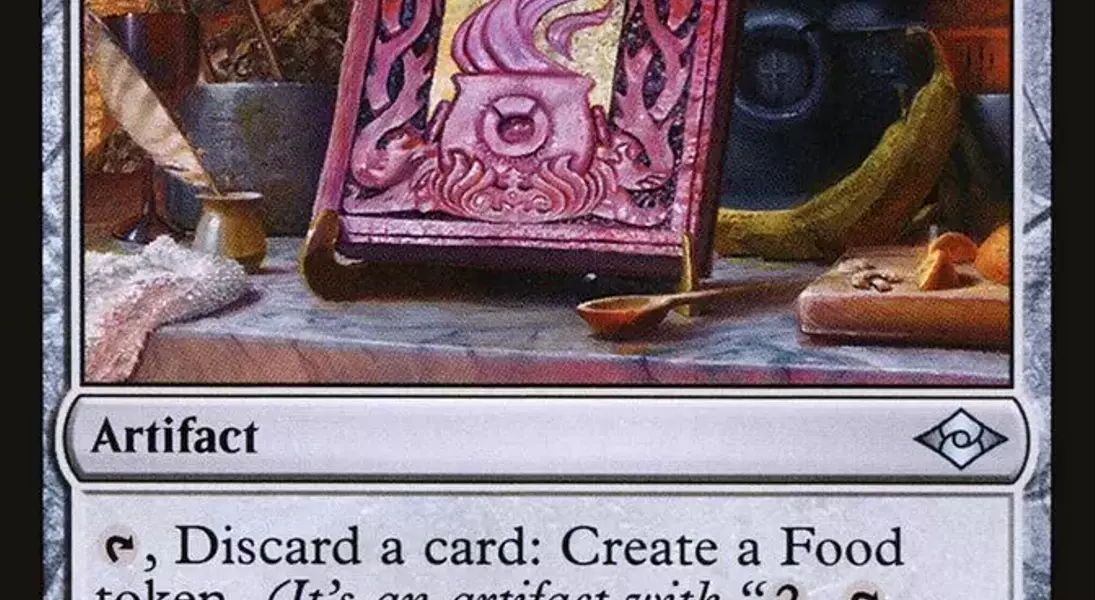
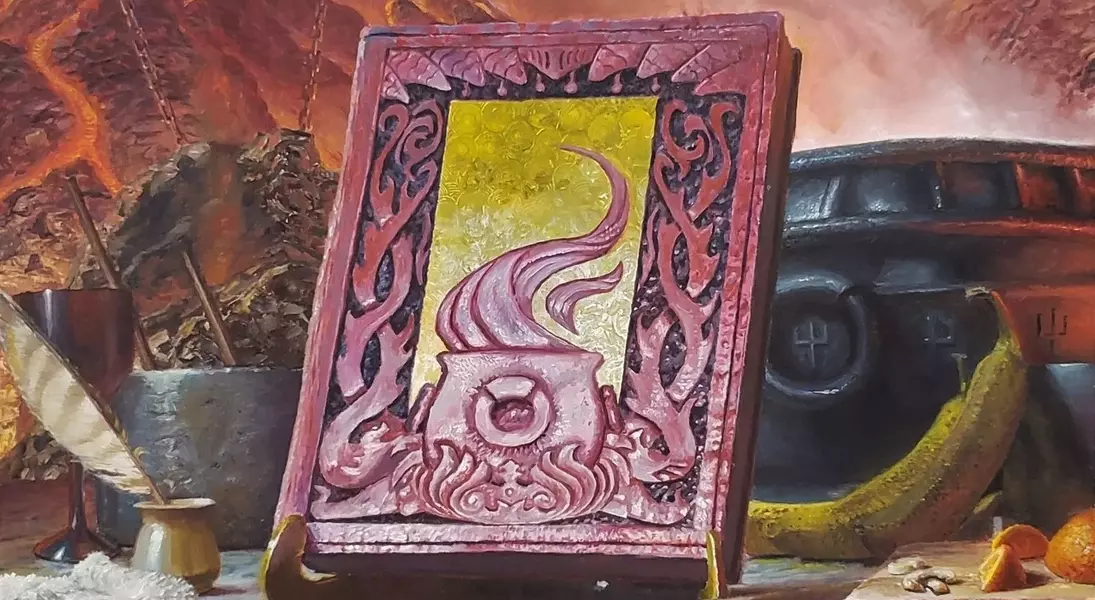
The successful implementation of Asmoranomardicadaistinaculdacar in Modern Horizons 2 was a testament to ingenious design solutions. Her name was meticulously fitted onto the title bar at the absolute smallest readable font size, eliminating the need for it to be repeated in the card's rule text, a common practice for legendary creatures. Instead, her abilities were crafted to be self-referential through their mechanics. To summon her, players must discard a card to activate her "Madness" ability, allowing her to be cast for a reduced cost of one black or one red mana. Crucially, her primary ability upon entering the battlefield allows players to search their library for "The Underworld Cookbook," a card that perfectly encapsulates her culinary origins and completes a narrative arc spanning a quarter-century. This card, also introduced in Modern Horizons 2, was later updated with the new "Book artifact" subtype, further solidifying Asmor's thematic identity.
While Modern Horizons 2 is largely remembered for its impactful contributions to competitive formats, introducing powerful staples such as Urza's Saga, Ragavan, Nimble Pilferer, and Esper Sentinel, Asmoranomardicadaistinaculdacar's unlikely journey stands out as one of its most endearing legacies. She has inspired a dedicated and popular Commander archetype, transforming what began as a humorous commentary on card design limitations into a strategically viable and competitive deck strategy centered around utilizing "Food" tokens to challenge opponents' creatures. Her story exemplifies how even the most whimsical elements can become integral parts of Magic: The Gathering's rich tapestry, allowing players to embody an underworld chef in a game often dominated by gods and world-ending threats.
