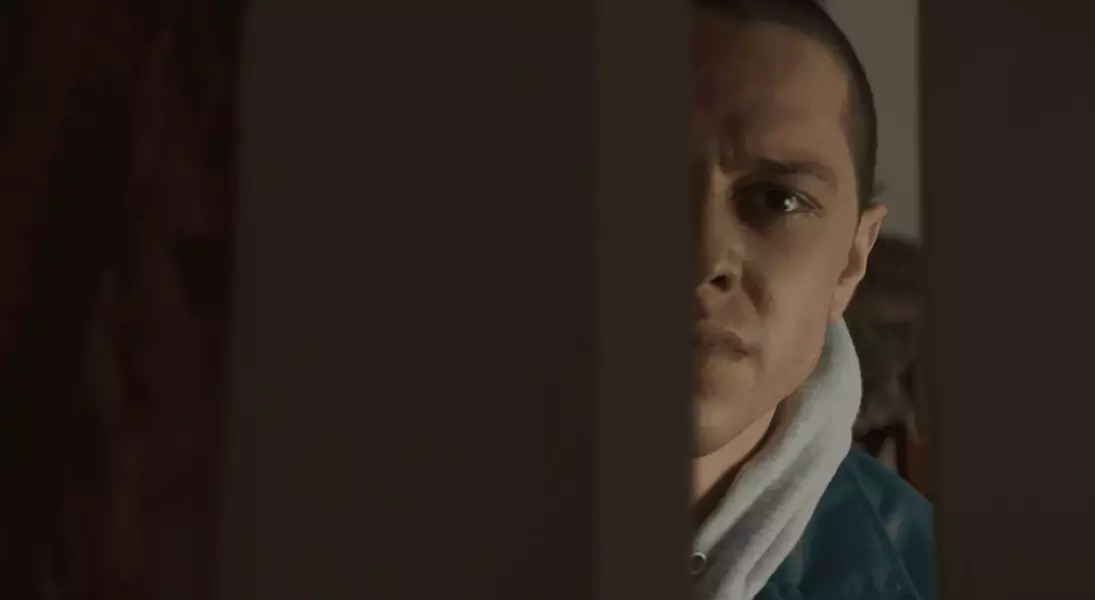
James DeMonaco, known for his work on 'The Purge' series, presents 'The Home,' a horror film where Max, portrayed by Pete Davidson, finds himself in an unsettling nursing facility. The movie skillfully uses visual storytelling and sound to create an atmosphere of dread, especially as Max's grasp on reality begins to falter. However, the film struggles with maintaining a consistent pace, causing it to occasionally lose its grip on the suspense it meticulously builds. Davidson's portrayal of the protagonist, though aesthetically fitting, wavers between compelling and understated, preventing a fully immersive experience. Despite these narrative and performance challenges, the movie manages to deliver a chilling final act, transitioning into a more conventional slasher format with effective results.
The narrative centers on Max, a young man haunted by the tragic loss of his brother, which manifests in recurring nightmares and a melancholic demeanor. After an arrest for vandalism, he's offered an alternative to incarceration: serving as a superintendent at a nursing home. This unusual placement sets the stage for the film's unfolding horrors. As Max integrates into the peculiar community of the Green Meadow Retirement Home, he uncovers a disturbing undercurrent, leading him to question the true nature of the facility and its residents, including an enigmatic doctor and two suspiciously secretive nurses.
DeMonaco, alongside co-writer Adam Cantor, crafts a world where the seemingly mundane environment of a long-term care facility becomes a source of terror. The visual elements, particularly Anastas N. Michos' cinematography and Mary Lena Colston's production design, are instrumental in establishing this unsettling ambiance. Dilapidated fountains and a plaintive score contribute to the pervasive sense of unease. The contrasting depictions of the nursing home's rooms, from the cozy and personal spaces of some residents to the stark, ascetic areas for more "difficult" patients, subtly hint at the hidden malevolence within its walls.
Yet, the film's journey is not without its stumbling blocks. The narrative frequently delays its moments of genuine terror, opting instead for prolonged sequences of Max performing his custodial duties. While this routine is intended to mirror Max's disintegrating mental state, it often leads to a prolonged sense of anticipation that can test the audience's patience. Furthermore, while Pete Davidson embodies the melancholic and traumatized aspects of his character well, his delivery sometimes lacks the emotional depth required for the more profound moments, leaning too heavily on his familiar deadpan style.
Intriguingly, the film attempts to weave in broader social commentary, particularly regarding generational tensions and environmental concerns, symbolized by an unusual hurricane linked to global warming. This subtle integration of contemporary issues suggests a deeper thematic ambition, though these ideas are not fully explored. Nevertheless, as the plot progresses, culminating in a significant revelation, 'The Home' shifts gears into a more traditional slasher narrative. It's during this concluding phase that Davidson's performance solidifies, and the film effectively delivers its scares, proving to be a surprisingly engaging horror experience in its final moments.
Ultimately, 'The Home' presents an intriguing, albeit flawed, exploration of horror within the confines of a retirement facility. It successfully leverages its setting and atmospheric elements to create a palpable sense of dread. Despite some narrative pacing issues and a lead performance that occasionally struggles to meet the material's demands, the film's strong finish and thematic undertones offer a rewarding experience for horror enthusiasts, hinting at a darker commentary on societal issues.
