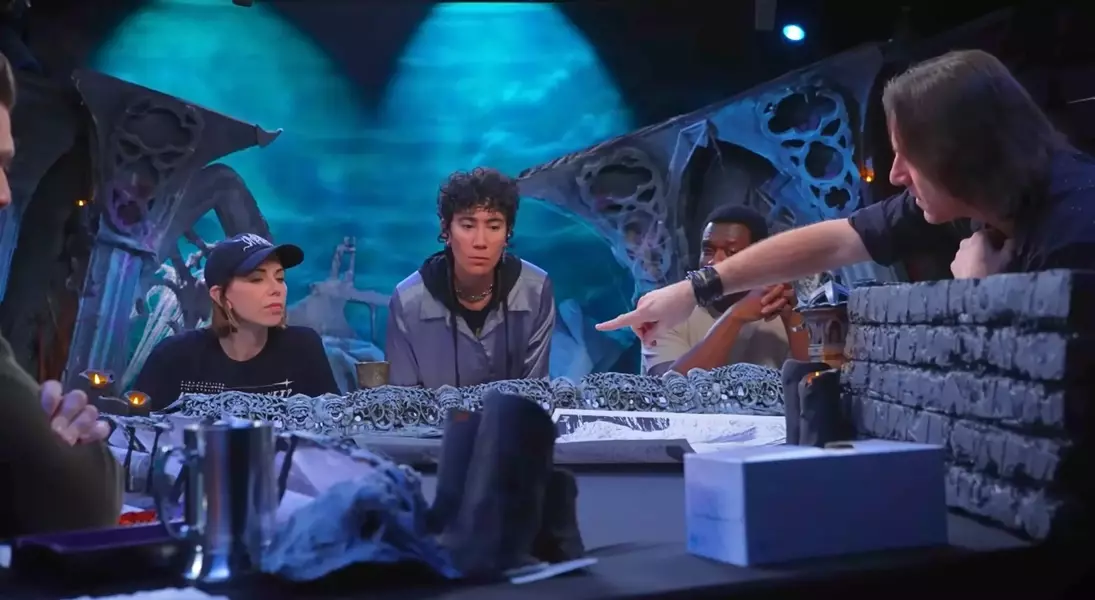
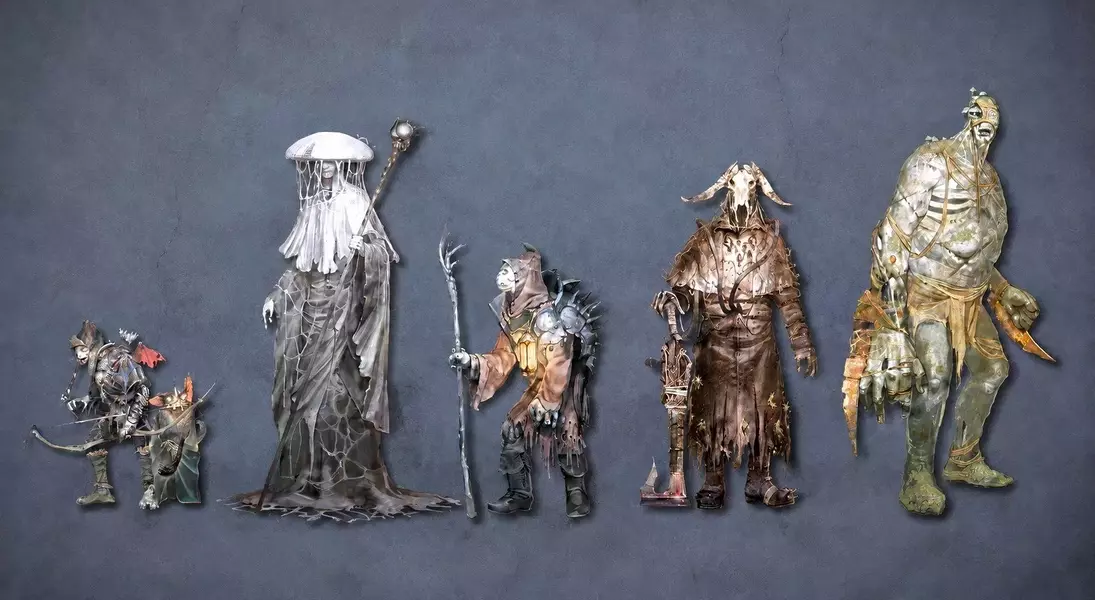

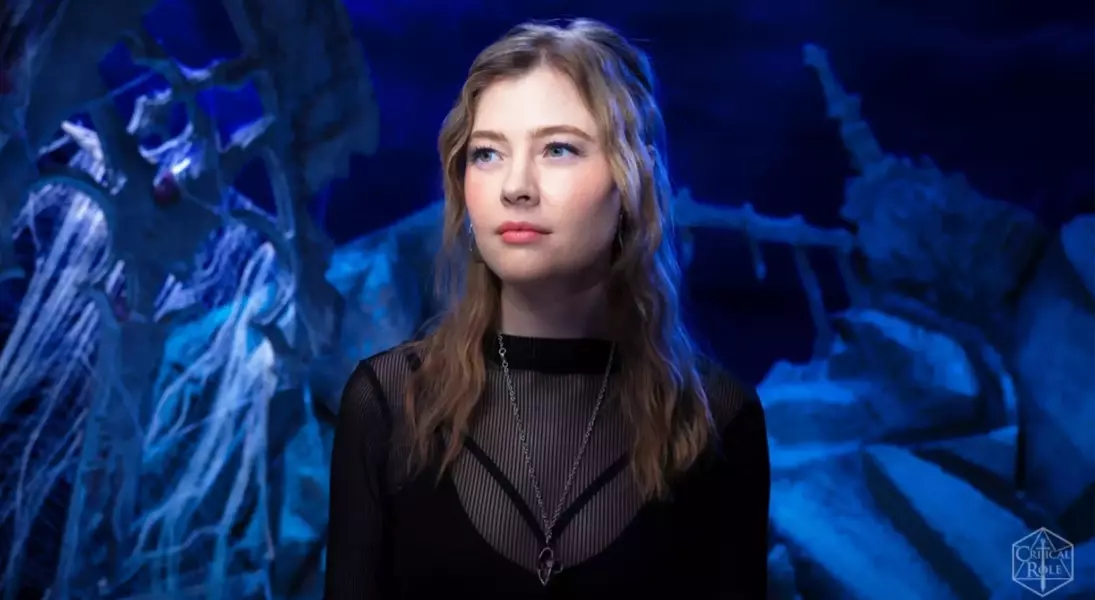
Critical Role has unveiled its new gothic-themed tabletop role-playing game (TTRPG) series, "Age of Umbra: Sallowlands," drawing considerable attention for its distinctive approach to gameplay. This new venture, following closely on the heels of Campaign 4, is being lauded as a refreshing change for the TTRPG community, especially for those accustomed to Dungeons & Dragons. The series introduces players to the mysterious Halcyon Domain with a fresh cast, including Jennifer English from "Baldur's Gate 3" and Abubakar Salim from "House of the Dragon." More importantly, it highlights the innovative Daggerheart system, presenting a robust alternative to traditional D&D mechanics. "Sallowlands" aims to provide a more narrative-focused and flexible gaming experience, potentially inspiring a new generation of players to explore TTRPGs beyond D&D.
Many fans were first introduced to TTRPGs through Critical Role's "Campaign 1: Vox Machina," which premiered in 2015. With Dungeon Master Matthew Mercer and popular voice actors like Ashley Johnson and Laura Bailey, the series successfully brought D&D into mainstream culture. The show's engaging storytelling and character interactions inspired countless viewers to try their hand at TTRPGs. Even for those who weren't watching the live play at the time, Critical Role's influence often served as a gateway into the hobby, demonstrating the rich narrative possibilities of games beyond D&D, such as "Star Wars" and "Wanderhome."
The debut episode of "Sallowlands" unequivocally demonstrates the potential of Critical Role and Darrington Press's Daggerheart system. It's more than just a superficial update to D&D; Daggerheart offers a dynamic and innovative take on established TTRPG systems. Its design prioritizes storytelling and character development, moving away from an excessive focus on statistics and numerical values. This shift allows for a more immersive experience, where the narrative takes center stage.
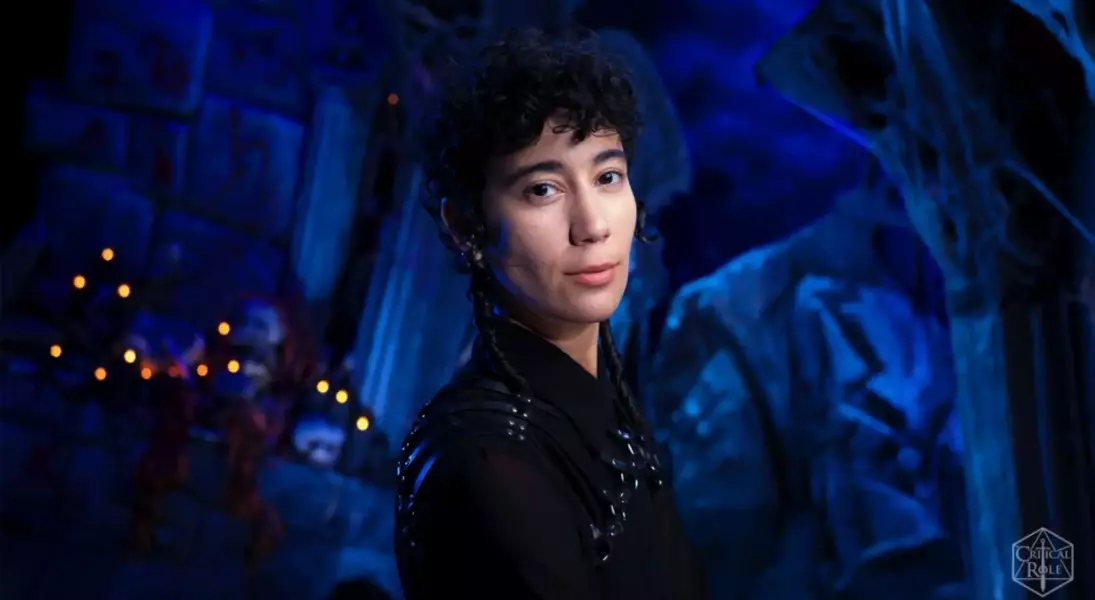
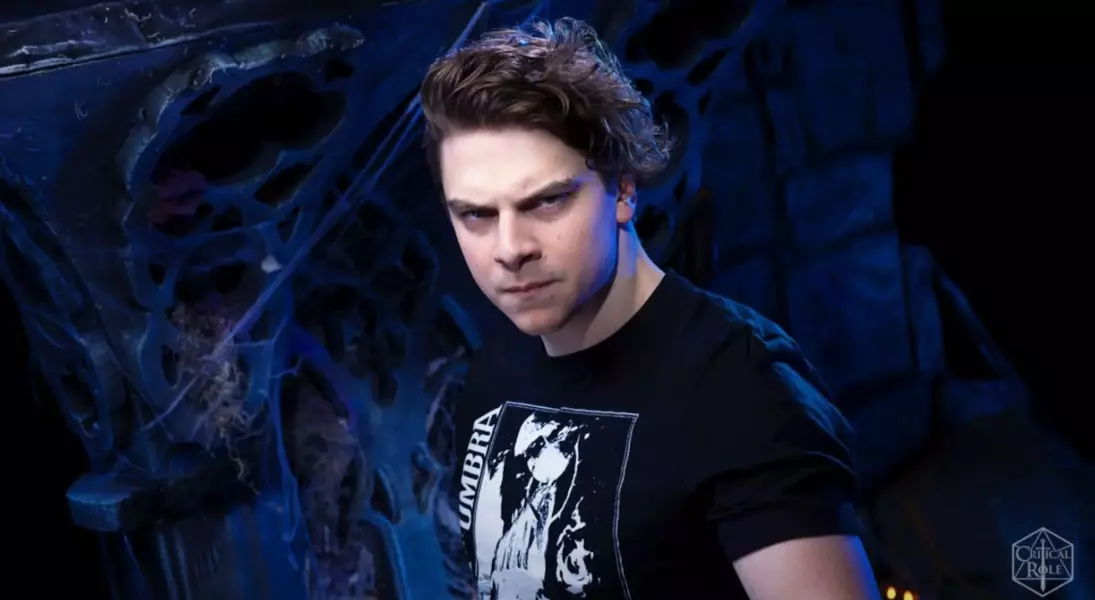
From the moment the eerie characters of "Sallowlands" are introduced, the Daggerheart system, combined with the cast's exceptional acting, expertly distinguishes each individual, both in terms of their narrative roles and mechanical capabilities. For example, Sister's (Laura Bailey) hedge witch magic differs significantly from Caguama's (Vico Ortiz) abilities as a seraph, with the latter focusing on healing and diplomacy while the former employs hexes. Even the more combat-oriented characters like Dillwyn (English), Mercy (Salim), and Alphonse (Zachery Renauldo) showcase distinct classes and abilities, emphasizing their unique contributions to the storyline as a ranger, brawler, and blood hunter, respectively. While D&D also features distinct classes, the nuanced differences in "Sallowlands" are particularly striking, especially when compared to Critical Role's Campaign 4, where the larger cast sometimes blurs the lines between character roles. The smaller, five-player cast of "Sallowlands" allows for more refined character differentiation.
One of the most compelling features distinguishing Daggerheart from D&D is its innovative Hope and Fear mechanic. Instead of using D20s, Daggerheart employs two D12s: one representing Hope and the other Fear. Players use the higher of the two dice, but with a critical twist. A higher roll on the Hope die grants a Hope point, which can be used to activate abilities or assist other players. Conversely, a higher roll on the Fear die awards Fear to the Game Master, who can then use it to introduce complications, negatively influence the story, trigger environmental effects, or even enhance monster abilities. This system creates a dynamic resource economy where both GMs and players accumulate resources as tension builds. For instance, Mercy's frequent high Hope rolls allow him to aid his allies multiple times, such as helping Dillwyn navigate a forest or assisting Alphonse in combat. While D&D offers a "Help" action, it lacks the narrative depth and tension inherent in earning aid through the Hope die in Daggerheart.
Beyond the Hope and Fear system, Daggerheart also innovates in combat mechanics. Unlike D&D's rigid turn order, Daggerheart's combat uses a "spotlight" system, allowing players to choose when to act. This eliminates the frustration of waiting for a turn only for the battle to end prematurely. Players can act when they feel it's most impactful, maintaining the flow of combat. For players who might find this freedom overwhelming, the Daggerheart guide offers alternative rules to ensure equitable participation, such as limiting turns to three before everyone else has had a chance. This dynamic approach keeps combat engaging for viewers and players alike, as the timing of actions and the impact of Hope or Fear dice rolls remain unpredictable, ultimately allowing everyone to be fully immersed in the unfolding story, even if that story involves brutal combat scenarios.
This isn't Critical Role's first foray into the Daggerheart system. Previous "Age of Umbra" miniseries and live show one-shots have featured it. However, with "Sallowlands" premiering after a break from Campaign 4, it provides a fresh opportunity to highlight the distinct advantages of Daggerheart over D&D. For many, it serves as an enticing invitation to explore a more flexible, creative, and narrative-driven TTRPG experience.
Critical Role's "Age of Umbra: Sallowlands" is a groundbreaking series that redefines the TTRPG landscape, offering a compelling blend of narrative depth and innovative mechanics. The Daggerheart system, with its Hope and Fear dice and flexible combat, fosters a more dynamic and player-centric experience, moving beyond the traditional constraints of Dungeons & Dragons. The engaging performances of the cast, combined with the richly detailed world and distinct character roles, create a captivating storytelling environment. This new series serves as a powerful testament to the evolution of tabletop role-playing games, demonstrating how thoughtful design can prioritize immersive narratives and player agency. For both seasoned enthusiasts and newcomers, "Sallowlands" promises an exciting and refreshing journey into the heart of gothic fantasy, proving that there are always new ways to tell incredible stories at the table.
