Marinated artichokes, a readily available pantry item, offer a burst of flavor and tender texture that can significantly enhance a myriad of dishes. While fresh artichokes demand considerable preparation, their marinated counterparts provide a convenient shortcut, infusing meals with a delightful tang and satisfying substance. These preserved delicacies can seamlessly integrate into diverse culinary creations, turning everyday ingredients into extraordinary meals.
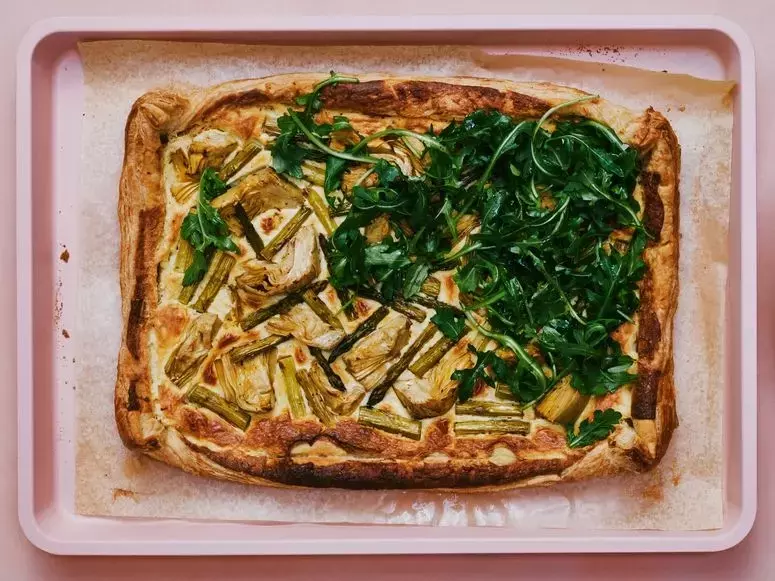
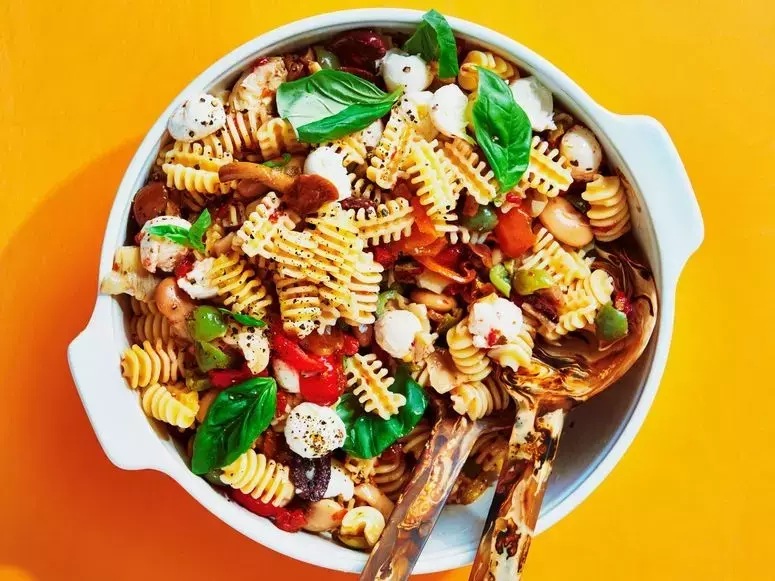
Culinary professionals frequently harness the potential of marinated artichokes to craft inventive dishes. For instance, they can be transformed into a rustic galette by combining them with a creamy filling and other vegetables, encased in a simple puff pastry crust. Another favored application is in a tangy potato salad, where their briny liquid can be absorbed by warm potatoes, imparting a rich, piquant flavor. Additionally, they are a superb addition to quick pasta dishes, blending effortlessly with other savory elements like olives, capers, and roasted peppers to create a robust and satisfying meal in minutes.
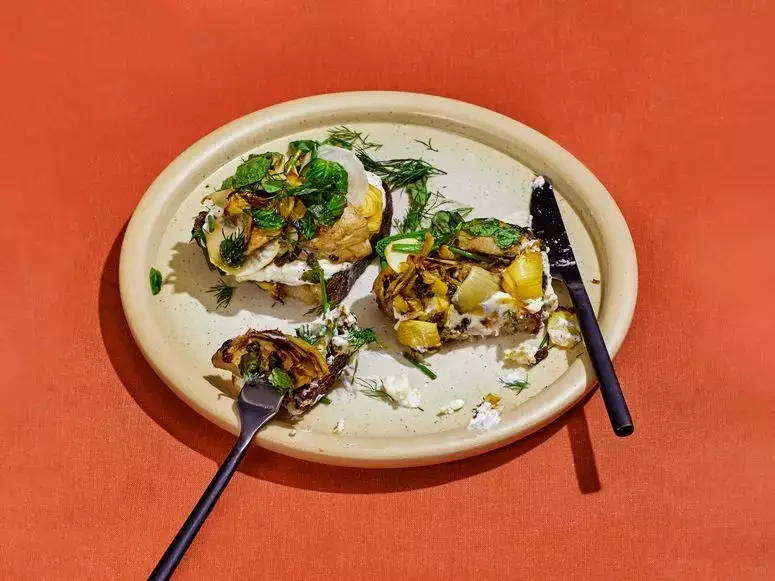
Beyond these applications, marinated artichokes lend themselves well to more refined preparations. They can be roasted alongside fish fillets, with their marinade brushed onto the protein for an extra layer of taste, resulting in an elegant sheet-pan dinner. Furthermore, they are excellent when sautéed and piled onto fluffy ricotta toast, often complemented by an herb salad dressed with the artichoke brine itself, showcasing a commitment to minimizing waste and maximizing flavor. These examples underscore the remarkable versatility of marinated artichokes, proving them to be an invaluable component in both simple and sophisticated cooking.
Embracing the convenience and rich flavor of marinated artichokes allows for culinary exploration and creativity. By incorporating such versatile ingredients into our cooking, we not only simplify meal preparation but also enrich our diets with exciting tastes and textures. This approach encourages a resourceful and imaginative mindset in the kitchen, fostering a deeper appreciation for the transformative power of readily available ingredients.