A dedicated fan of the classic Crazy Taxi franchise recently shared their mixed feelings regarding the newly announced title, Crazy Taxi: World Tour. Having experienced numerous versions of the game, from its PlayStation 2 EyeToy adaptation to the iconic Dreamcast and arcade editions, the player initially held high hopes for a contemporary reimagining. However, an hour-long demo left them with a sense of disappointment, particularly concerning the game's driving feel and overall aesthetic.
The journey with Crazy Taxi began in an unconventional manner for the author, encountering the game through the PlayStation 2 EyeToy, an experience that involved animated gestures and vocal commands to summon a virtual cab. This unique introduction was followed by countless hours spent navigating the vibrant streets in both the Dreamcast and arcade iterations, solidifying a deep appreciation for the series' distinctive gameplay. The announcement of Crazy Taxi: World Tour sparked a renewed sense of anticipation, only to be tempered by discussions surrounding the game's reported use of generative AI in its early development stages.
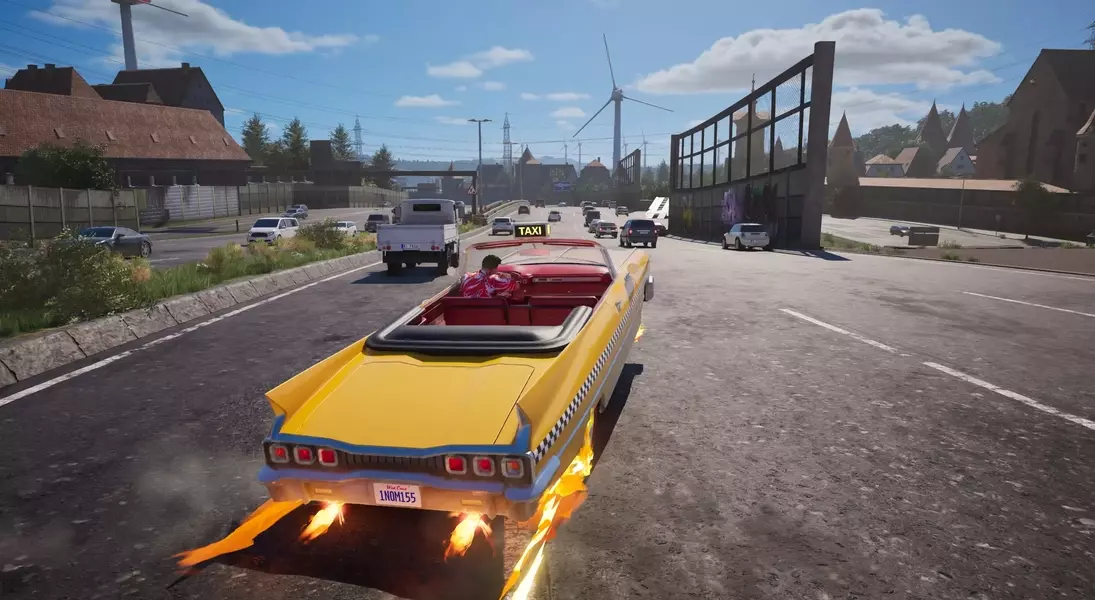
Despite reservations about the AI discourse, the reviewer approached the Gamescom demo of Crazy Taxi: World Tour with an open mind, eager to see if a modern take could recapture the magic of its predecessors. The demo placed players in the shoes of Axel, the series' familiar protagonist, within a German-themed city. While the core time-attack mode, requiring players to pick up and drop off passengers against the clock, remained intact, it was the diverse array of side challenges that offered momentary enjoyment. These included delivering stacks of pizzas and performing extreme stunts with an adrenaline-seeking passenger, each culminating in a star rating based on performance.
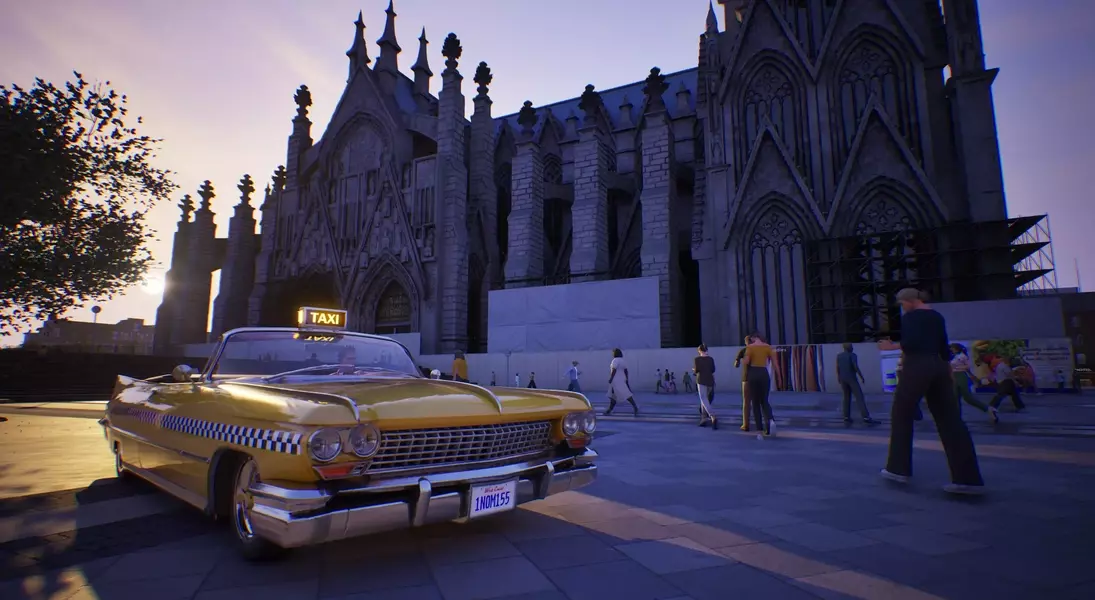
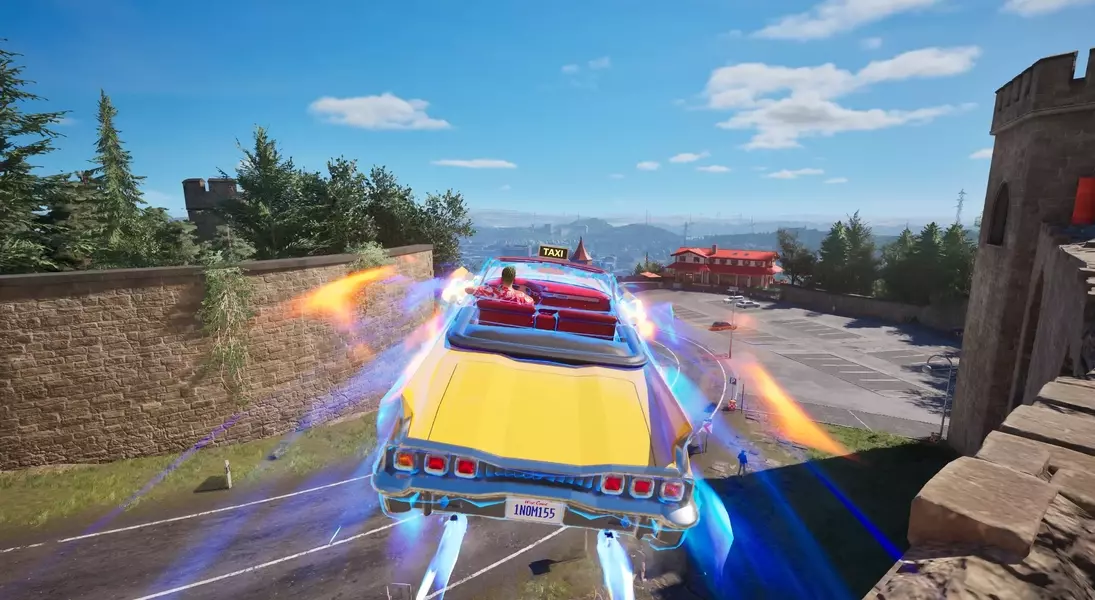
However, the engaging side activities couldn't compensate for a fundamental issue: the driving experience itself. The handling felt overly precise and lacked the signature "juice" of the original's drifting mechanics, ultimately detracting from the inherent fun of navigating the city. Furthermore, the visual style of Crazy Taxi: World Tour struck the reviewer as bland and generic, a stark contrast to the original's distinct cartoonish charm that instantly identified it as a Sega creation. This perceived lack of identity was particularly evident in its resemblance to games potentially influenced by generative AI, even with impressive recreations like Cologne's cathedral failing to elevate the overall presentation.
Ultimately, despite the inclusion of iconic elements such as The Offspring's soundtrack, real-world brand integrations like Puma, and Axel's spiky green hair, the game's overall "sauceless presentation" left a veteran fan yearning for the vibrant and chaotic spirit of the original. The reviewer concluded that while they would continue to observe the game's development from a distance, the demo did not instill a desire to immediately return to the driver's seat of this new Crazy Taxi.
