This comprehensive guide delves into perfecting the art of mushroom and asparagus risotto, outlining key techniques to enhance flavor and texture. From maximizing mushroom intensity to ensuring perfectly creamy rice and crisp asparagus, every step is designed to elevate this classic dish. The methods presented prioritize depth of flavor and ideal consistency, making it a go-to recipe for an exquisite culinary experience.
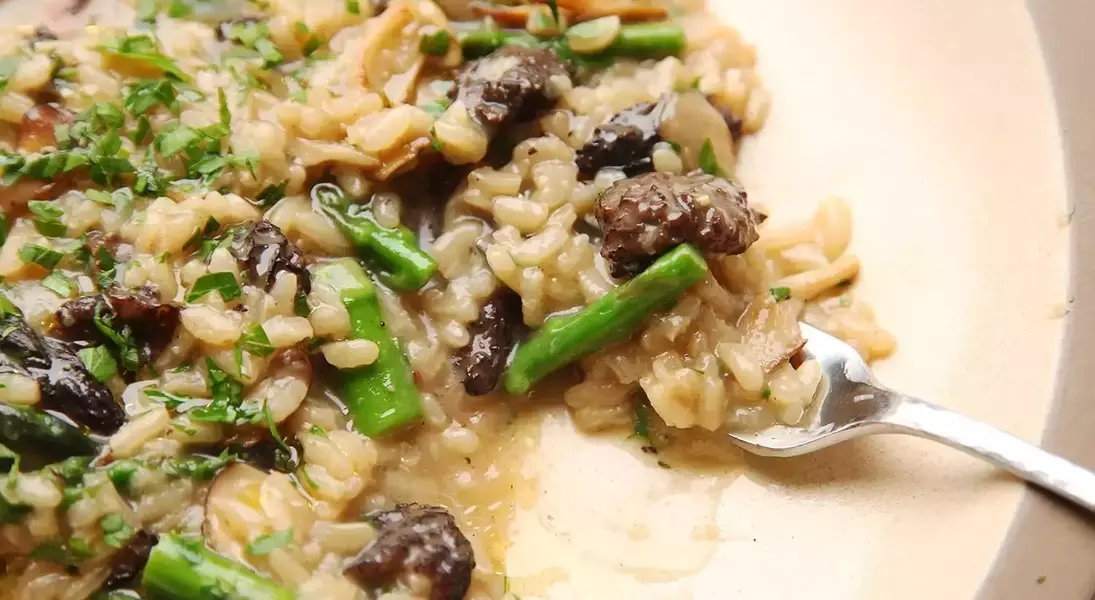
To achieve the most profound mushroom flavor, the recipe begins by rehydrating dried mushrooms, such as morels or porcinis, in stock. This process not only softens the mushrooms but also infuses the stock with an earthy richness, forming a robust foundation for the risotto. Following this, fresh mushrooms, like maitake, are sautéed in a blend of butter and olive oil alongside onions and garlic. To further boost the umami profile, a touch of soy sauce and miso paste is added, creating a complex and savory base.
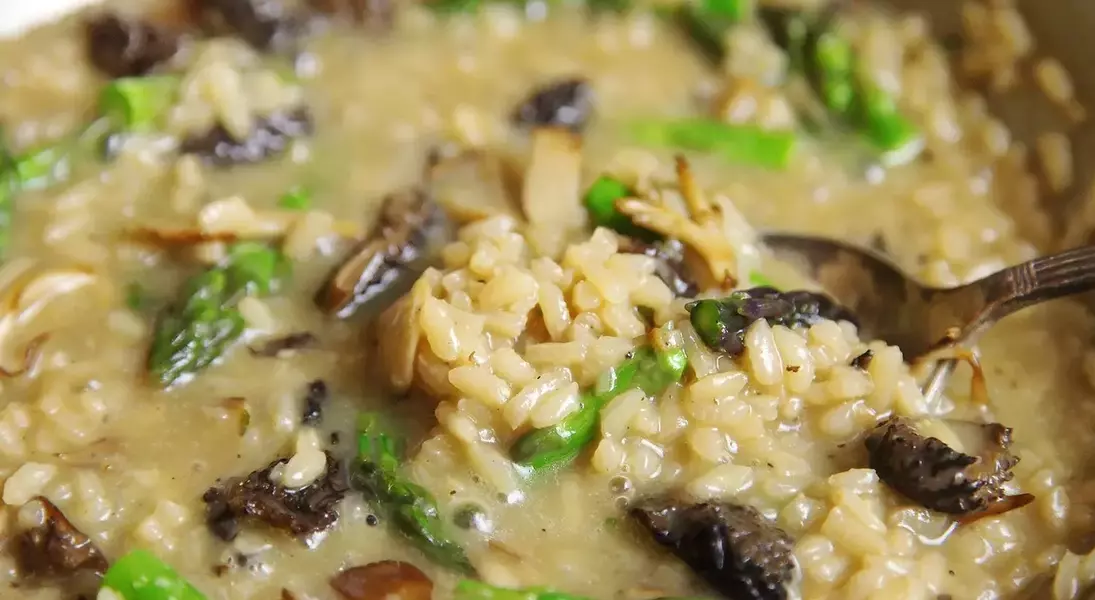
A crucial step in perfecting the risotto's texture involves a unique approach to rice preparation. Instead of traditional toasting that can hinder starch release, the arborio or vialone nano rice is first rinsed in the mushroom-infused stock. This technique washes excess starch into the liquid, allowing the individual rice grains to toast more thoroughly without compromising the starch's ability to create a creamy risotto. Once toasted, dry white wine is added and reduced, followed by the starchy mushroom stock. Unlike old-fashioned methods that demand constant stirring, this recipe advocates for adding most of the liquid at once and stirring only occasionally, simplifying the cooking process while still yielding a luscious result.
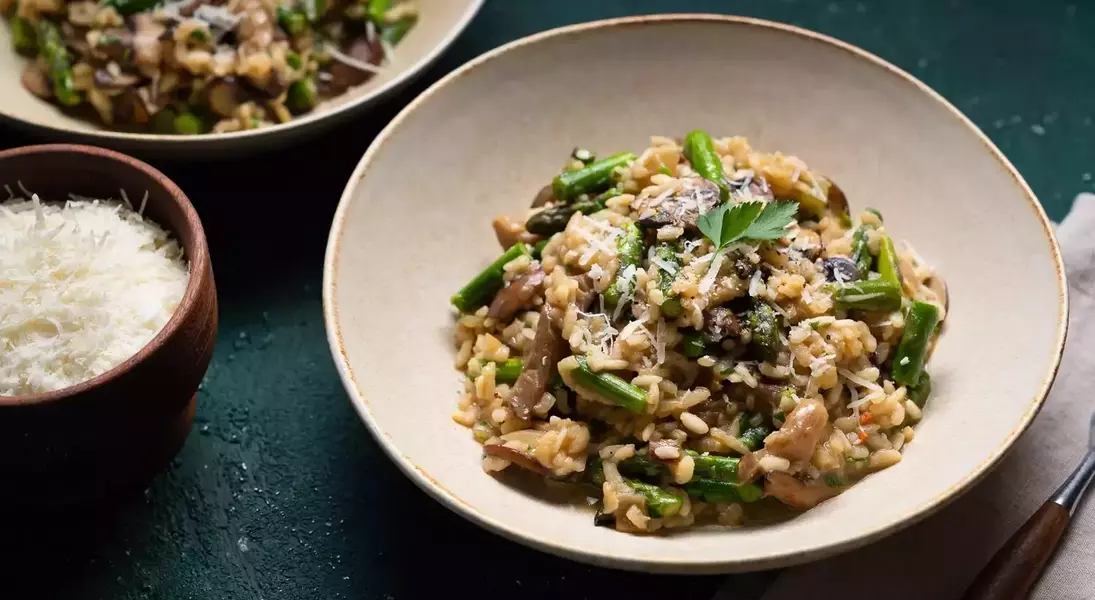
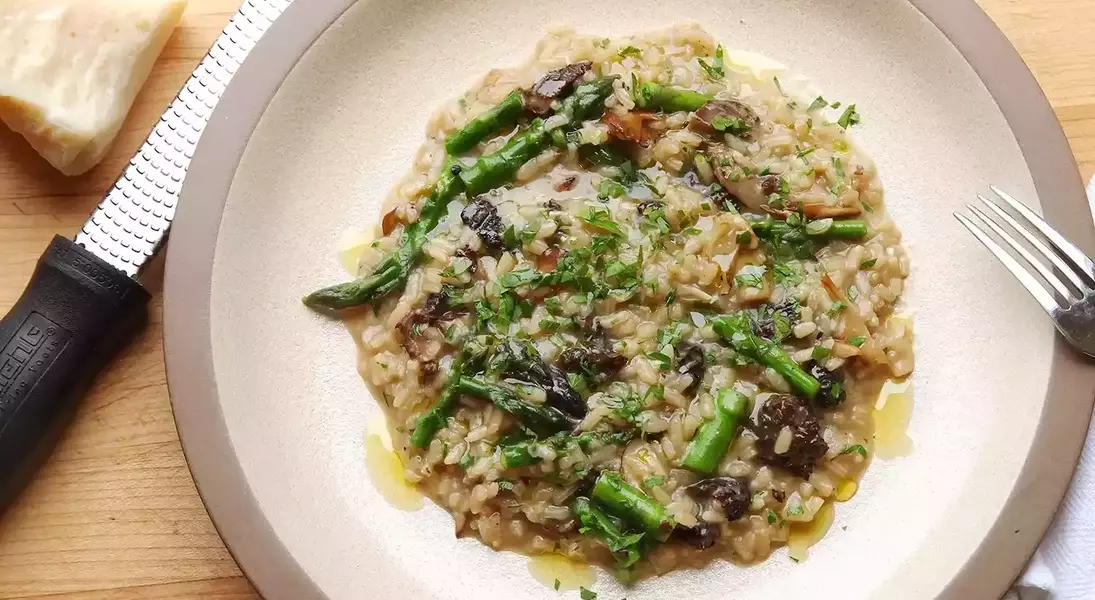
The integration of asparagus is timed precisely to ensure optimal texture and visual appeal. The asparagus is introduced when the rice is almost fully cooked, allowing it to become tender-crisp and retain its bright green hue. The finishing touches involve stirring in grated Parmigiano-Reggiano cheese, along with fresh chives and tarragon, the latter chosen for its anisescented notes that beautifully complement the asparagus. A critical tip for serving is to always use hot plates, as this prevents the risotto from cooling too quickly and losing its desirable light and creamy consistency. Serving on warm plates ensures the risotto remains flowing and delightful from the first spoonful to the last.
Ultimately, this recipe transforms a simple dish into a gourmet experience by focusing on layered flavors, precise cooking techniques, and thoughtful finishing touches. By following these guidelines, you can create a mushroom and asparagus risotto that is rich in taste, perfectly textured, and a true culinary delight, emphasizing that even the smallest details, like warmed plates, contribute significantly to the overall enjoyment.
