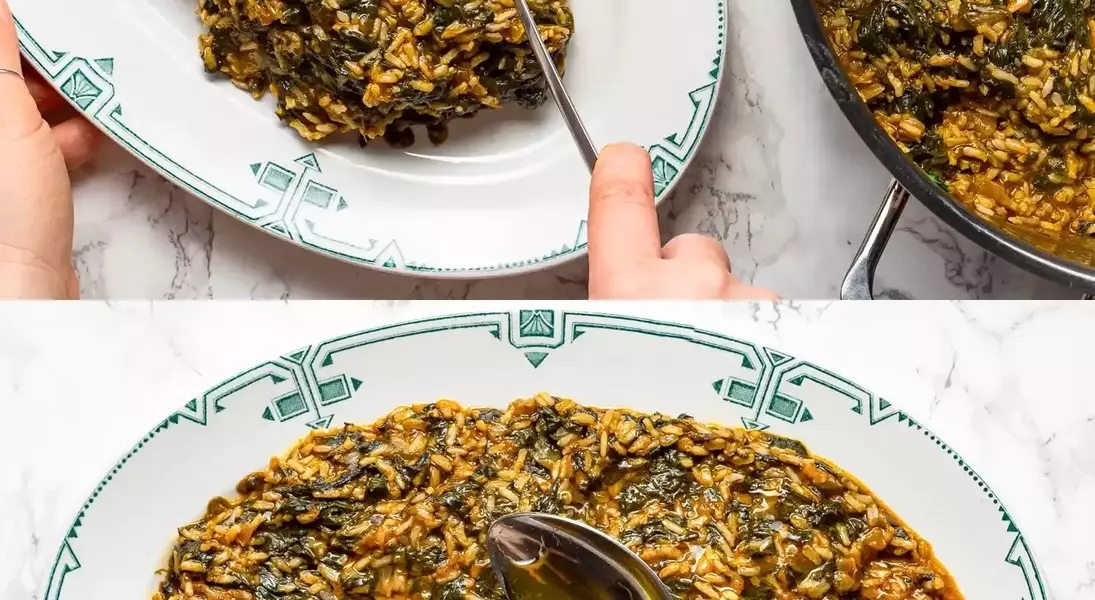
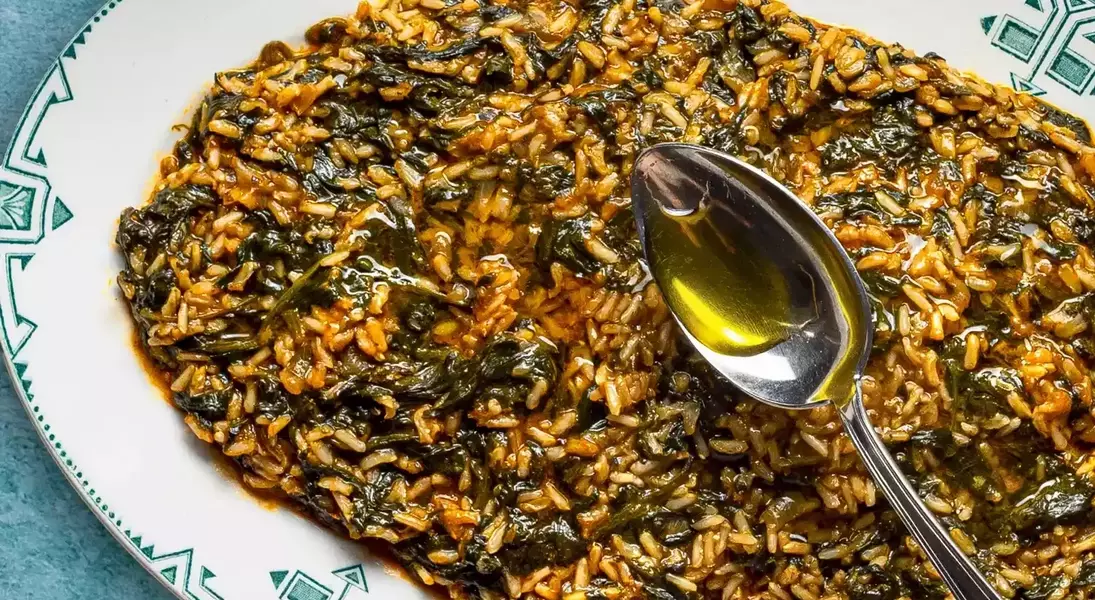
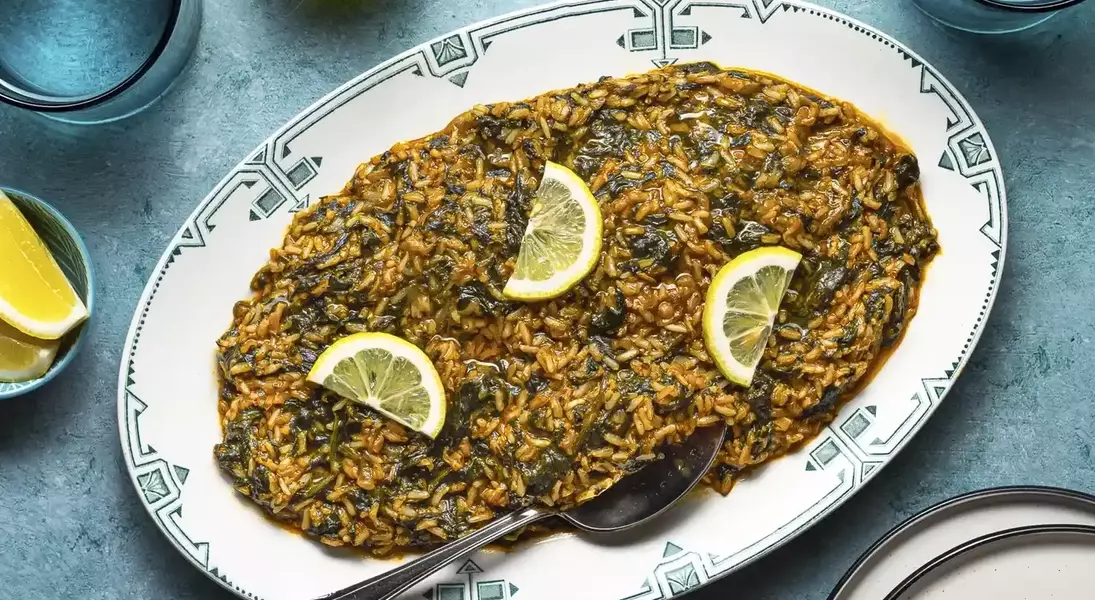
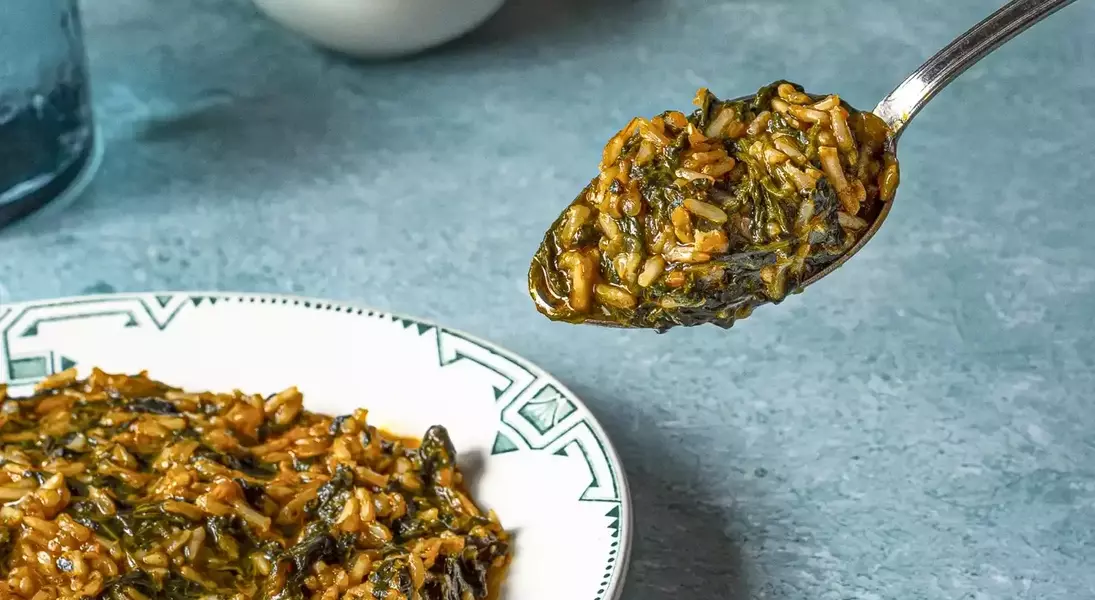
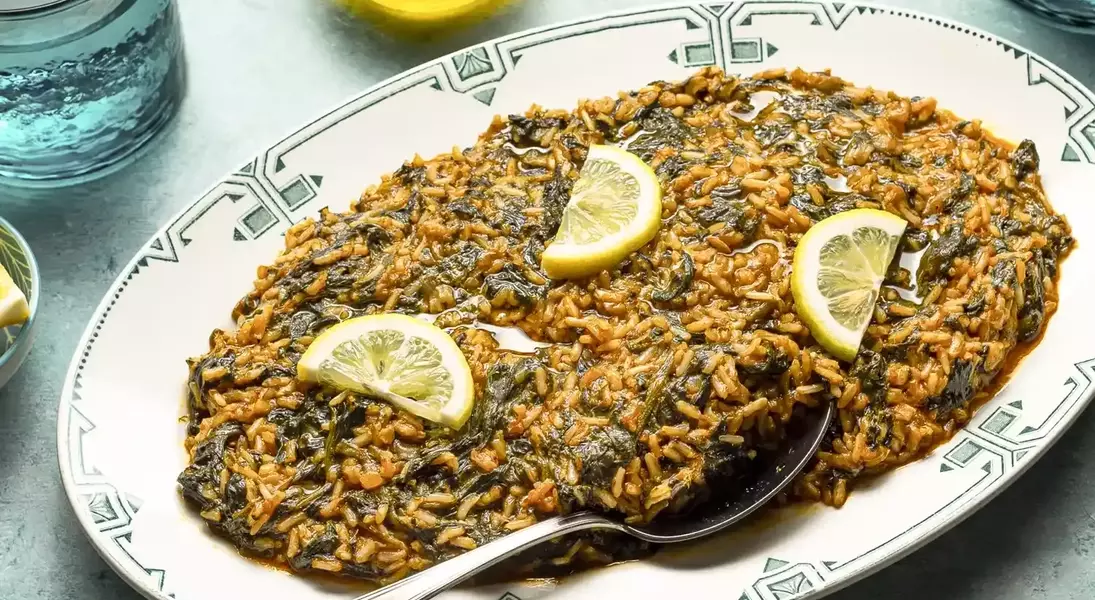
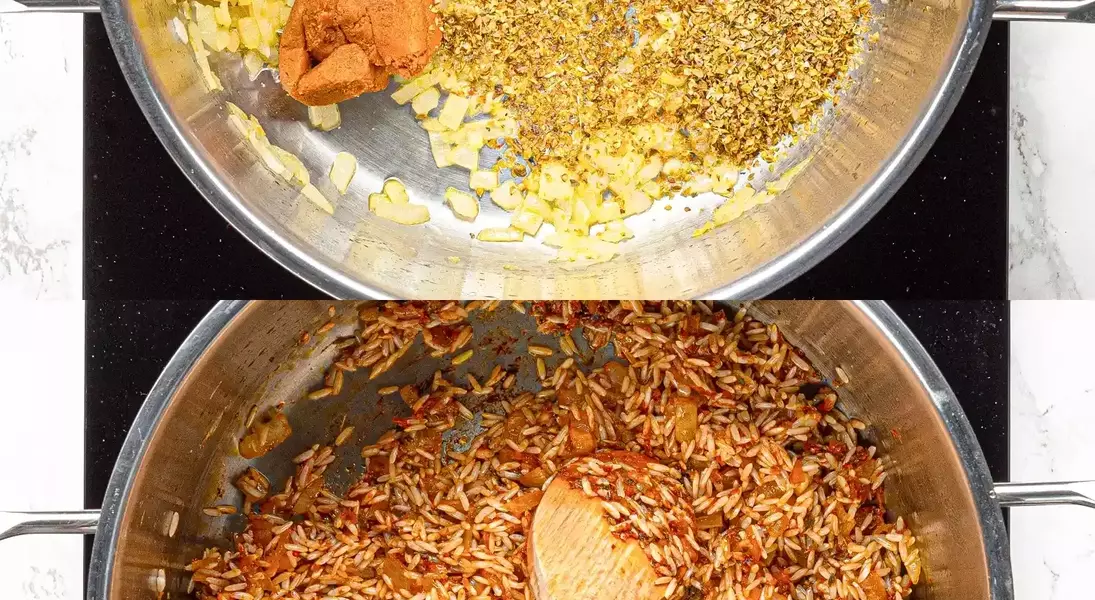
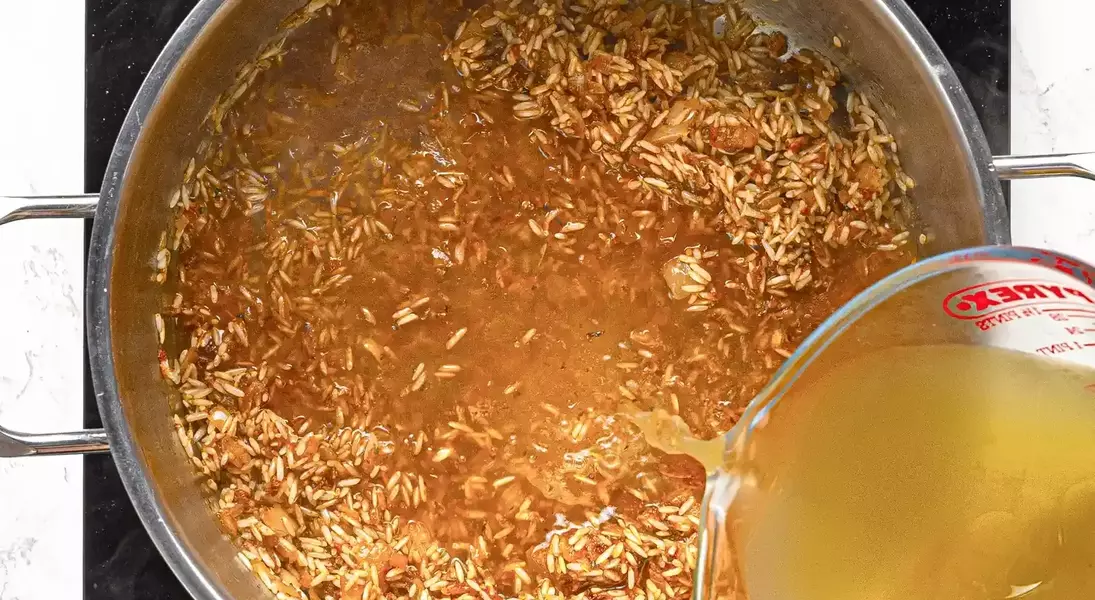
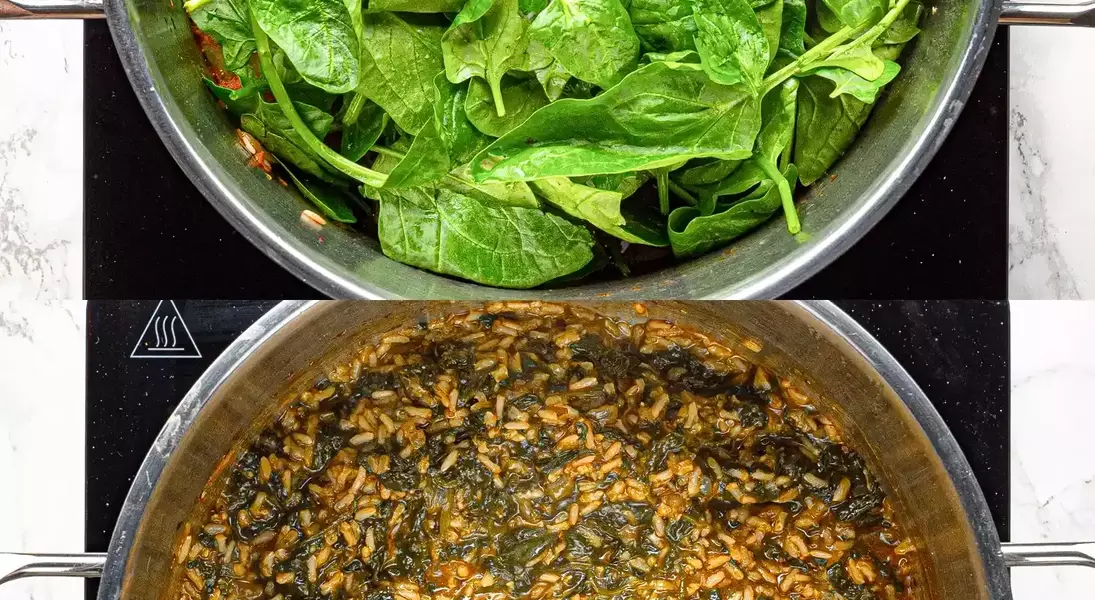
Spanakorizo, a beloved dish in Greek home cooking and a staple on taverna menus, perfectly exemplifies how simple ingredients can create a meal of surprising depth and comfort. This dish, blending rice, greens, olive oil, aromatics, and broth, transforms into a nuanced creation when prepared with care. Its signature lies in the tender rice and silky greens, enveloped in a light, savory sauce derived from reduced broth and the natural juices of the greens. Achieving the ideal texture, a spoonable consistency that's neither too dry nor too soupy, is key to its authentic charm. The dish is typically served with a drizzle of olive oil and a generous squeeze of lemon, balancing its rich flavors.
The success of Spanakorizo hinges on a few crucial elements: the choice of rice, the selection of greens, and the technique for achieving its characteristic saucy texture. Unlike a dry rice pilaf, authentic Greek Spanakorizo leans towards a lightly stewed consistency, where the ingredients meld together beautifully. This guide delves into these specifics, offering insights into selecting the appropriate grains that maintain their integrity, choosing a variety of greens to enhance flavor and texture, and mastering the cooking process to produce a dish that’s both hearty and refined. By focusing on these details, home cooks can recreate this comforting Greek classic, elevating humble ingredients into a quietly complex and satisfying meal.
Selecting the Ideal Rice for Authentic Spanakorizo
Choosing the correct rice is paramount for a successful Spanakorizo. Medium- or long-grain rice varieties are preferred because they maintain their distinct shape and tender texture even after extended cooking. Unlike short-grain rice, which can become sticky and clumped, these grains contribute to the dish's desired consistency—tender yet separate, allowing each grain to be lightly coated by the savory sauce without turning into a porridge. This structural integrity ensures the dish remains refined and visually appealing, distinguishing it from a simple rice pilaf.
While brown rice offers a nutty, earthy flavor and a heartier bite, white rice is also a suitable option, offering a milder taste. Even a wild rice blend can be incorporated for an adventurous twist. The primary objective is to achieve rice that is thoroughly cooked but not mushy, integrated seamlessly with the greens, and enveloped in a glossy, olive oil-rich sauce. If short-grain rice is used, adjust expectations for a softer, more cohesive outcome due to increased starch release. Regardless of the choice, the final dish should be spoonable, fluid, and never dry or excessively watery, striking a perfect balance between its components.
Optimizing Greens and Achieving Saucy Perfection
While spinach is the traditional green for Spanakorizo, incorporating a variety of seasonal greens significantly enhances both its flavor profile and textural complexity. A combination of mature spinach, chosen for its deeper flavor and robust stems, along with red Swiss chard for a touch of sweetness and vibrant color, and dandelion or beet greens for subtle earthiness, creates a harmonious blend. The finely chopped stems of these heartier greens add a delightful textural contrast. The natural bitterness often associated with greens like dandelion mellows considerably during the cooking process, transforming into a rich, savory depth as they simmer with olive oil, onion, and broth.
The hallmark of authentic Spanakorizo is its unique saucy texture, achieved by the synergistic cooking of rice and greens. As the greens wilt, they release moisture, which, combined with the broth, slowly reduces and emulsifies with olive oil. This process creates a light, flavorful coating that adheres to each grain of rice. The dish reaches perfection when most of the liquid has been absorbed, yet it retains a glossy, fluid appearance when stirred. When a spoon is dragged across the bottom of the pot, the brief glimpse of the pot's surface before the rice gently resettles is the visual cue for readiness, indicating a dish that is neither dry nor soupy, but perfectly saucy and comforting. Allowing the dish to rest off the heat, with the lid slightly ajar, further enriches its flavors and thickens the sauce to an ideal consistency.
