





This comprehensive guide delves into the art of creating exquisite homemade peanut butter chocolate eggs, a cherished delicacy especially during the Easter season. It addresses the common lament of individuals seeking gluten-free options for seasonal confections, offering a meticulous, step-by-step approach to crafting these treats at home. The process emphasizes selecting superior ingredients, utilizing appropriate tools such as candy molds, and crucially, allowing the peanut butter filling a two-day resting period to develop its rich, balanced flavor profile, reminiscent of popular commercial varieties.
The journey begins with the selection of a candy mold, an essential yet affordable tool, followed by choosing your preferred chocolate. The author suggests a high-quality confectionery coating as an alternative to tempered chocolate, ensuring a smooth, non-waxy finish. This is particularly beneficial for those looking to avoid the complexities of tempering while still achieving a delightful taste. The core of the treat, the peanut butter filling, requires a specific commercial peanut butter for optimal consistency, combined with confectioner's sugar and melted butter. This mixture, when chilled for two days, undergoes a transformative mellowing process, enhancing its resemblance to a classic peanut butter cup.
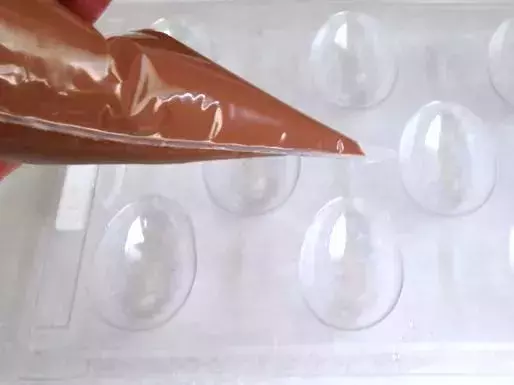
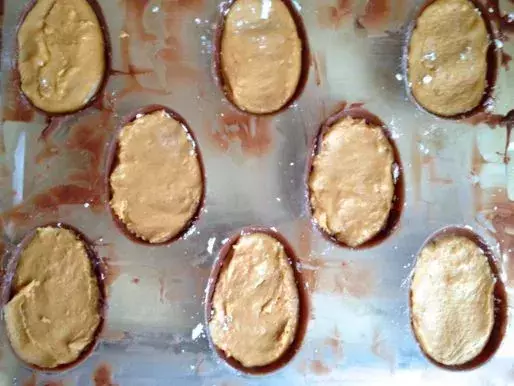
Once the filling is prepared, the assembly process involves lining a baking sheet with parchment paper and positioning the candy mold. Melted chocolate, piped into each cavity, forms the outer shell. A key technique involves inverting and shaking the mold to ensure an even coating, with any bare spots easily rectified. A quick sweep with a metal spatula removes excess chocolate, creating clean edges. After allowing the chocolate to set, the peanut butter filling is carefully pressed into each cavity, leaving a small margin at the top. This precision is vital for effective sealing and preventing overflow.
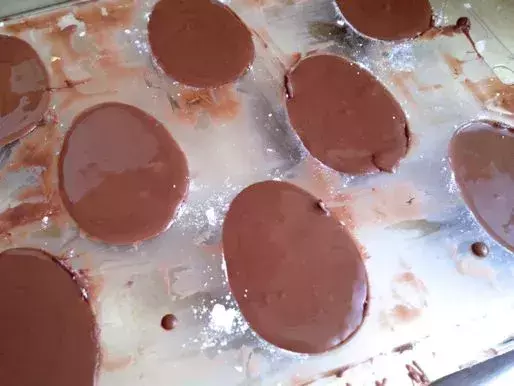
The final step involves capping the filled molds with more chocolate, using a zigzag pattern to ensure full coverage. Gentle tapping helps the chocolate settle and seal the eggs completely. After a brief chilling period, the completed eggs can be easily removed from the mold. Optional drizzles of extra chocolate add a decorative touch. These homemade confections can be stored at room temperature for up to two weeks, providing a long-lasting, delightful treat. The article concludes by encouraging home bakers to embrace this rewarding culinary endeavor, transforming a seasonal craving into a homemade masterpiece.
Creating these delightful treats at home offers a rewarding experience, allowing for customization and control over ingredients. The satisfaction of crafting a perfect peanut butter chocolate egg, tailored to your preferences, far outweighs the convenience of store-bought alternatives. This detailed guide ensures that even novice confectioners can achieve professional-quality results, making every Easter a little sweeter and more personalized.
