

In recent years, the concept of 'cozy gaming' has gained significant traction, often characterized by its calming pastel color palettes, charming chibi characters, and pixel-art styles. However, this article delves into a refreshing perspective, showcasing five games that deliver an undeniably cozy experience while deliberately eschewing these conventional aesthetic norms. It challenges the preconceived notions of what makes a game relaxing, proving that tranquility and comfort can be discovered in a variety of visual designs, from gritty urban landscapes to stylized medieval settings, and even post-apocalyptic worlds.
The author expresses a desire to move beyond the ubiquitous 'pastel apocalypse' that has come to dominate the cozy genre, seeking games that offer a visual respite while still providing that sought-after sense of calm. The selection consciously avoids soft color schemes, cutesy character designs, and even pixel art, aiming to broaden the definition of what constitutes a cozy game. This approach allows for a more inclusive understanding of the genre, where engaging mechanics and a soothing gameplay loop take precedence over saccharine visuals.
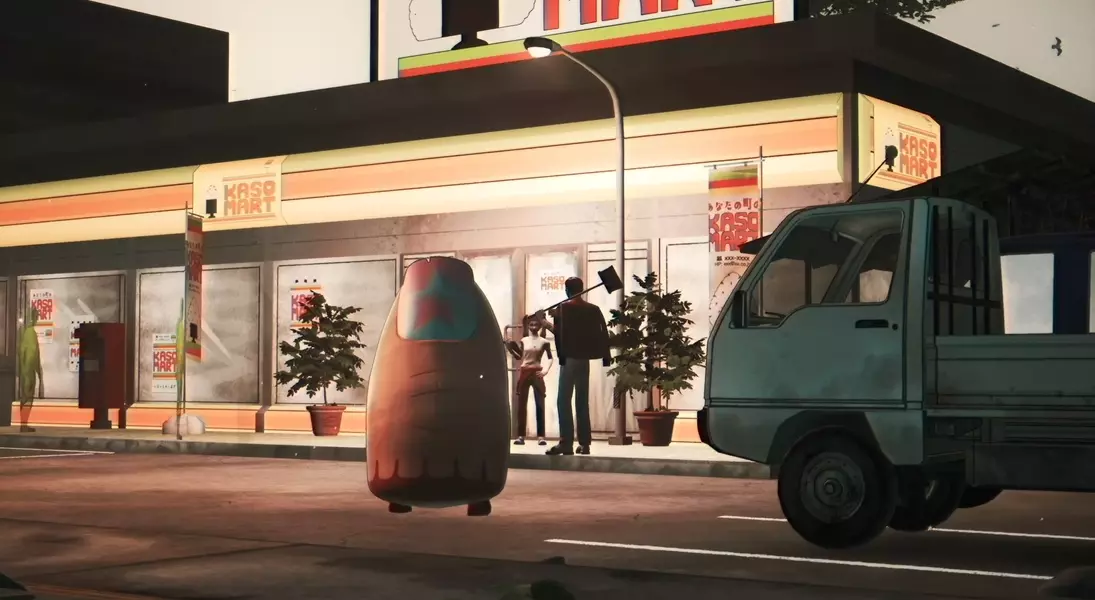
One such title is Promise Mascot Agency, a game that might initially appear far from cozy with its premise of an exiled Yakuza member and his unusual sidekick. Despite a street brawl opening, the core gameplay revolves around serene activities: driving an old truck, fostering community relationships, and assisting locals in revitalizing a struggling town. Players find themselves navigating high-stakes situations like rearranging boxes and countering a corrupt mayor, all within a surprisingly tranquil and fulfilling management and exploration framework.
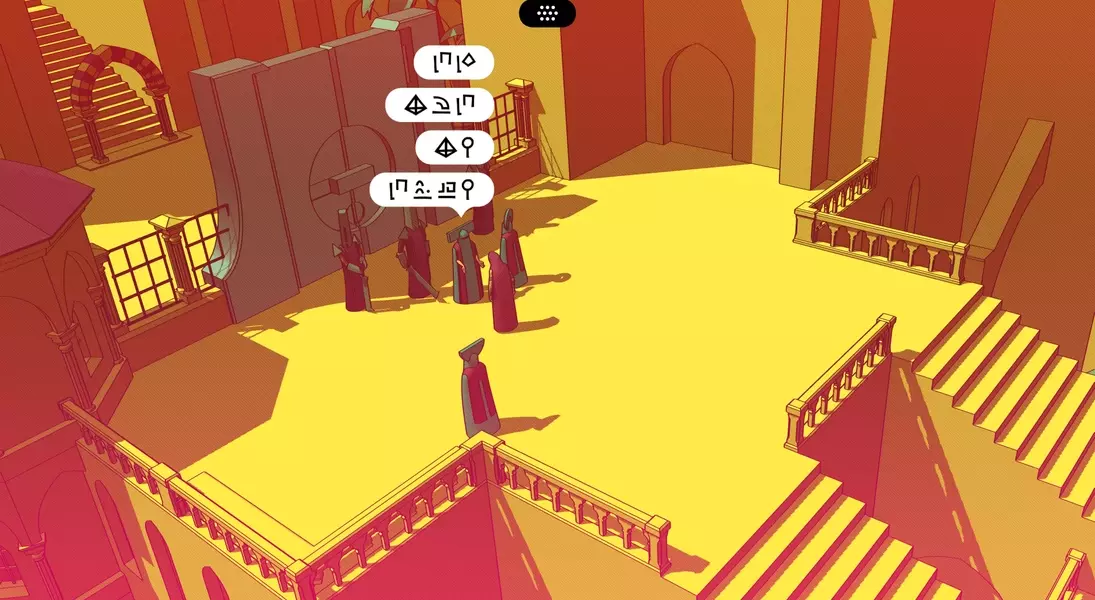
Another unexpected entry is Chants of Sennaar, a puzzle adventure that, while not entirely devoid of a certain stylistic charm, sidesteps the usual pastel aesthetic. Here, the coziness stems from the deeply immersive experience of learning fictional languages. Players begin by deciphering simple greetings and gradually progress to understanding complex grammatical structures through context. The satisfaction derived from each successful translation and the exploration of a mysterious tower, meticulously taking notes in an in-game journal, offers a uniquely calming and intellectually stimulating experience.
The article also introduces Project Zomboid, which in its default mode is a tense survival horror game. However, by disabling zombies, it transforms into a peaceful, slow-paced survival simulator. Players can build a self-sustaining life in a post-societal Kentucky, finding abandoned homes, cultivating gardens, crafting furniture, cooking meals, and siphoning gas. This customization allows for a surprisingly tranquil and engaging experience of self-sufficiency and resource management.
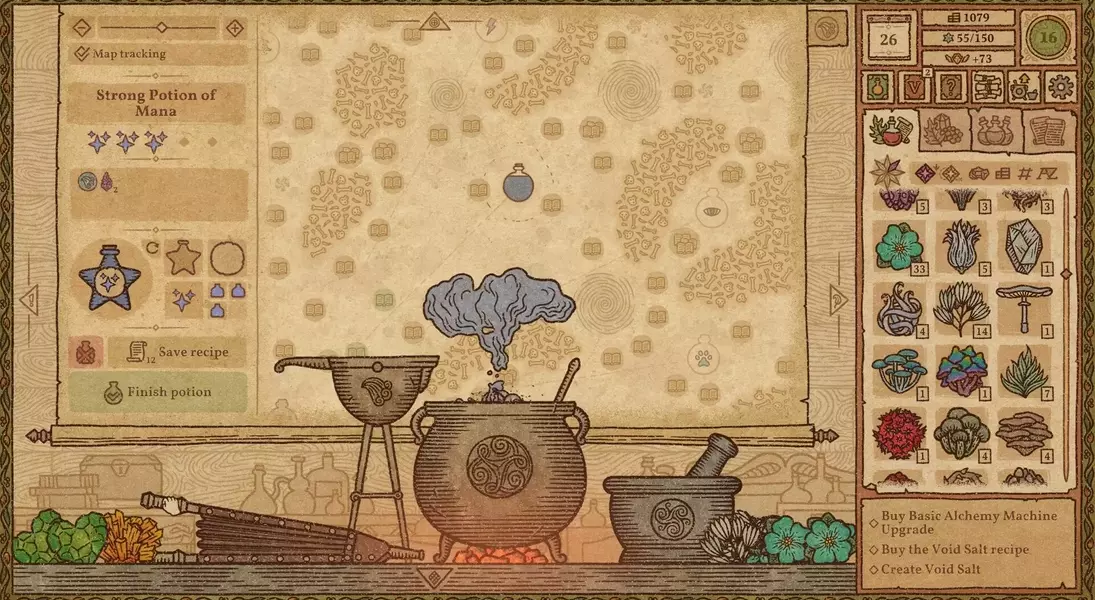
Potion Craft is presented as a crafting-focused cozy game with a distinct illuminated manuscript visual style. Players engage in tactile potion-making, from crushing herbs with a mortar and pestle to carefully pouring water and using bellows. This immersive crafting process, combined with the satisfaction of discovering new recipes and meticulously organizing one's inventory, creates a deeply engaging and soothing experience that sets it apart from other shop simulators.
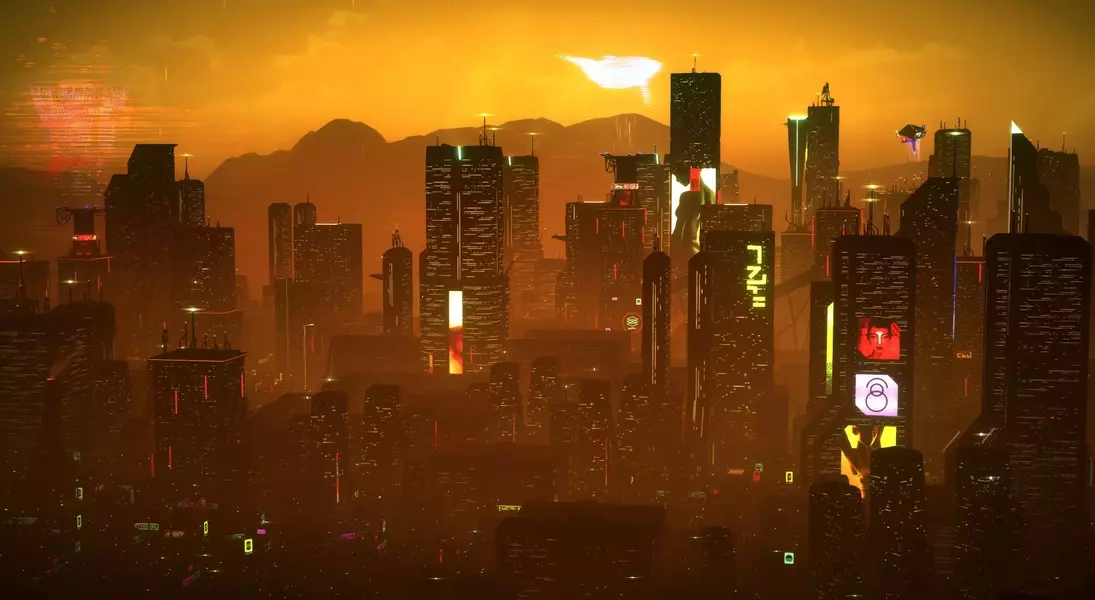
Finally, Dystopika offers a stark contrast to traditional cozy aesthetics with its cyberpunk city-building premise. While other similar games focus on charming seaside towns, Dystopika allows players to construct a sprawling, dark, and moody dystopian metropolis. Despite its visually imposing theme, the game provides the same low-stakes, high-creative-freedom experience found in other building toys, complete with procedural generation of massive power cables, flying cars, and striking light pollution. Players can even customize billboards with their own images, adding a personal touch to their dystopian creation.
This diverse collection of games demonstrates that the essence of 'cozy' gaming extends beyond superficial visual elements. It is instead rooted in engaging gameplay loops, a sense of progression, creative freedom, and an overall calming experience that allows players to unwind and find joy in virtual worlds, regardless of their artistic presentation.
