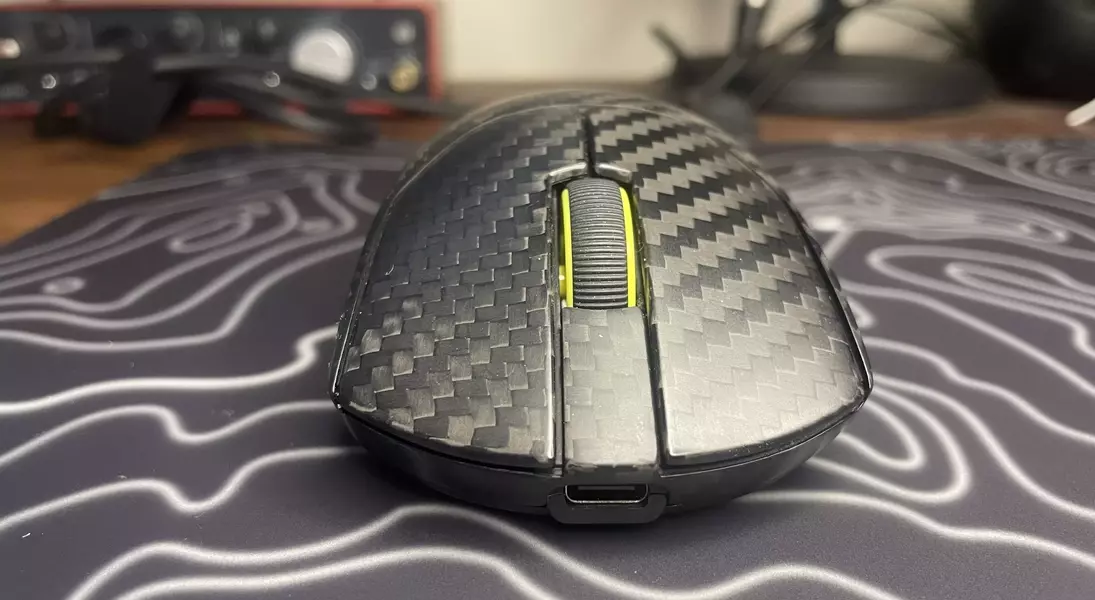




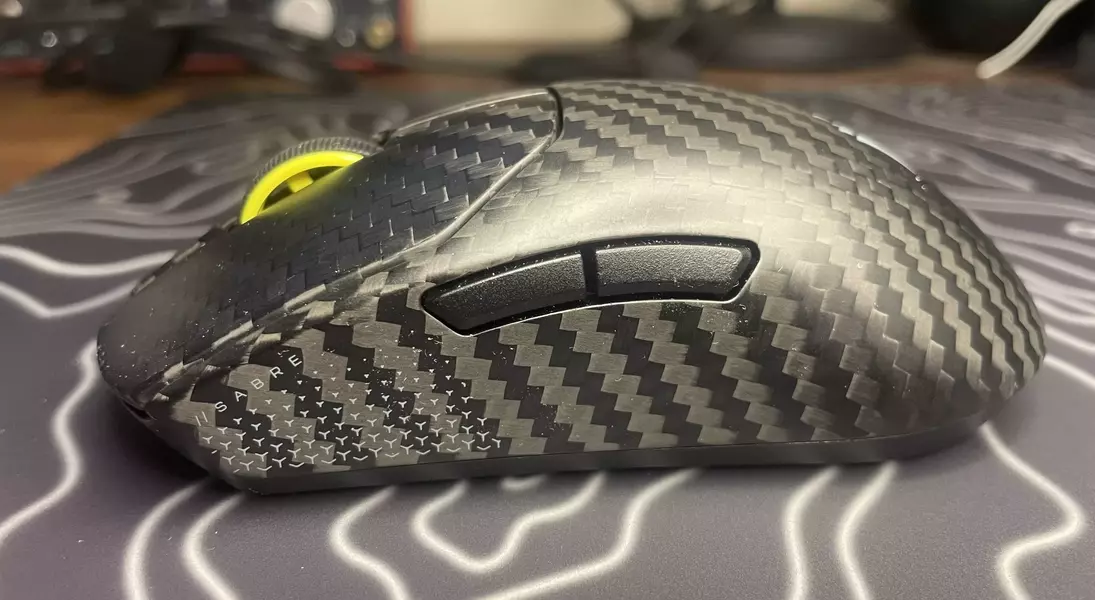
The Corsair Sabre V2 Pro Wireless CF mouse presents a paradox: while boasting a strong build, superior sensor capabilities, and ergonomic design, its significantly elevated price point and a heavier profile than its predecessor prompt a critical evaluation of its market position. This peripheral aims to cater to a niche segment of gamers prioritizing durability above all else, but its cost-effectiveness becomes a major point of contention when weighed against its benefits and competitive offerings.
Last year, the standard Corsair Sabre V2 Pro distinguished itself with an incredibly light 36-gram design and solid construction, all at an accessible price of $100, outperforming many premium ultralight mice. This made it a compelling choice for enthusiasts seeking both performance and value. However, Corsair's subsequent introduction of carbon fiber and magnesium alloy versions, particularly the carbon fiber model at an astounding $200, has shifted the conversation from innovation to justification. This new iteration comes with a hefty $100 premium over the original, making it one of the most expensive gaming mice available, surpassing even advanced models like the Logitech G Pro X2 Superlight which offers cutting-edge haptic-inductive clicks for less.
The primary argument for the carbon fiber version's elevated cost centers on its supposedly superior strength-to-weight ratio. Corsair posits that this material ensures robust durability without adding significant mass. Yet, paradoxically, the carbon fiber model weighs 19 grams more than its non-CF counterpart, casting doubt on the material's supposed advantage in maintaining a lightweight profile. While the carbon fiber shell undeniably feels exceptionally sturdy, comfortably withstanding considerable pressure, this enhanced rigidity comes at a steep price. For the average user who doesn't subject their mouse to extreme physical stress, a standard, well-built mouse would suffice, offering substantial savings without compromising daily performance.
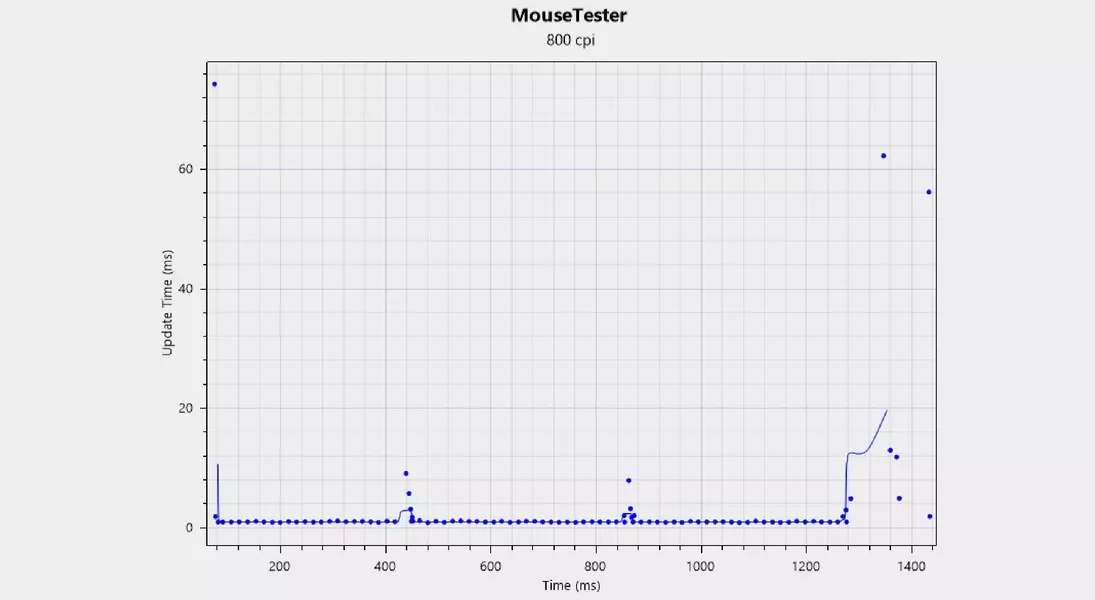
Beyond the controversial carbon fiber shell, the mouse incorporates several commendable features. Its sensor performance, mirroring that of the original Sabre V2 Pro, is a standout, delivering remarkably consistent and precise tracking even wirelessly—a rare feat in the realm of gaming peripherals. The inclusion of an extended 120-hour battery life and Bluetooth connectivity adds to its versatility. However, the retention of mechanical switches instead of more durable optical alternatives, typically resistant to issues like double-clicking, seems an odd choice for a product emphasizing durability. Similarly, the standard UPE feet, while functional, lack the swift glide offered by PTFE skates, another area where a premium product might have sought improvement, despite UPE's potential for greater longevity.
The accompanying web-based software is praised for its responsiveness and ease of use, eliminating the need for constant background applications. However, its interface is rather basic, lacking the extensive customization options found in some competitors' software, such as sensor rotation adjustments. A notable drawback is the current inability to configure mouse settings via local iCue software, restricting users to the web platform and potentially posing an issue if internet access is unavailable. Ultimately, while the Corsair Sabre V2 Pro Wireless CF delivers on core performance metrics and boasts impressive durability, its $200 price tag remains a significant barrier for most consumers. Unless extreme robustness is an absolute priority, more affordable options like the Logitech Superlight 2 or Superstrike provide comparable or superior performance at a better value, rendering the carbon fiber's premium appeal largely niche.
