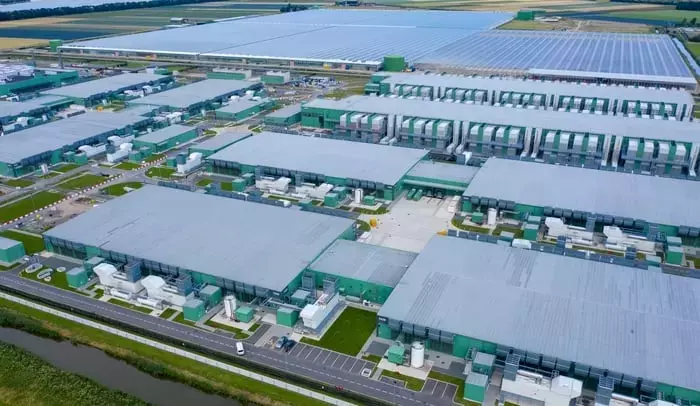
A significant acquisition agreement valued at approximately $9 billion, involving CoreWeave and Core Scientific, currently faces considerable uncertainty. The proposed deal, structured as an all-stock transaction, is designed to significantly enhance CoreWeave's capabilities in the realms of artificial intelligence (AI) and high-performance computing infrastructure. However, recent market performance of CoreWeave's shares has introduced substantial challenges, prompting concerns among investors and key stakeholders regarding the future of this strategic merger.
Crucial Developments in the Proposed Acquisition
On a recent Tuesday afternoon, September 2, 2025, CoreWeave's stock experienced a notable decline, dropping by approximately 11% by 1:25 p.m. Eastern Time. This sharp downturn comes in the wake of the company's second-quarter earnings announcement on August 12, which reportedly fell short of investor expectations, leading to a cumulative decrease of nearly 40% in CoreWeave's share price since that date. The ripple effect of this diminished valuation directly impacts the proposed acquisition of Core Scientific, a move intended to expand CoreWeave's data center infrastructure for AI and cryptocurrency mining.
The critical vulnerability lies in the all-stock nature of the deal. Originally conceived to circumvent additional debt accumulation, this structure means the fluctuating value of CoreWeave's shares directly influences the perceived worth of the acquisition for Core Scientific's shareholders. This precarious situation has already prompted a forceful objection from Two Seas Capital, a prominent alternative investment management firm and the largest active shareholder in Core Scientific, holding approximately 6.3% of the company. Their public opposition, coupled with the continued depreciation of CoreWeave's stock, indicates a potential renegotiation of terms or, more drastically, the collapse of the entire transaction. Furthermore, CoreWeave's financial commitments include a substantial investment exceeding $6 billion towards a new, cutting-edge data center in Pennsylvania, underscoring the company's aggressive growth strategy amidst these acquisition complexities.
From an observer's viewpoint, this unfolding scenario highlights the intricate dance between corporate ambition and market realities. While CoreWeave's vision to dominate the AI and high-performance computing landscape is clear, the choice of an all-stock acquisition, though strategically sound in theory for debt avoidance, exposed the company to significant market volatility. The sharp decline in share price serves as a stark reminder of how quickly investor sentiment can shift, particularly when linked to earnings performance and the perceived value of a deal. This situation also underscores the power of large institutional shareholders in influencing corporate strategies. Their dissatisfaction can force a re-evaluation of terms, potentially altering the financial landscape of the acquiring entity. Ultimately, the outcome for CoreWeave and Core Scientific will be a compelling case study on the delicate balance of growth, valuation, and stakeholder expectations in high-stakes corporate maneuvers.
