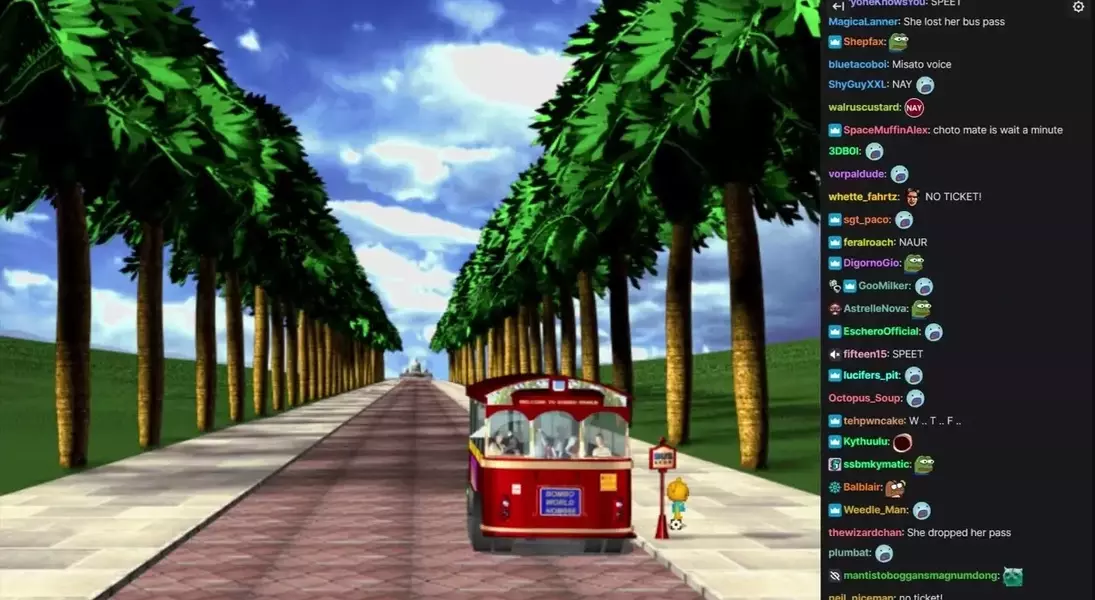
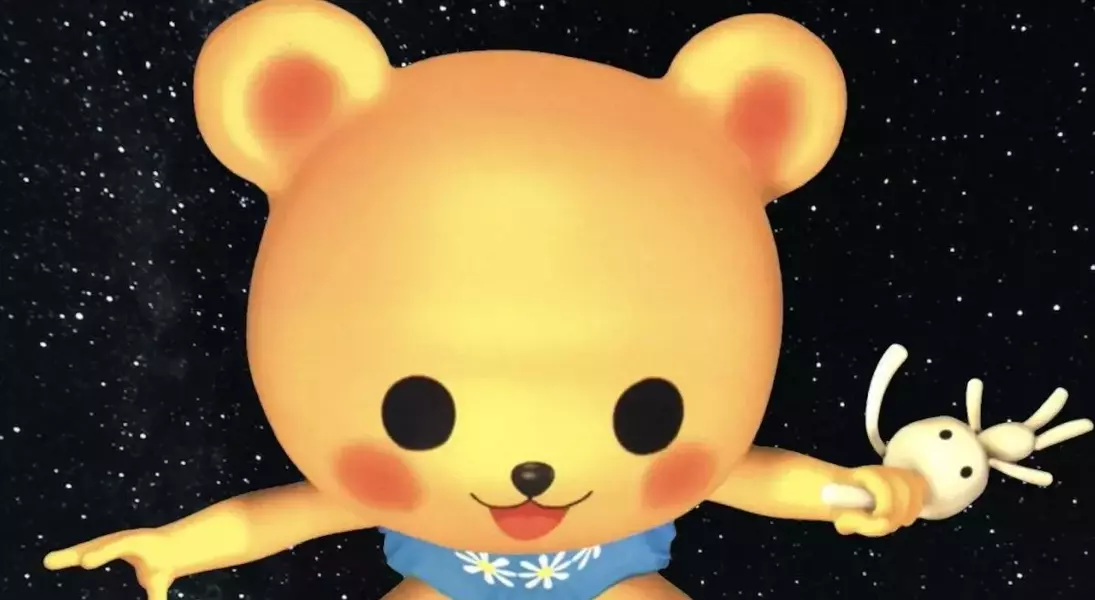
A long-standing legal dispute concerning the Japanese cult classic video game, 'Cookie's Bustle,' has reached a resolution. The Video Game History Foundation (VGHF) recently announced its success in challenging a company's dubious copyright claims that had for years kept much of the game's content off the internet. This victory not only safeguards the historical record of this unique title but also sets a precedent against the misuse of copyright enforcement mechanisms.
'Cookie's Bustle,' originally launched in 1999 by the now-defunct studio Rodik, is an unusual point-and-click adventure game. Players follow the journey of a five-year-old girl transformed into a teddy bear, navigating a peculiar world involving aliens, strange songs, and even jail time. Despite its obscurity, the game garnered a small but dedicated following. However, its online presence, including playthrough videos and fan creations, was consistently targeted by a company named Graceware through DMCA (Digital Millennium Copyright Act) takedown notices.
Graceware's strategy involved sending numerous takedown requests to platforms and individuals, who often lacked the resources or legal understanding to challenge these claims. This effectively erased much of 'Cookie's Bustle' from public view. The situation changed when the VGHF, an organization dedicated to preserving video game history, acquired a physical copy of the game and began archiving its content digitally. Upon receiving multiple takedown notices for their archival efforts, the VGHF, armed with a specialized legal team, decided to push back.
Phil Salvador, the library director at VGHF, conducted an in-depth investigation into Graceware's copyright assertions. His findings revealed that Graceware's claims were based on registrations of the game's source code, concept, and character designs with an entity called Interoco. Salvador highlighted that Interoco functions similarly to a post office date-stamping service, offering little to no actual legal validation of intellectual property ownership. This meant Graceware's supposed copyright was, in essence, an 'orphan work,' as the original developer, Rodik, no longer existed and its members were untraceable.
Furthermore, Graceware attempted to trademark the name 'Cookie's Bustle' in December 2022 but struggled to provide evidence of commercial use, consistently filing extensions for their claim. The VGHF's legal team contacted Ukie, the organization that had been processing Graceware's DMCA requests, and presented their comprehensive findings. The evidence of Graceware's invalid copyright claims was compelling. Consequently, Ukie ceased providing its automated DMCA takedown services to Graceware.
This outcome has been met with enthusiasm across the internet, leading to a resurgence of 'Cookie's Bustle' content, including fan art and video clips showcasing its most bizarre moments. The ability to document and share such unique cultural artifacts without fear of unjustified legal repercussions is crucial for preserving the rich and diverse history of video games.
