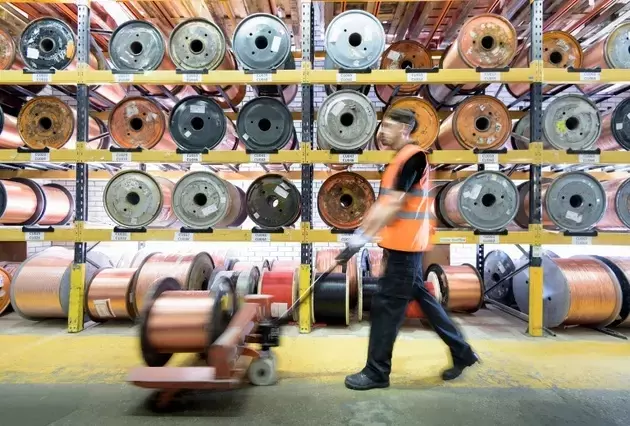
The copper market is facing an imminent structural imbalance, with demand projected to outstrip supply, leading to a potential surge in prices. This dynamic positions copper miner exchange-traded funds (ETFs) as compelling long-term investments, offering diversified exposure to a sector poised for growth. The confluence of increasing global electrification, expansion in renewable energy initiatives, and the burgeoning data center infrastructure required by artificial intelligence is fueling an unprecedented demand for copper. Simultaneously, projections indicate that the peak in mine supply is on the horizon, potentially as early as 2030, setting the stage for a significant market squeeze.
Copper, often referred to as the “Eternal Metal,” has been an indispensable commodity throughout human history, with its demand consistently escalating over centuries. The current landscape suggests this trend will continue, with new applications further amplifying its importance. The fundamental principle at play is straightforward: as demand for a finite resource intensifies and its availability plateaus, its market value tends to appreciate. This scenario is particularly favorable for copper mining companies, as higher copper prices translate directly into enhanced profitability due to operational leverage. ETFs focused on these miners, such as COPX, COPJ, COPP, and ICOP, provide investors with a strategic avenue to capitalize on this trend, spreading risk across multiple assets and geographical locations, thereby reducing the impact of any single operational or regulatory setback.
The surge in copper demand is not merely speculative; it is rooted in tangible global shifts. The aggressive push towards electric vehicles (EVs) and charging infrastructure requires vast quantities of copper, significantly more than traditional internal combustion engine vehicles. Similarly, the transition to renewable energy sources like solar and wind power necessitates extensive copper wiring and components for generation, transmission, and storage. Furthermore, the rapid growth of AI and its foundational data centers are creating a new, substantial demand vector for copper, which is critical for efficient data processing and cooling systems. These macroeconomic tailwinds collectively ensure a sustained and elevated demand for the metal.
However, investing in commodities and related sectors always comes with inherent risks. The copper market is no exception. Price volatility remains a primary concern, influenced by global economic cycles, speculative trading, and currency fluctuations. Operational costs, including labor, energy, and environmental compliance, can also impact miners' profit margins. Moreover, the mining industry is subject to regulatory changes, geopolitical tensions, and potential disruptions in supply chains, all of which can affect production and pricing. Despite these challenges, the diversified nature of copper miner ETFs offers a degree of insulation, spreading risk across various companies and regions, thus providing a more resilient investment profile compared to holding individual mining stocks.
In summary, the long-term outlook for copper and copper mining investments appears robust, driven by a powerful demand surge and anticipated supply constraints. The structural shift towards electrification, renewable energy, and AI infrastructure creates a compelling investment thesis for copper. By investing in a diversified portfolio through ETFs, investors can mitigate some of the inherent risks associated with commodity markets and individual mining operations, positioning themselves to benefit from the projected appreciation in copper prices.
