
The political landscape is currently dominated by two significant narratives: the contentious nomination of Dr. Casey Means as Surgeon General and a series of complex international developments. Dr. Means, known for her critical stance on conventional medicine, is undergoing a rigorous confirmation process, where her views on public health, including vaccine skepticism and alternative treatments, are under intense scrutiny. Concurrently, global affairs are marked by heightened tensions, including the deployment of advanced U.S. military assets, crucial diplomatic dialogues between the U.S. and Ukraine, and a notable disagreement between the leaders of the U.S. and Mexico regarding a recent anti-cartel operation.
These events underscore a period of profound reevaluation and strategic maneuvering, both domestically and internationally. The debate surrounding Dr. Means's qualifications and medical philosophy highlights a broader societal discussion on healthcare trust and the direction of public health policy. On the world stage, the unfolding diplomatic efforts and military posturing reflect intricate power dynamics and ongoing challenges in maintaining global stability and addressing cross-border issues like organized crime and regional conflicts.
Dr. Casey Means's Contentious Nomination for Surgeon General
Dr. Casey Means, a prominent wellness advocate and entrepreneur, is currently undergoing Senate confirmation to become the next Surgeon General, a role that would position her as a leading figure in the nation's mainstream medical system, despite her vocal criticisms of it. A Stanford School of Medicine graduate and former biomedical researcher, Dr. Means has championed healthy eating and exercise, aligning with broader health goals. Her extensive social media presence and popular newsletter have made her adept at public health communication. However, her unconventional views, including skepticism about certain vaccines, debunked claims linking vaccines to autism, and opposition to raw milk bans, have drawn significant scrutiny. Critics question her suitability for the role, particularly given her inactive medical license and past abandonment of a surgical residency due to disillusionment with conventional medicine's focus on treating rather than preventing illness. Her supporters, however, view her as a necessary disruptor who can address chronic disease effectively by focusing on root causes and lifestyle interventions.
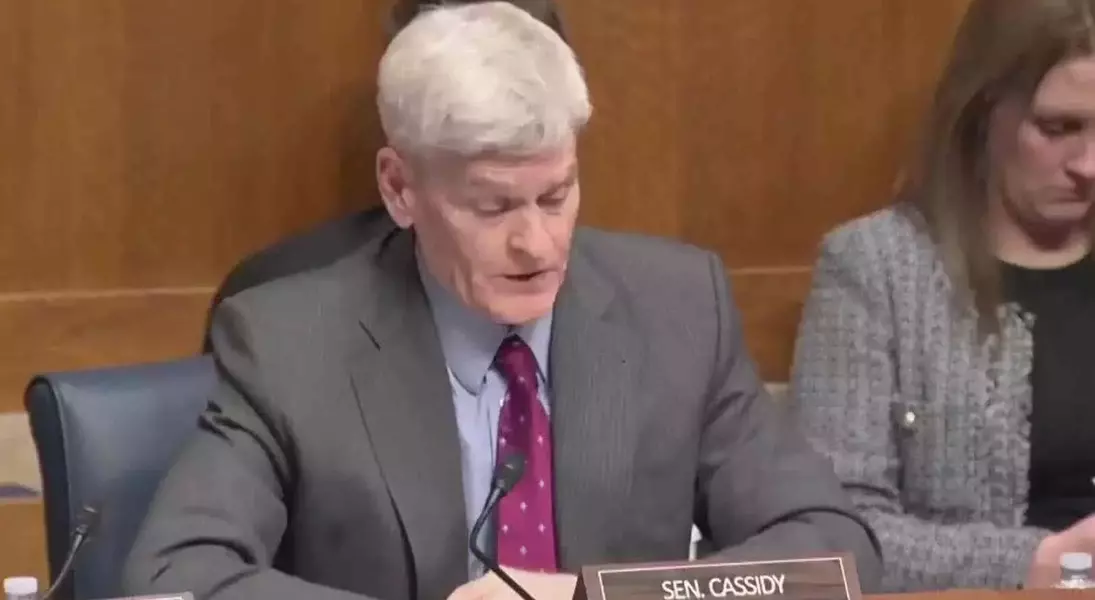
During her confirmation hearings, Dr. Means has faced detailed questions regarding her medical license status, her past personal use of psychedelics, and her stance on vaccines and pesticides. She clarified that her medical license is voluntarily inactive as she is not actively seeing patients and does not plan to reactivate it for the Surgeon General role. While acknowledging promising research into psychedelic therapy for mental health conditions like PTSD, she firmly stated she would not endorse illicit drug use for the general public. On the issue of pesticides, she navigated a delicate balance, expressing respect for American farmers while advocating for a long-term shift away from toxic chemicals in the food supply for public health. Regarding vaccines, she emphasized support for vaccination but called for thorough doctor-patient discussions and acknowledged the administration's ongoing study into autism's causes, suggesting it remains an open question. Critics, including Dr. Richard Carmona, a former Surgeon General, argue that her lack of active medical practice and her unconventional views disqualify her, fearing her appointment could erode public trust in established medical science and legitimize potentially unscientific ideas.
Geopolitical Tensions and Diplomatic Endeavors
Recent international events reveal a complex web of geopolitical maneuverings and diplomatic engagements. The United States has reinforced its military presence in the Middle East by deploying F-22 Raptor fighter jets to Israel, a strategic move preceding critical negotiations with Iran concerning its nuclear program. This deployment, captured in flight tracking data and videos, signals a more assertive U.S. stance and a potential willingness to act if diplomatic solutions falter. Meanwhile, U.S. and Ukrainian officials are preparing for renewed talks in Geneva, aiming to discuss Ukraine's recovery package and set the stage for trilateral discussions with Russia. These talks follow a previous round that showed little progress, highlighting the persistent challenges in resolving the conflict in Ukraine. Separately, a notable disagreement has emerged between the U.S. and Mexican presidents concerning a recent anti-cartel operation in Mexico, with conflicting accounts of U.S. involvement and credit for the mission's success.
The State of the Union address further amplified these international and domestic policy debates. President Trump utilized his speech to critique Democrats on issues such as crime, immigration, and the economy, offering a positive outlook on the U.S. economy that drew counter-arguments from Democrats. Virginia Governor Abigail Spanberger delivered her party's rebuttal, accusing Trump of detrimental economic policies and sowing chaos. Amidst the political sparring, significant legislative hurdles emerged, particularly in the Senate, where Democrats blocked a Department of Homeland Security funding bill. They insisted on incorporating new restrictions on immigration enforcement, which Republicans opposed, leading to a continued stalemate and potential disruptions to federal agency operations. This confluence of military deployments, intricate peace negotiations, bilateral disagreements, and domestic political gridlock underscores a volatile period demanding careful navigation from all parties involved.
