The United States housing market is currently grappling with a severe and escalating shortage of available homes. Reports indicate that by 2025, the deficit of housing units in the country surpassed 4 million, a figure that continues to grow due to insufficient construction rates relative to buyer demand. This persistent imbalance between supply and demand is a major contributor to the sustained increase in housing prices, making homeownership an increasingly challenging prospect for many. The ripple effects extend beyond individual buyers, impacting overall inflation rates and influencing the Federal Reserve's decisions on interest rates, while also curtailing broader consumer spending.
Understanding the Persistent Housing Inventory Crisis
The scarcity of available housing inventory represents a fundamental challenge for the US real estate sector. In 2025, the gap between housing supply and demand deepened significantly, with Realtor.com reporting a need for an additional 4 million homes. This shortfall is largely attributed to construction starts failing to keep pace with the formation of new households, a trend that has exacerbated the problem over the past decade. The limited availability of homes restricts consumer choice and grants sellers greater leverage, allowing them to maintain higher asking prices. This dynamic not only contributes to an affordability crisis but also has broader economic implications, fueling inflation and influencing monetary policy decisions by the Federal Reserve.
The impact of this inventory crisis is felt across various demographics and regions. For instance, the National Association of Realtors has highlighted how low supply has propelled median existing-home sales prices to record highs. The issue is particularly pronounced in the Southern states, where an estimated 1.62 million additional homes are required to satisfy current demand. While the Northeast has historically faced the most severe and prolonged housing shortages, it showed a slight improvement in 2025, suggesting regional variations in the crisis. The persistent imbalance has left many aspiring homeowners on the sidelines, underscoring the urgent need for a strategic and sustained increase in housing development.
Construction Levels and Affordability Challenges
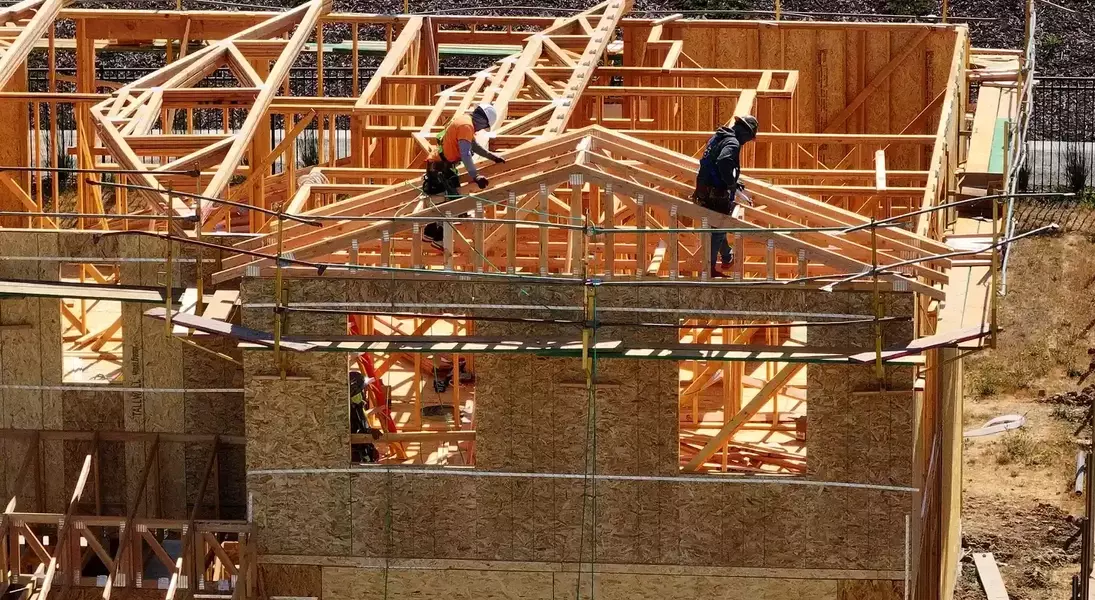
Despite an uptick in housing completions in 2025 compared to historical averages, the pace of construction remains insufficient to bridge the existing housing deficit. Realtor.com's analysis suggests that, at current rates, it would take approximately seven years to effectively close the inventory gap. This highlights a critical disconnect between building activity and market needs, indicating that current construction efforts are neither rapid nor targeted enough to significantly alleviate the supply shortage. The slow pace of new development continues to place upward pressure on home prices, further exacerbating affordability issues for potential buyers, especially young adults and first-time homeowners.
The chronic housing shortage has also led to a phenomenon of "unformed households," particularly among the 18-to-44 age group. In 2025, an estimated 1.8 million households failed to materialize due to the prohibitive costs associated with housing. This means a significant portion of young adults are compelled to live with parents, extended family, or roommates, rather than establishing independent residences. Although the median income required to afford a home saw a modest improvement to $86,000 in 2025, this figure remains out of reach for many in the younger demographic. The broader economic consequences include reduced discretionary spending, as a larger portion of income is allocated to housing, ultimately hindering overall economic growth and consumer confidence.
