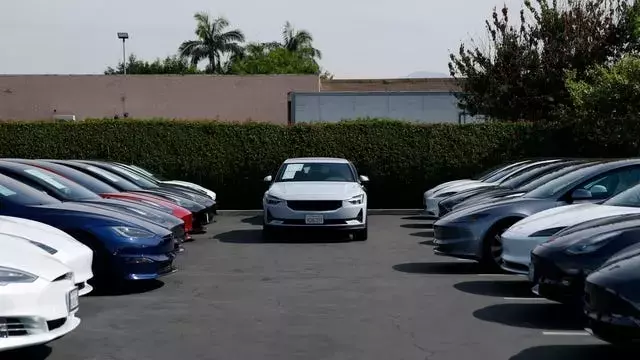
The market for pre-owned electric vehicles (EVs) presents a compelling alternative to purchasing a brand-new model, particularly given the significant price reductions. For example, a slightly used Honda Prologue can be acquired for thousands less than its new counterpart. This trend extends across various EV models, offering substantial savings for those considering the shift to electric. However, transitioning to a used EV involves unique considerations beyond initial cost savings, encompassing aspects like vehicle upkeep, the intricate details of the powertrain, and the specifics of warranty provisions.
Maintaining Your Electric Vehicle: What to Expect
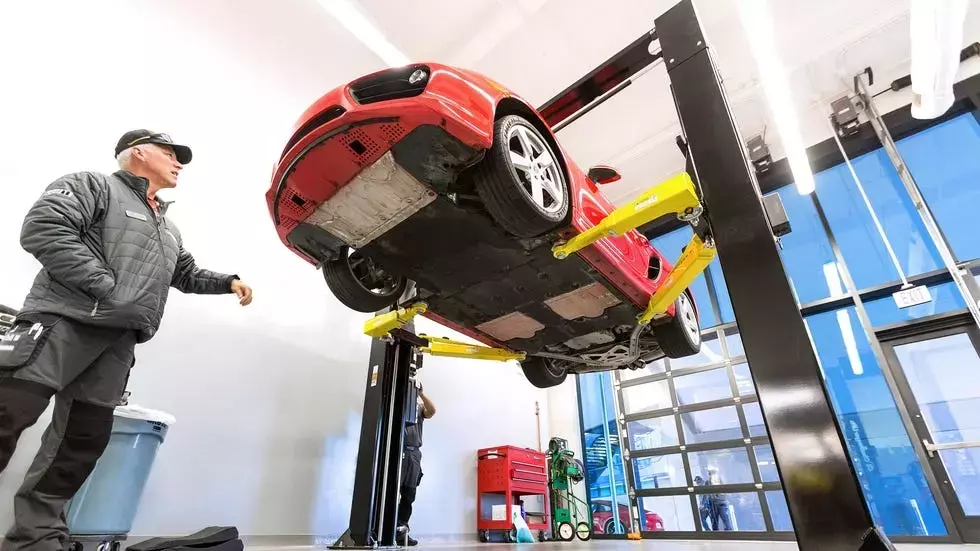
Maintaining an electric vehicle generally involves less hassle compared to its gasoline-powered counterparts. The focus shifts from traditional engine-related tasks to routine checks of components like tires, cabin air filters, and windshield wipers. These items are subject to wear and tear regardless of propulsion type, making their regular inspection and replacement crucial for optimal vehicle performance and safety. The simplicity of EV maintenance is a significant advantage, reducing both the frequency and complexity of service appointments for owners.
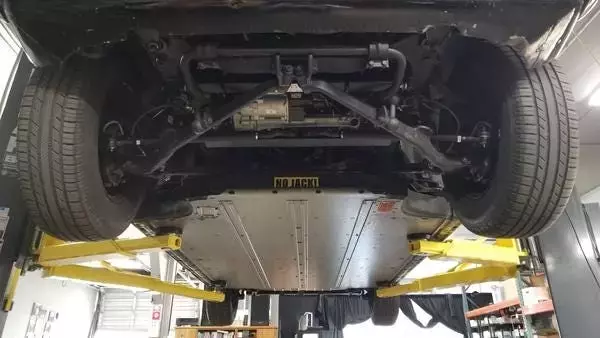
While most maintenance for an EV is straightforward, a specific procedure involves the coolant system for liquid-cooled batteries, a feature standard in nearly all modern electric vehicles. Unlike the frequent oil changes required by internal combustion engines, this coolant flush and replacement is a far less common task, typically performed after tens of thousands of miles. This process is more akin to changing spark plugs in terms of its infrequent necessity, highlighting the extended service intervals and reduced routine maintenance demands of electric powertrains. The overall maintenance regimen for EVs is designed to be minimal, allowing owners to enjoy a more streamlined and cost-effective ownership experience.
Understanding the Simplicity of EV Powertrains and Warranty Coverage
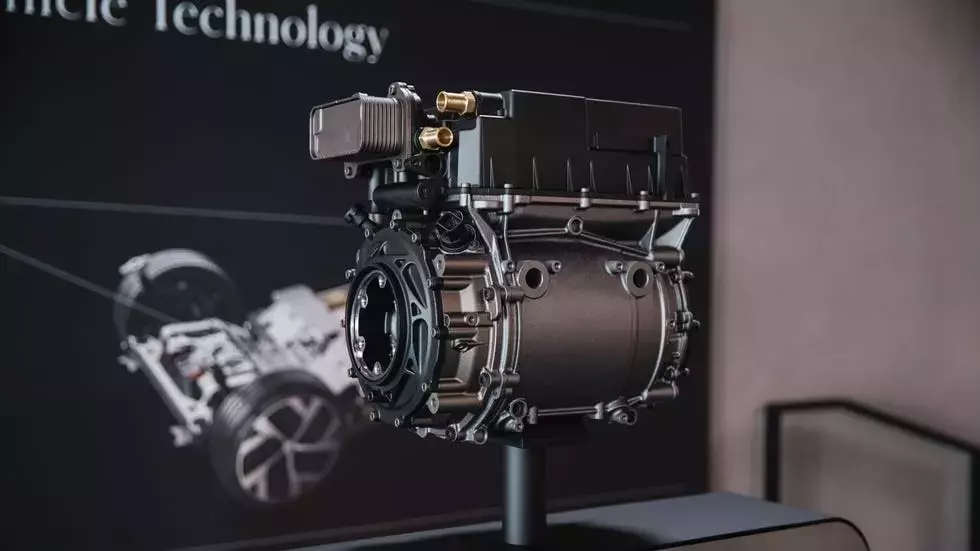
Electric vehicle powertrains are inherently less complicated than gasoline engines, leading to a reduced likelihood of mechanical issues. The design of electric motors, with fewer moving parts, simplifies the diagnostic and repair process should a problem arise. This mechanical simplicity translates into greater reliability and potentially lower repair costs over the vehicle's lifespan, contrasting sharply with the complex internal combustion engines that often require more intricate and costly interventions. The streamlined nature of EV drivetrains offers a distinct advantage in terms of long-term operational efficiency.
Warranty coverage for EVs, especially concerning the battery, often surpasses that of conventional vehicles. Federal regulations mandate a minimum of eight years or 100,000 miles for battery warranties, a standard that typically exceeds the powertrain warranties offered on many internal combustion models. When considering a pre-owned EV, assessing the battery's health is crucial. While some dealerships might provide battery health reports, prospective buyers can also utilize compatible apps for self-assessment. Furthermore, inquiring whether the vehicle was acquired from a wholesaler like Manheim Auctions, which provides comprehensive battery health assessments, can offer valuable insights into the battery's condition without additional cost.
