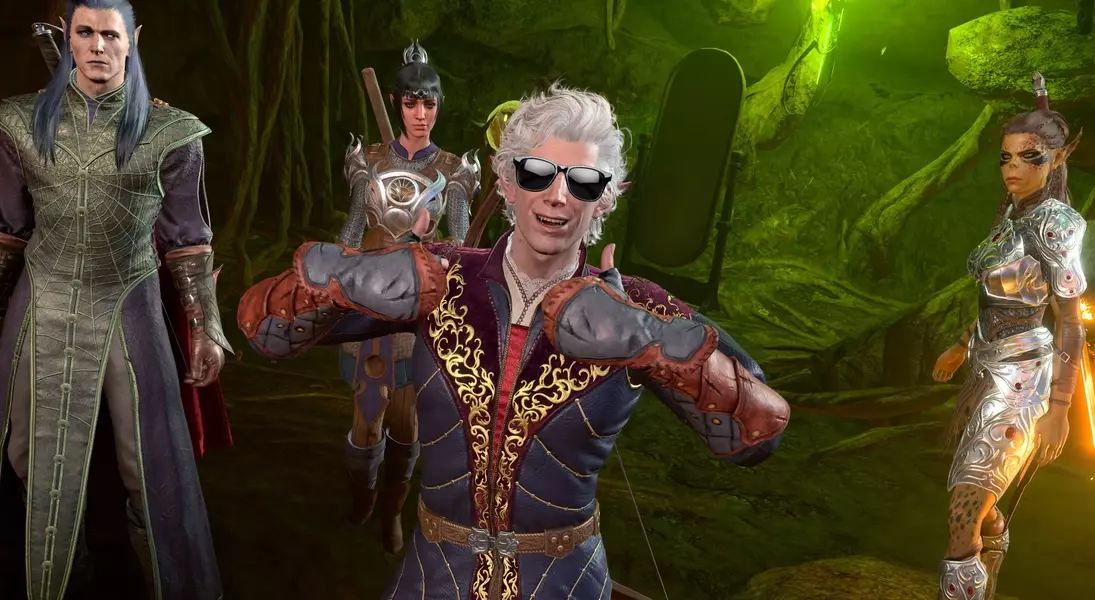
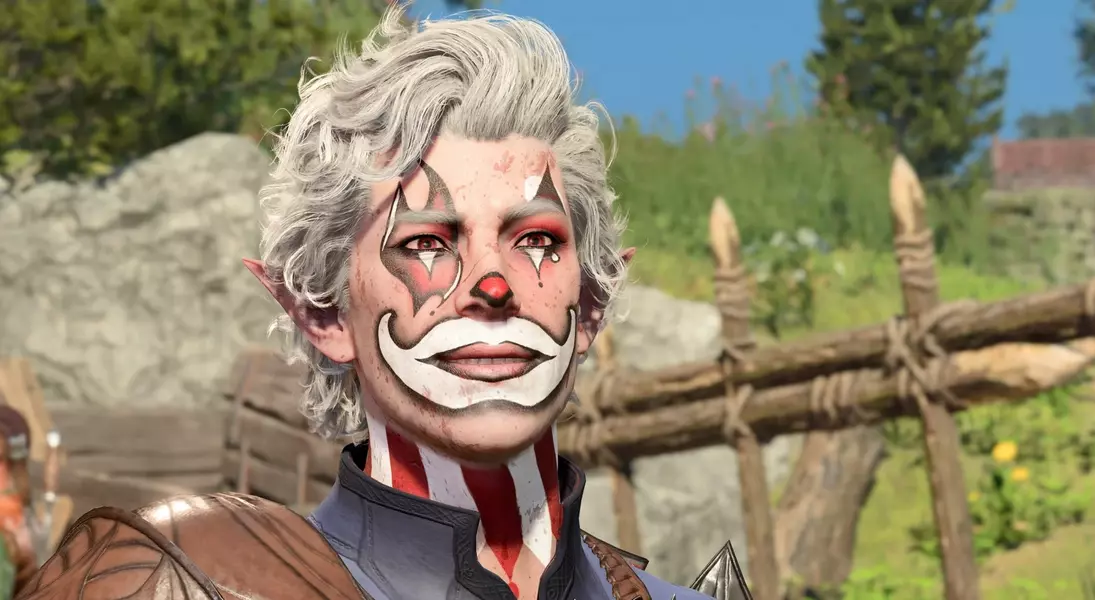
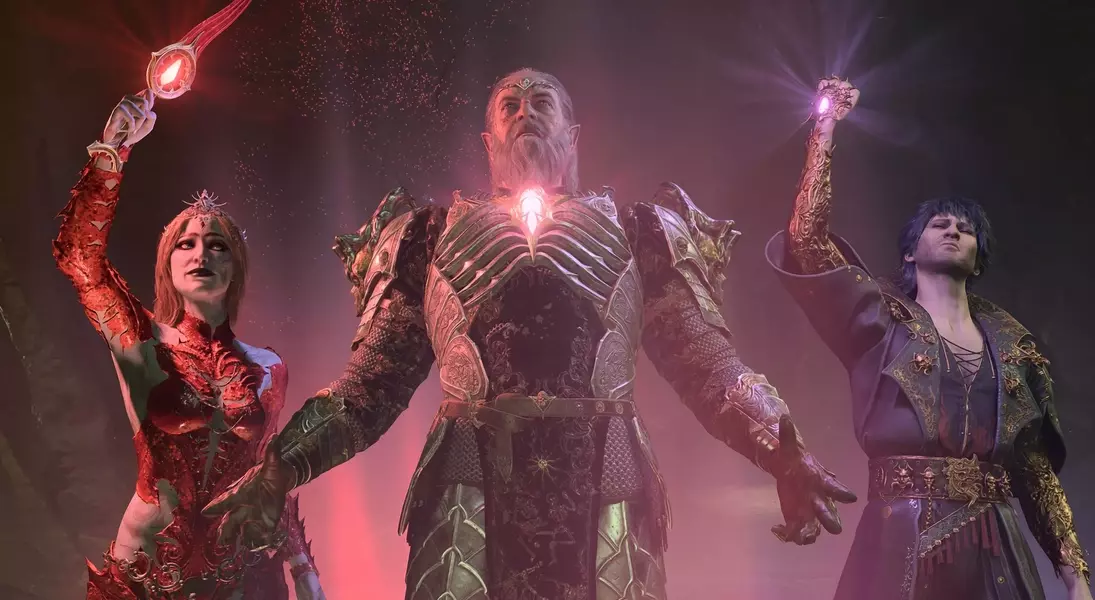
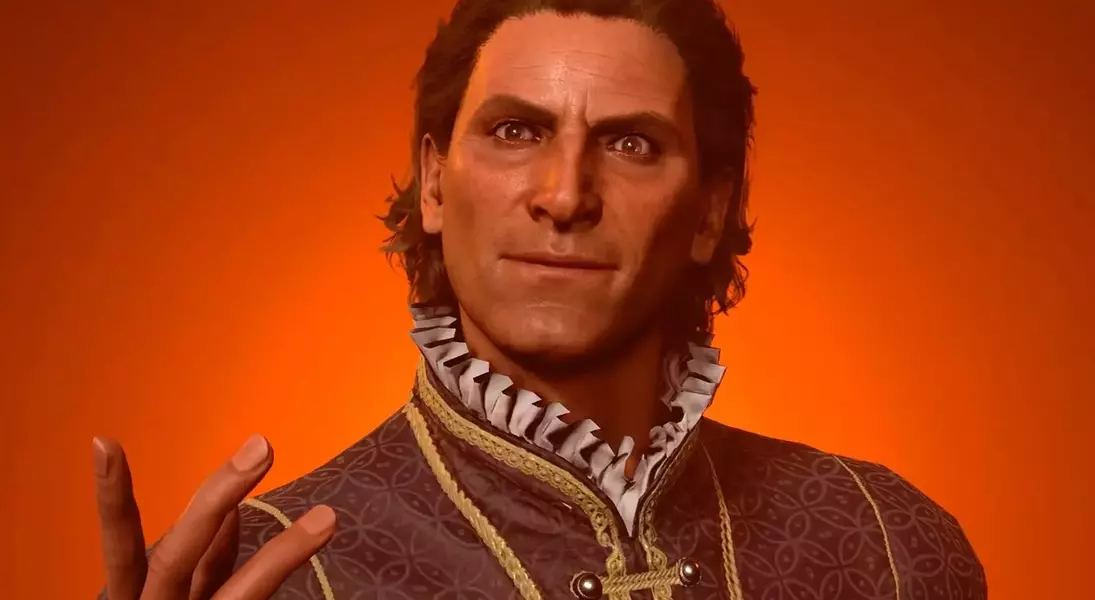
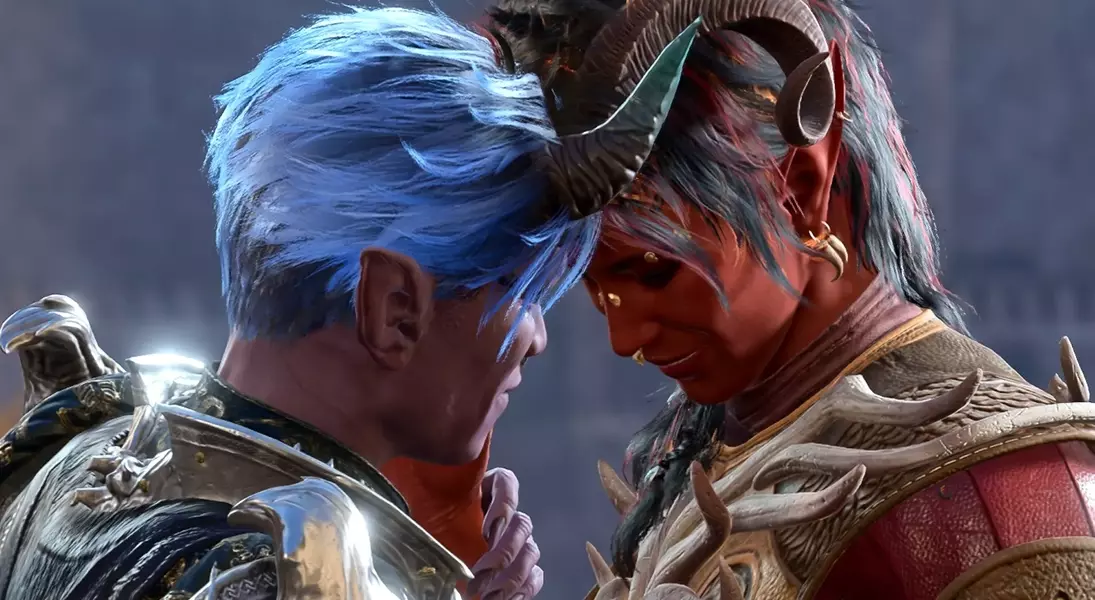
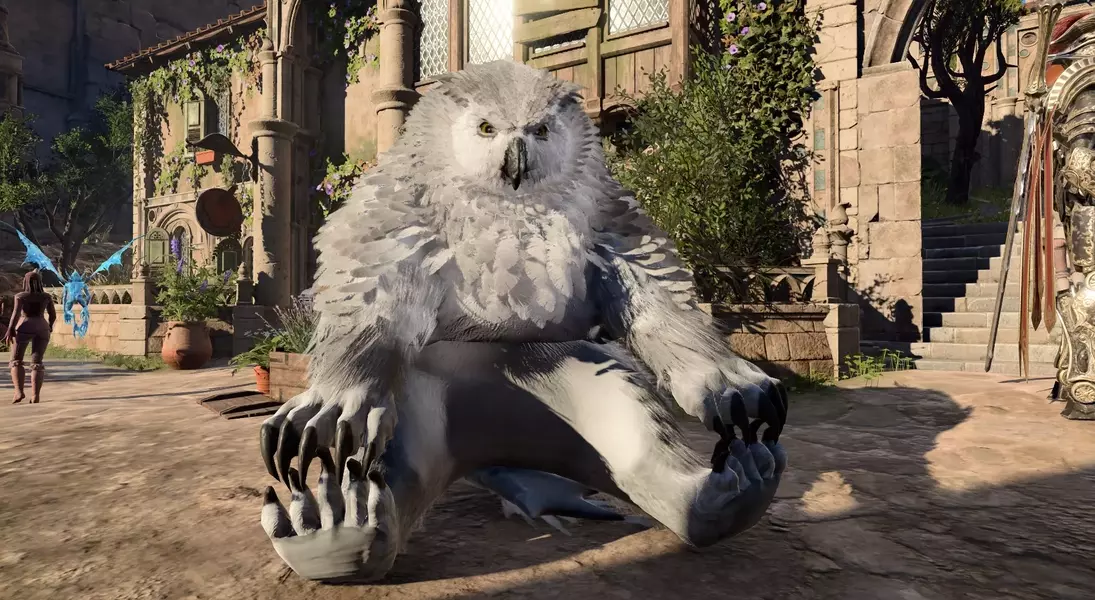
As a fervent admirer of the video game Baldur's Gate 3, I find myself in a state of unease following the announcement of an HBO television adaptation. The news, while perhaps inevitable given the game's immense success, brings forth a significant dilemma concerning the nature of its narrative translation. The game, deeply rooted in the player's personal journey and decisions, presents a unique challenge for any linear storytelling format.
Dungeons & Dragons, the foundation of Baldur's Gate 3, thrives on player agency, allowing for a multitude of unique experiences and personal canons within its established lore. Each playthrough of Baldur's Gate 3 crafts a distinct tale, shaped by the choices made by the individual. My own experience, for instance, involved a specific character arc and resolution for the world and its inhabitants. However, a television series, by its very design, must distill these myriad possibilities into a single, definitive story. This singular narrative, inevitably, will diverge from the personal stories cherished by players, effectively sidelining their unique contributions to the game's universe. This raises questions about the respect for player-generated content and the potential for a new "official" canon to diminish the validity of individual playthroughs.
While recognizing the esteemed talents of the adaptation's creative team, including those known for successful adaptations of linear narratives, a critical distinction remains. Transforming a game where player choice is paramount into a fixed storyline risks undermining the very essence of what makes Baldur's Gate 3 special. The concern is not merely about a discrepancy in storytelling, but a fundamental clash between interactive and passive entertainment. It suggests a commercial motivation driving the project, potentially at the expense of artistic integrity and player sentiment. Ultimately, this adaptation, despite its potential, feels like a misdirection for a franchise that truly flourishes when its audience is empowered to author its own epic.
The passion that players invest in these interactive worlds, shaping their heroes and destinies, is a testament to the immersive power of games like Baldur's Gate 3. This depth of connection means that any adaptation carries a heavy weight of expectation and a risk of alienating a deeply invested fanbase. True success in adapting such a rich, player-centric narrative would involve finding a way to honor the diverse experiences of its players, rather than replacing them with a singular, predetermined tale.
