The Computer History Museum, a treasure trove for technology enthusiasts, has recently inaugurated a comprehensive digital gateway, inviting global audiences to journey through the annals of computing. This virtual exhibition transcends geographical barriers, enabling anyone with an internet connection to immerse themselves in a rich tapestry of historical computing artifacts.
A Glimpse into Computing's Storied Past: From Vintage Mice to Pioneering Processors
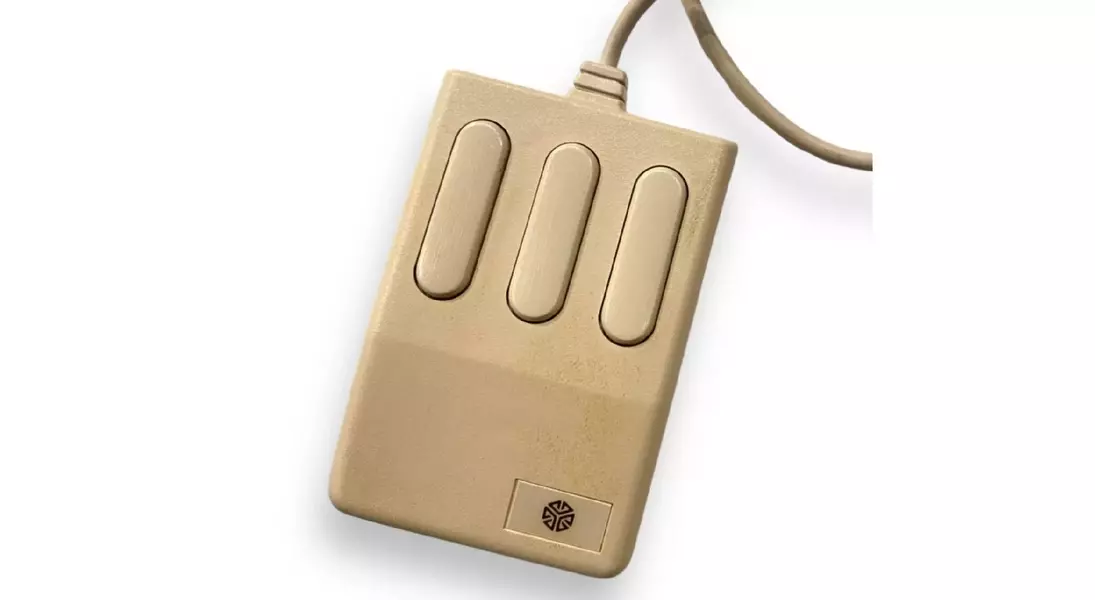
Situated in Mountain View, California, the Computer History Museum, traditionally a physical destination, has now extended its reach into the digital realm. This momentous undertaking offers an unparalleled opportunity to explore a vast array of antique computing marvels. Among the featured exhibits is an intriguing three-button mouse, a relic from Silicon Graphics Computer Systems, manufactured by Mouse Systems Corp. This humble input device, with its minimalistic design, serves as a poignant reminder of the dramatic evolution in peripheral technology. While it may not boast the advanced specifications of contemporary gaming mice, its historical significance is undeniable.
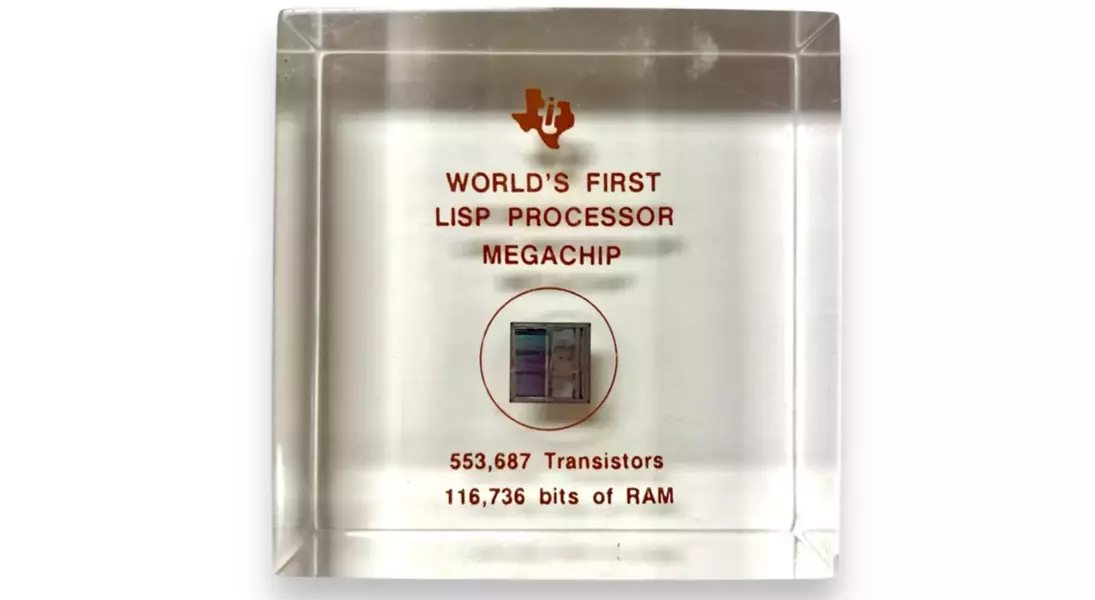
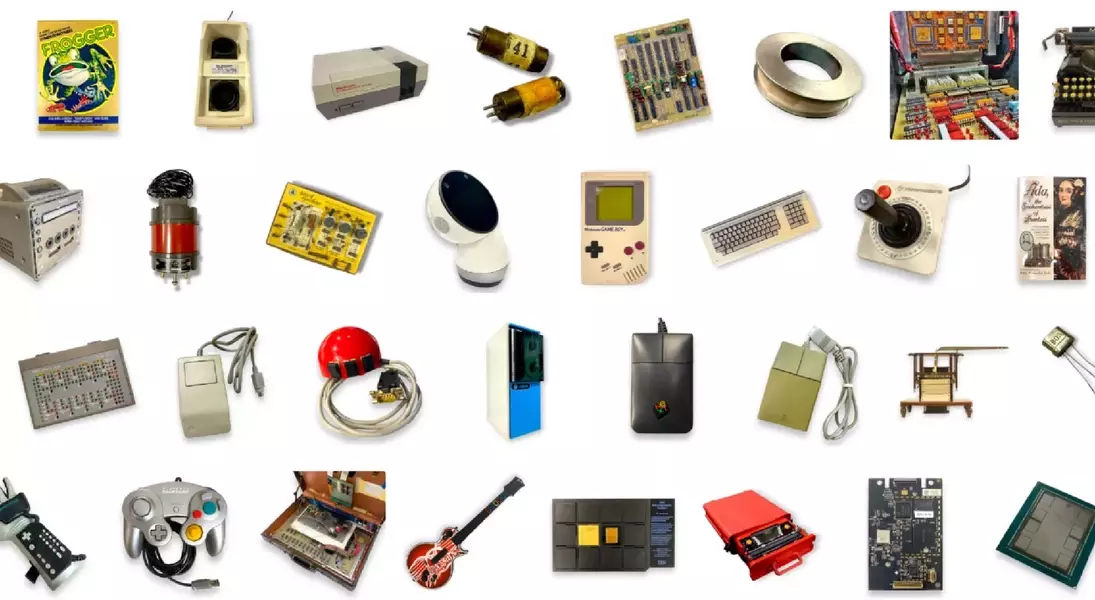
The digital archives are meticulously categorized, providing curated selections, narratives from the collection, and an interactive 'discovery wall.' The latter allows visitors to navigate a sprawling landscape of nostalgic hardware, unearthing peculiar and groundbreaking inventions. A notable highlight is the “world's first Lisp processor megachip,” an engineering marvel encased in glass. Boasting over half a million transistors and more than a hundred thousand bits of RAM, this processor offers a fascinating contrast to modern microchips. Its intricate architecture can now be examined in high-resolution detail, a testament to the ingenuity of early computer science.
Furthermore, the collection includes an original GameBoy, an icon of portable gaming, evoking a sense of nostalgia for those who grew up with such devices. The digital platform's high-resolution imagery allows for meticulous examination of each exhibit, inviting a deep dive into the historical nuances of computing hardware. This initiative not only preserves the legacy of computing but also makes it accessible for study and appreciation by a global audience, highlighting the diverse and evolving landscape of technology that predates today's RGB-laden, often exorbitantly priced, hardware.
The launch of the Computer History Museum's digital collection is more than just an online exhibition; it's an invitation to reflect on the rapid advancements in technology and our personal connections to these evolving machines. It underscores the importance of preserving technological heritage and making it accessible for future generations. For anyone fascinated by the origins of the digital world we inhabit, this virtual museum offers a compelling and insightful exploration into the roots of modern computing.
