
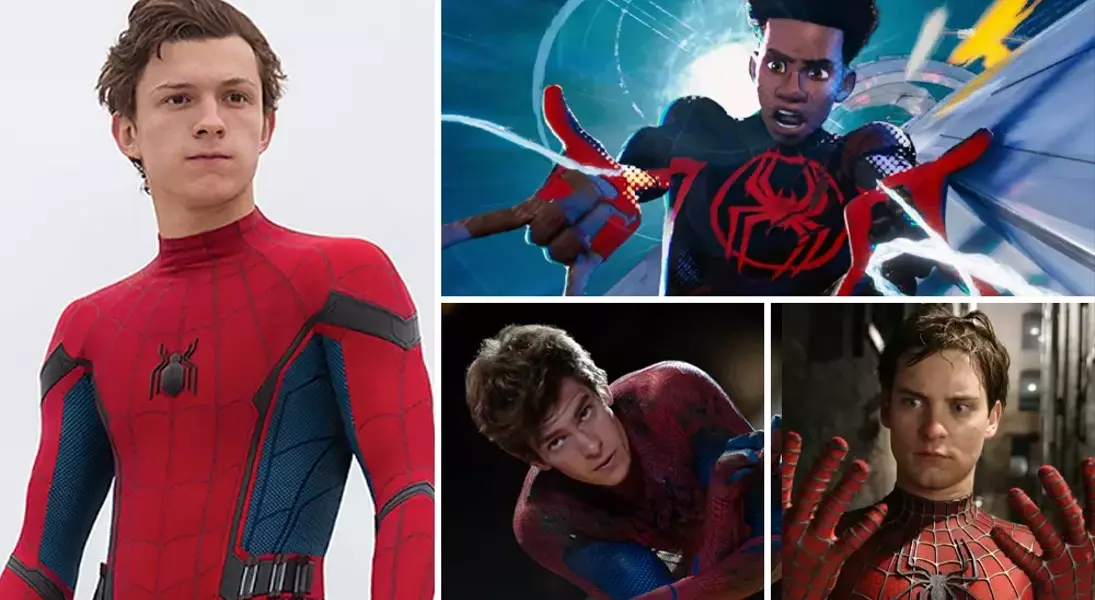

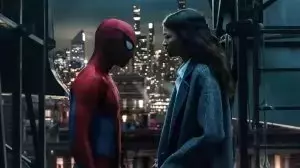
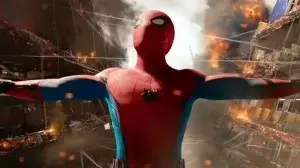
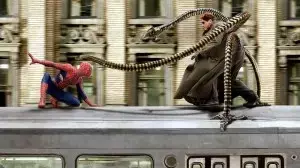
Over two decades, the "Spider-Man" film saga has demonstrated remarkable resilience despite its fluctuating quality, navigating numerous reboots and integrations into the Marvel Cinematic Universe, even with occasional appearances by the iconic J. Jonah Jameson. The franchise's latest installment, "Spider-Man: Brand New Day," achieved monumental box office success during its opening weekend, breaking records with an astounding $360 million domestically. This performance marks the largest box office debut of all time, surpassing "Avengers: Endgame" and establishing new benchmarks for preview and opening day figures. Tom Holland now boasts leading roles in the top four highest-grossing opening weekends ever, underscoring that public enthusiasm for Spider-Man remains exceptionally strong, dispelling any notions of 'Spidey fatigue.'
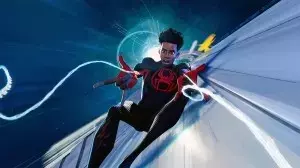
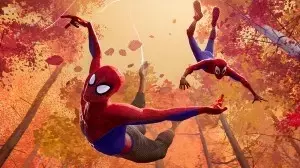
Spider-Man's appeal extends across both live-action and animated formats. "Spider-Man: Across the Spider-Verse," the acclaimed sequel to the Oscar-winning "Spider-Man: Into the Spider-Verse" (2018), captivated audiences with its innovative narrative, intricate multiverse exploration, rich array of Easter Eggs, diverse representation, and stunning visual artistry. While it resonated deeply with long-standing fans, newcomers occasionally found themselves challenged by its detailed lore. The animated trilogy is set to conclude with "Beyond the Spider-Verse," scheduled for release on June 18, 2027. Beyond the big screen, the Spider-Man universe continues to thrive through animated television series, direct-to-video productions, and ensemble appearances within the MCU, alongside its foundational comic books. This review focuses specifically on the 11 standalone theatrical films, ranking them from least to most compelling, offering a fresh perspective on the hero's cinematic journey.
The Evolution of Spider-Man: Cinematic Highs and Lows
The cinematic journey of Spider-Man has been a rollercoaster of innovation and occasional missteps, spanning multiple iterations and interpretations. From Sam Raimi's foundational trilogy starring Tobey Maguire to Marc Webb's "Amazing Spider-Man" series with Andrew Garfield, and finally to Tom Holland's integration into the Marvel Cinematic Universe, each era has brought its own unique flavor to the web-slinger's story. While some films have soared to critical and commercial success, others have faced challenges in narrative coherence or character development. This section critically examines the progression of the Spider-Man franchise, highlighting key films that shaped its legacy, and exploring the varying degrees of success achieved in capturing the essence of the beloved hero.
The franchise's trajectory reveals a fascinating evolution in storytelling and visual effects. Early films set the standard for superhero cinema, blending heartfelt human drama with groundbreaking action sequences. However, subsequent entries sometimes struggled with overcrowded plots or a departure from the character's core identity, leading to mixed reactions from both critics and fans. The shift towards animated features like "Spider-Man: Into the Spider-Verse" injected new life into the saga, offering a fresh, visually audacious approach that expanded the mythos in exciting ways. Meanwhile, Holland's tenure has seen a more interconnected Spider-Man, grappling with larger cosmic threats within the MCU, which, while thrilling, has also raised questions about his independence as a solo hero. The ongoing re-evaluation of these films underscores the enduring debate among fans about what truly defines a great Spider-Man story.
Defining Moments: From Iconic Performances to Box Office Milestones
Spider-Man's filmography is punctuated by defining moments, from unforgettable performances that brought Peter Parker to life to monumental box office achievements that solidified his status as a global icon. Key actors like Tobey Maguire, Andrew Garfield, and Tom Holland have each contributed distinct portrayals, imbuing the character with different facets of heroism and vulnerability. Beyond individual performances, the franchise has continually pushed boundaries in terms of cinematic spectacle and narrative ambition, resulting in some of the highest-grossing superhero films of all time. This section explores these pivotal elements, examining how casting choices, directorial visions, and groundbreaking special effects have contributed to the franchise's enduring appeal and commercial triumph.
The impact of Spider-Man's cinematic ventures extends beyond mere entertainment, influencing broader trends in the superhero genre. The success of films like "Spider-Man: Brand New Day" demonstrates the character's unparalleled drawing power, consistently breaking box office records and proving immune to 'superhero fatigue.' This commercial success is often intertwined with critical acclaim, particularly for films that manage to balance spectacular action with deep emotional resonance and faithful adherence to the character's comic book roots. The critical consensus often highlights the chemistry between lead actors, the effectiveness of villains, and the overall coherence of the storyline. Whether it's the charm of a first romance, the struggle against overwhelming odds, or the exploration of a sprawling multiverse, these defining moments have collectively woven a rich tapestry that continues to captivate audiences worldwide and shape the future of superhero storytelling.
