
Vegan protein powders have recently faced scrutiny regarding potential contaminants, including heavy metals. However, nutritional experts clarify that while contaminants can enter the food system through soil, making diligent sourcing and diverse diets crucial, plant-based options remain a valuable protein source. Protein is an essential macronutrient vital for numerous bodily functions, impacting metabolic health, satiety, blood sugar regulation, and energy levels. This comprehensive guide, informed by nutritionists Mia Rigden and registered dietitian Kayla Kamen, aims to help consumers navigate the market, offering recommendations and essential considerations for selecting high-quality vegan protein powders.
A critical aspect when choosing vegan protein powders is understanding their sourcing and the additives they contain. Mia Rigden, a nutritionist, highlights that heavy metals can be present in many plant-based items due to their absorption from the soil. This underscores the need for consumers to seek brands committed to transparency and rigorous third-party testing. Such testing ensures that products meet stringent standards and are free from harmful levels of chemicals or artificial ingredients. Furthermore, the selection process should involve examining ingredient lists for unnecessary fillers, artificial sweeteners, and excessive sugars, favoring products with natural sweeteners and minimal, whole-food-based components.
For individuals with specific dietary needs, such as dairy allergies, lactose intolerance, or FODMAP sensitivities, vegan protein powders offer a viable alternative. Kayla Kamen, a registered dietitian, emphasizes that plant-based protein sources can provide excellent amino acids, fiber, and other vital nutrients, making it entirely possible to meet protein requirements through a vegan diet. She advises consumers to inquire about the protein's origin, the types of additives used, and the availability of third-party testing results. This due diligence helps ensure the chosen product aligns with health goals and dietary restrictions.
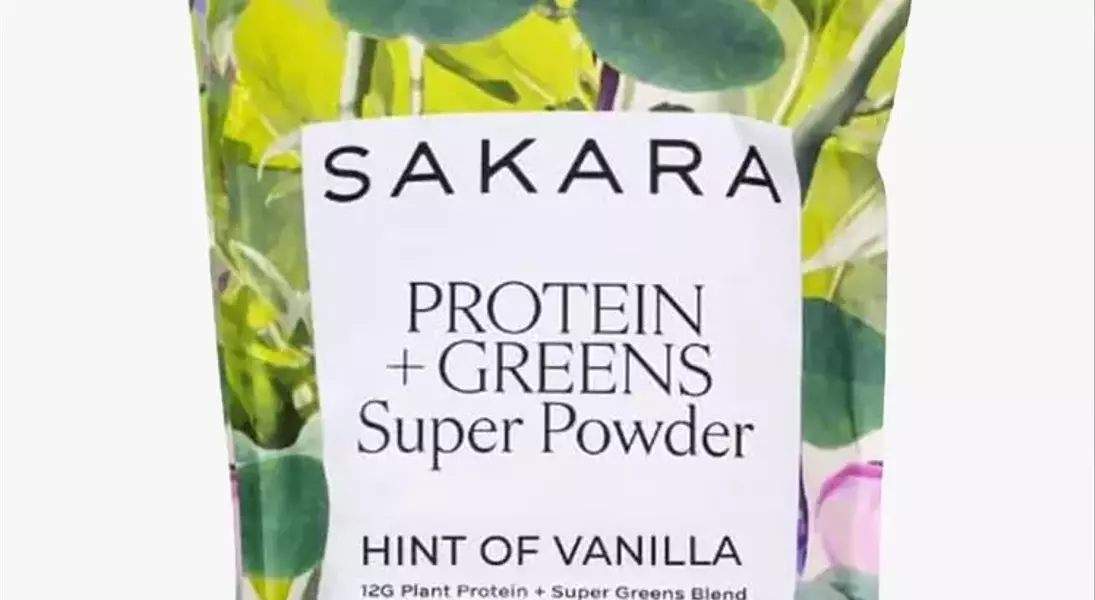
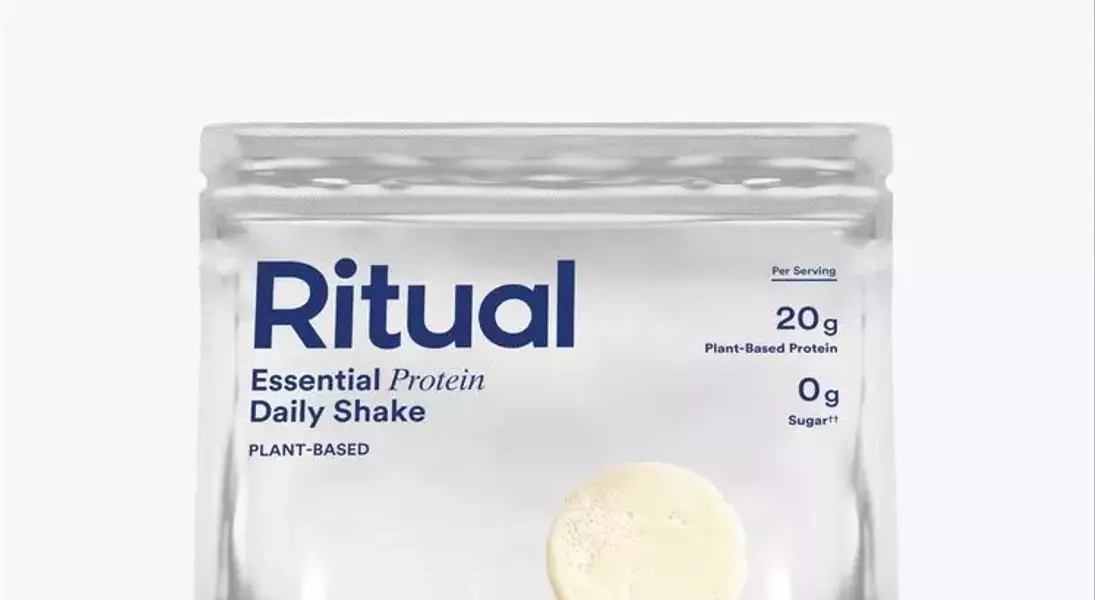
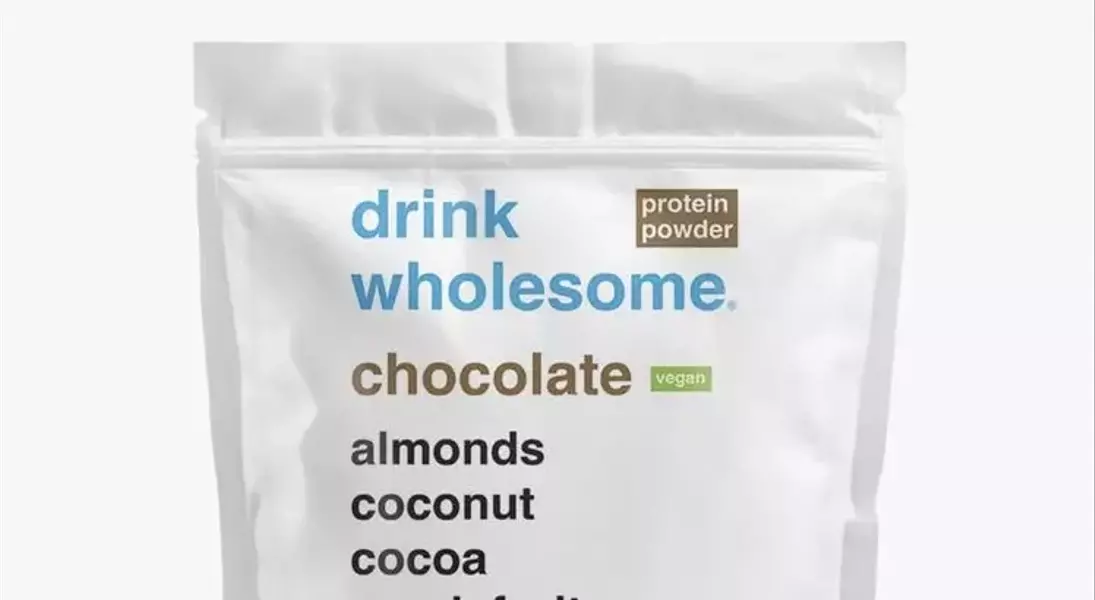
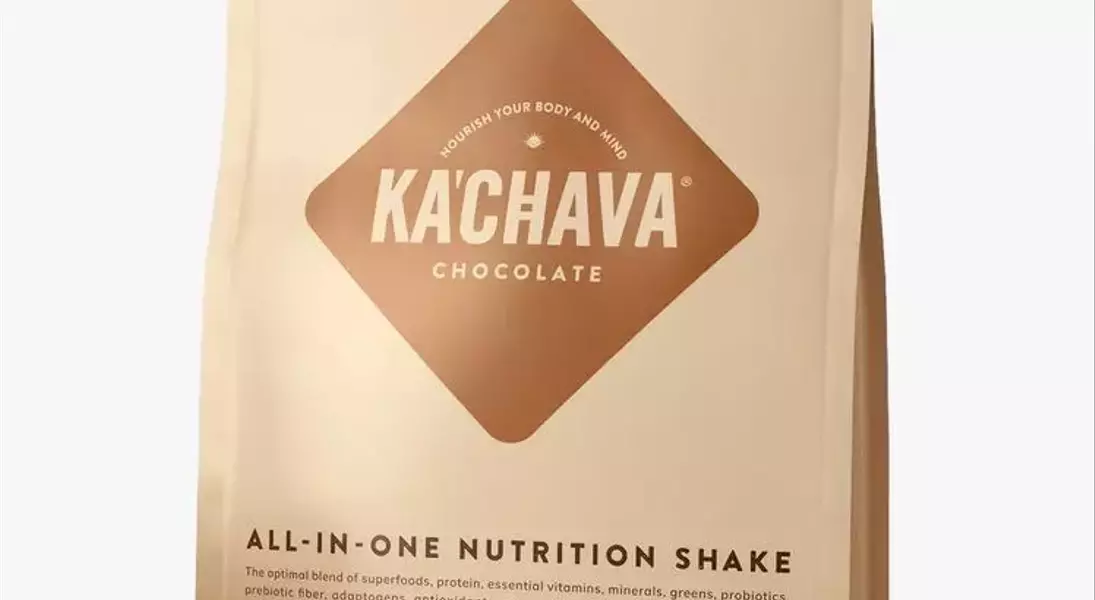
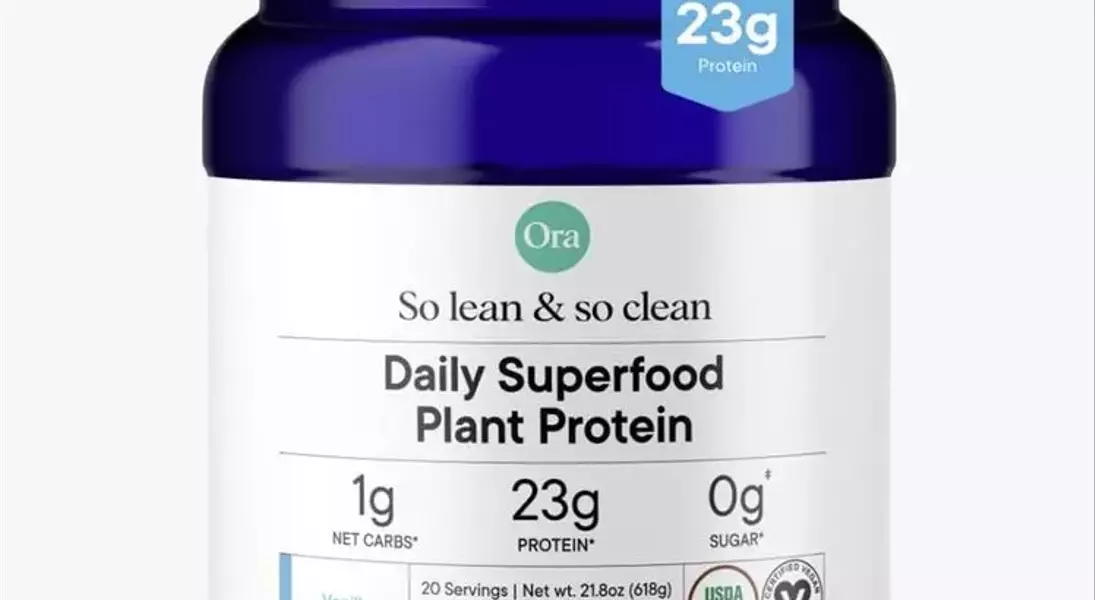
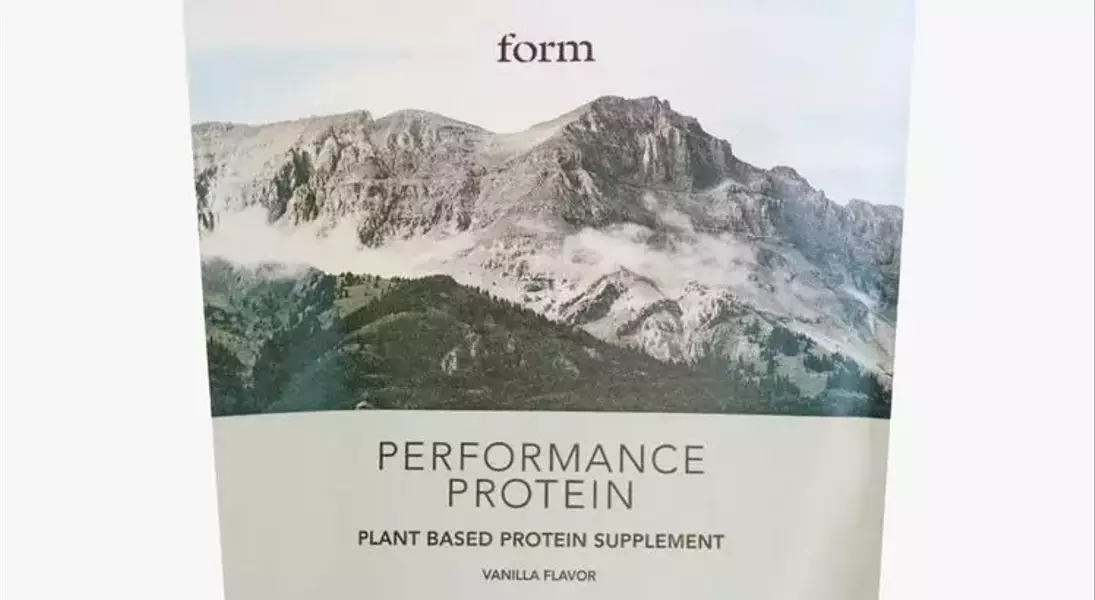
Among the highly-rated vegan protein powders, Ritual Pea Protein Powder stands out for its overall quality and commitment to traceability. Sourced from regeneratively farmed peas, it is non-GMO, smooth, and flavorful, earning the Clean Label Project Certified Purity Award for its extensive testing against over 200 environmental contaminants. Another notable option is Drink Wholesome Vegan Protein Powder, particularly beneficial for those with sensitive stomachs due to its minimal, whole-food ingredients like almonds and coconut. Ka'Chava Whole Body Meal Shake is praised for its taste and comprehensive nutritional profile, offering a blend of over 85 nutrients and superfoods, though it contains added sugar. Promix Vegan Protein is an excellent unflavored choice, ideal for blending into various foods without altering taste, and is highly regarded by nutritionists for its organic ingredients and metabolic health benefits. For post-workout recovery, Form Performance Protein provides 30 grams of multi-source protein with a full amino acid profile and BCAAs, making it suitable for athletes. Lastly, Sakara Protein + Greens Super Powder, a hemp-based option, offers a complete protein source combined with detoxifying greens and antioxidants, perfect for those seeking a nutrient-dense blend.
Ultimately, while protein powders can be a beneficial supplement to help meet daily protein goals, they should not replace whole foods. Experts concur that the majority of protein intake should come from natural sources like beans, lentils, tofu, nuts, and seeds. When opting for a protein powder, consumers are encouraged to prioritize brands that offer transparency in their ingredient lists and provide evidence of third-party testing for contaminants. By making informed choices, individuals can confidently incorporate vegan protein powders into their diet, ensuring both nutritional benefits and peace of mind.
