Employee Stock Options (ESOs) represent a crucial aspect of compensation within the corporate world, serving as a powerful tool for companies to attract, retain, and motivate their workforce. These options, which grant employees the right to purchase company shares at a predetermined price, are multifaceted instruments with significant financial implications. Understanding the nuances of ESOs, including their varying types, tax treatment, valuation methodologies, and strategic management, is essential for both employees and employers to maximize their benefits and navigate potential risks.
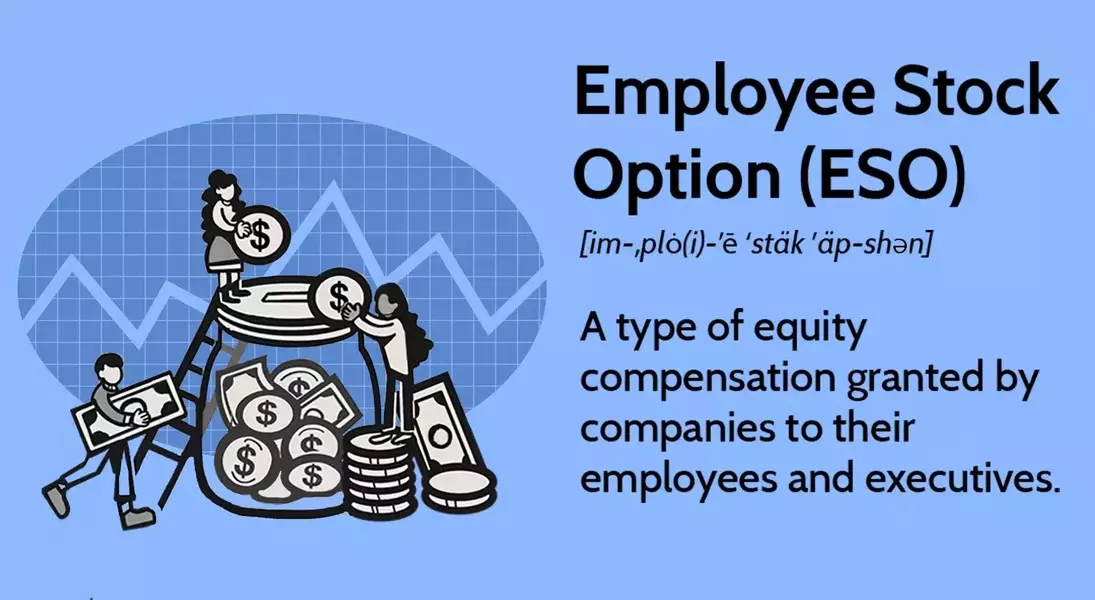
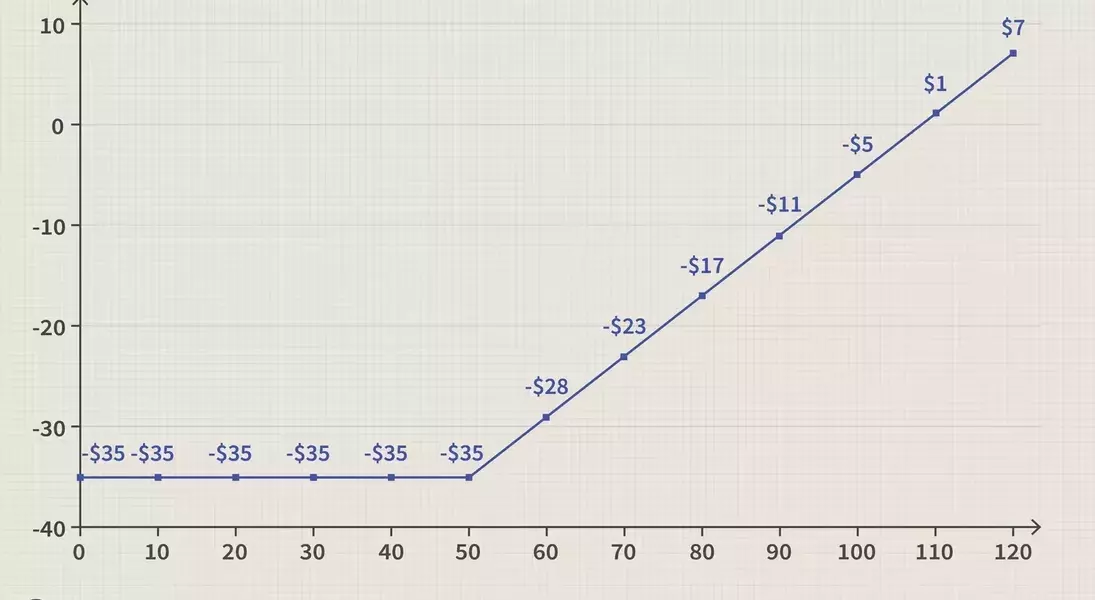
ESOs are fundamentally a form of equity compensation, distinct from direct stock grants. They function as call options, giving the holder the privilege to buy company stock at a specified 'strike price' for a defined duration. Unlike publicly traded options, ESOs are not typically tradable on exchanges, a characteristic that introduces unique valuation and liquidity considerations. Their value is realized when the company's stock price surpasses the exercise price, allowing employees to acquire shares at a discount. This difference can then be converted into profit by selling the shares, either immediately or after a holding period, depending on individual financial goals and tax strategies.
The world of ESOs is primarily divided into two categories: Incentive Stock Options (ISOs) and Non-qualified Stock Options (NSOs). ISOs are generally reserved for key executives and senior management, offering potentially advantageous tax treatment where gains may be classified as long-term capital gains by the IRS. NSOs, on the other hand, can be issued to a broader spectrum of employees, including consultants and board members, with profits from these options being taxed as ordinary income. The choice between these two types often depends on the company's compensation strategy and the tax implications for the recipients.
A critical component of any ESO agreement is the vesting schedule, which dictates when employees can actually exercise their options. This schedule is designed to incentivize long-term commitment and performance, as options typically vest in increments over several years. For example, an employee might receive 1,000 options vesting at 25% annually over four years. If not exercised, these vested options accumulate, allowing for a larger exercise at a later date, but always within a specified expiration timeframe, often ten years from the grant date. Beyond the vesting schedule, some agreements may also include 'reload options,' offering additional ESOs upon the exercise of existing ones, further sweetening the compensation package.
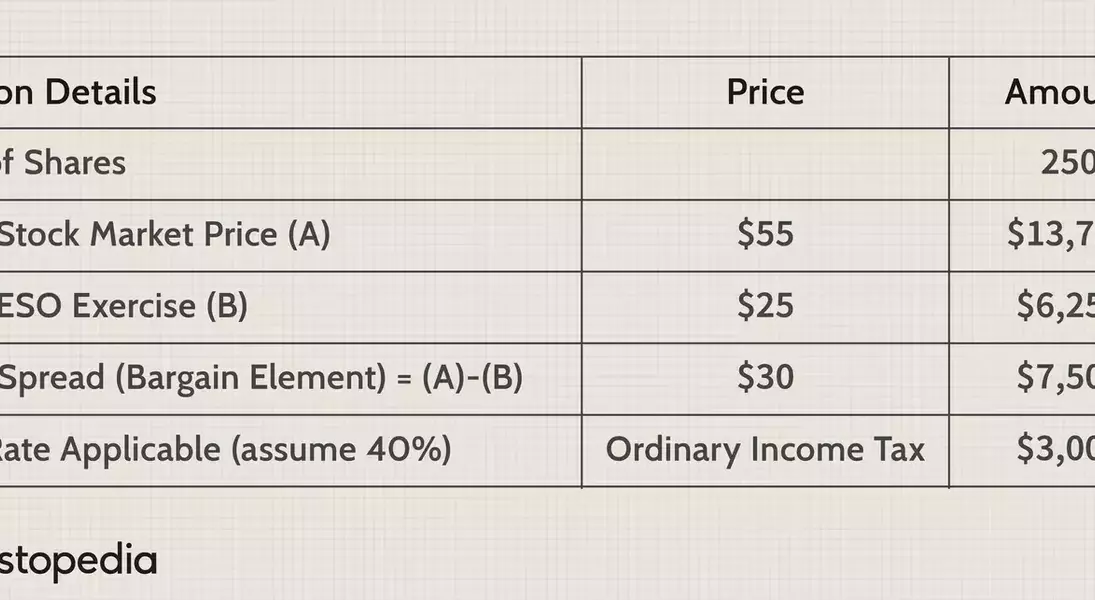
The tax landscape surrounding ESOs is complex and demands careful planning. The grant of an option itself is generally not a taxable event. However, taxation is triggered upon exercise, where the difference between the market price and the exercise price (known as the ESO spread or bargain element) is typically treated as ordinary income. A subsequent sale of the acquired stock constitutes another taxable event. If shares are sold within one year of exercise, profits are subject to short-term capital gains tax rates; holding them for over a year qualifies for lower long-term capital gains rates. This dual taxation mechanism underscores the importance of strategic timing for exercising and selling ESOs to minimize tax liabilities.
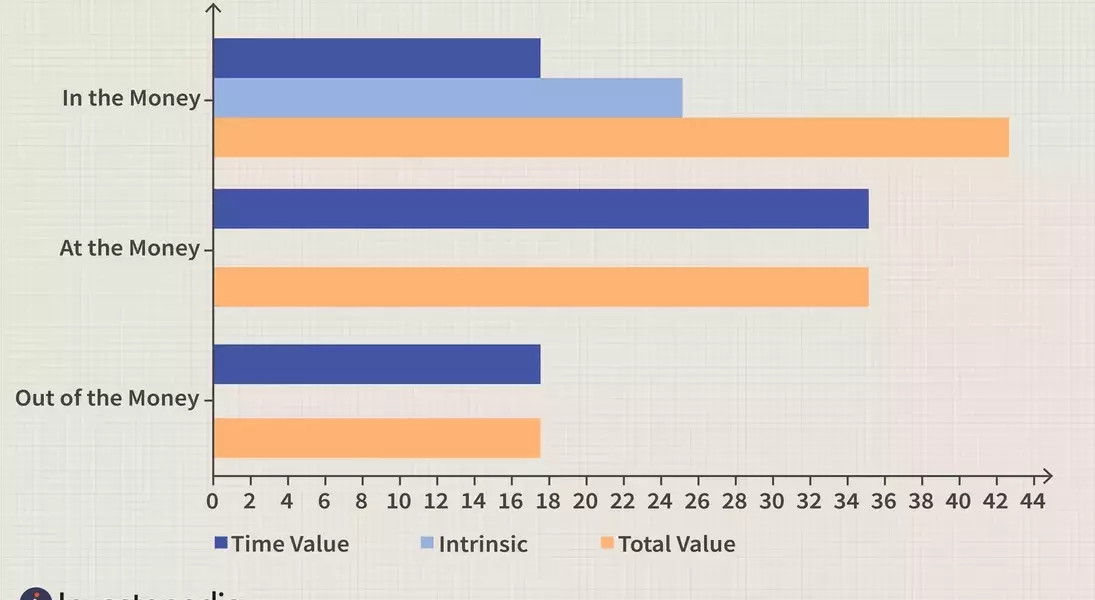
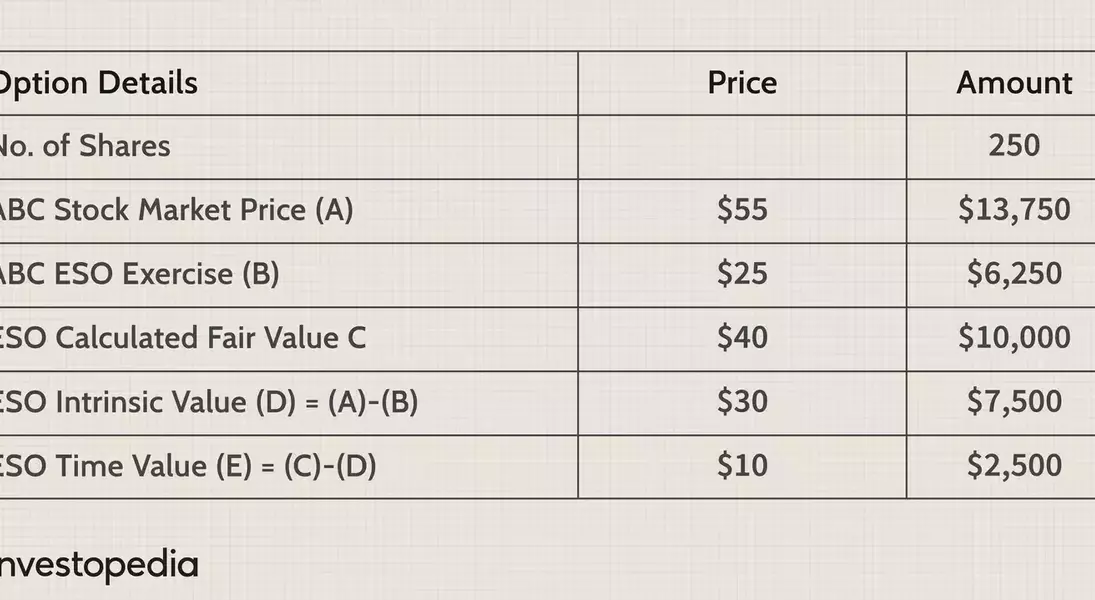
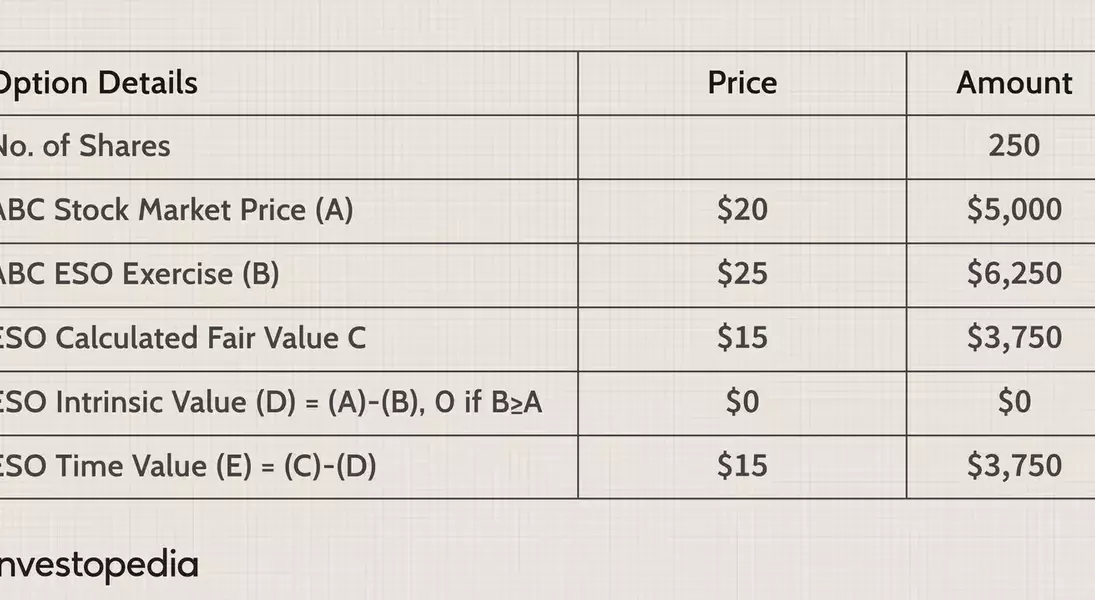
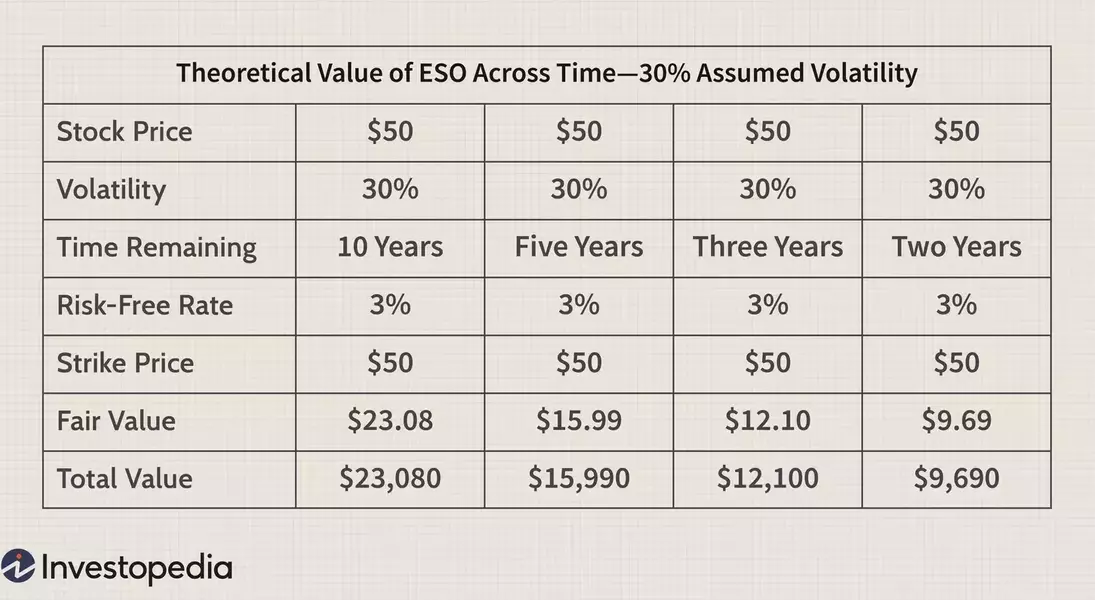
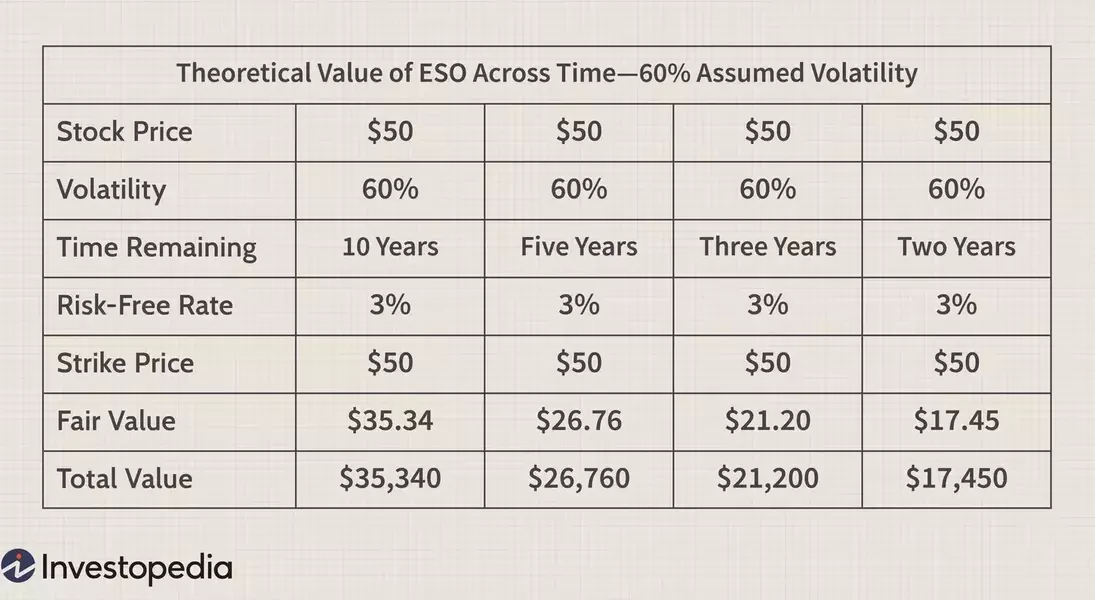
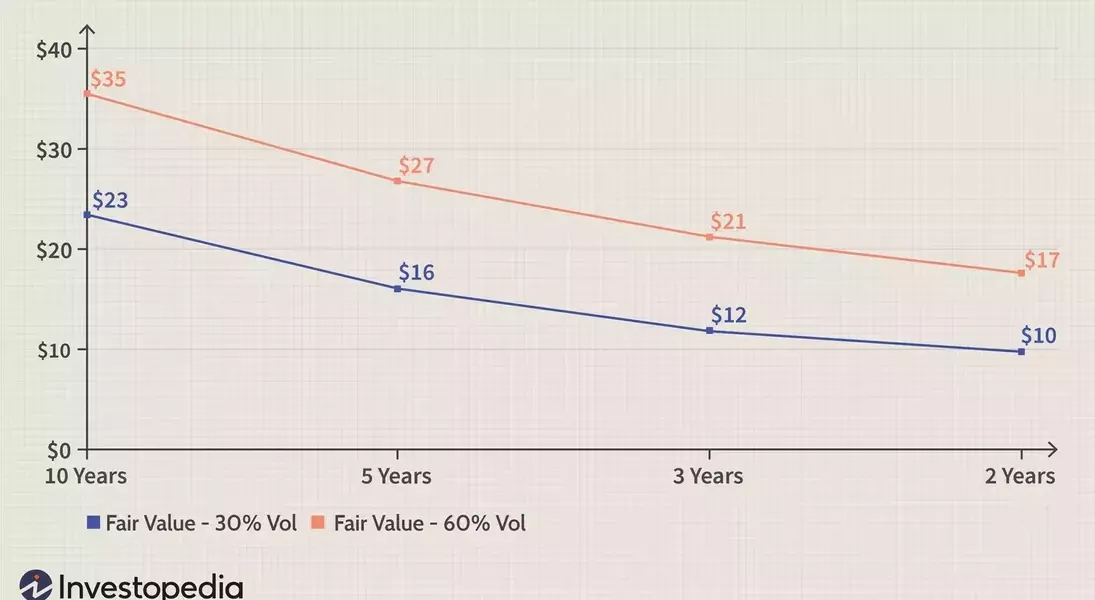
Understanding the intrinsic and time value of ESOs is paramount for optimizing their financial benefits. Intrinsic value is the immediate profit an option offers (market price minus exercise price), while time value reflects the potential for an option's intrinsic value to increase before expiration. ESOs, especially those with long expiration periods, often carry substantial time value. Exercising ESOs prematurely can lead to the forfeiture of this time value, representing a hidden opportunity cost. Option pricing models, such as Black-Scholes, are frequently employed to estimate the fair value of ESOs, helping employees understand this often-overlooked component of their compensation.
ESOs differ significantly from publicly traded options in several key aspects. ESOs lack market liquidity, making their valuation more challenging as there's no readily available market price. Their terms, such as expiration dates and share quantities, are not standardized like those of exchange-traded options. Moreover, ESOs do not feature automatic exercise mechanisms; employees must actively choose to exercise them. The absence of a clearinghouse for ESOs also introduces counterparty risk, as the company itself is the direct counterparty. Furthermore, employees holding a large number of ESOs face concentration risk, having a substantial portion of their wealth tied to a single company's stock, a risk often highlighted by financial regulatory bodies.
Strategic management of ESOs also involves considering the risks and rewards of holding them versus early exercise. While holding ESOs longer can maximize potential gains from an appreciating stock, it also means risking the loss of time value if the stock does not perform as expected. Early exercise, while potentially incurring a significant tax burden and forfeiting time value, might be justifiable for reasons such as an immediate need for cash, a desire for portfolio diversification, a bearish outlook on the company's stock or the broader market, or to facilitate hedging strategies. Basic hedging techniques for ESOs include writing covered calls, purchasing protective puts, or constructing costless collars. These strategies can help mitigate downside risk or generate income, but they must be implemented with a full understanding of company policies and in consultation with financial advisors.
Employee Stock Options are an integral part of many compensation packages, designed to align employee interests with company success. However, their unique characteristics, particularly concerning taxation, valuation, and market dynamics, necessitate a thoughtful approach to their management. Employees are encouraged to thoroughly understand their ESO agreements, consider their personal financial situation, and seek professional advice to make informed decisions about exercising and managing these valuable equity instruments.
