The automotive landscape is undergoing a significant transformation, with electric vehicles (EVs) increasingly challenging the dominance of traditional gasoline-powered cars in the United States. This evolution, spurred by pioneers like the Nissan Leaf and Tesla Roadster in the late 2000s, has led to substantial advancements in EV technology, particularly in charging speeds and driving ranges. Today, electric options are not just limited to compact cars but are found across almost every vehicle segment, offering consumers a wide array of choices.
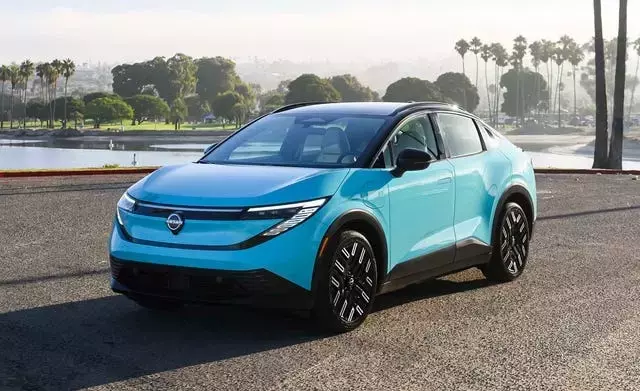
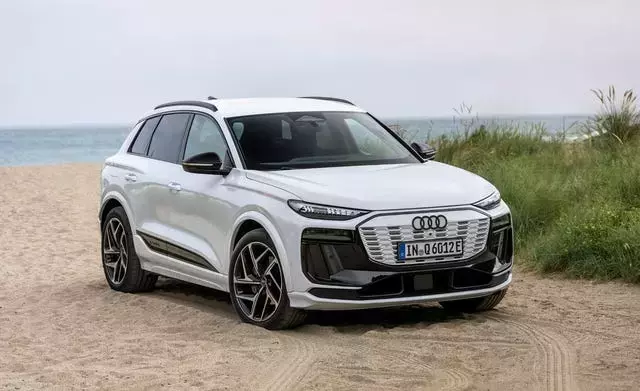
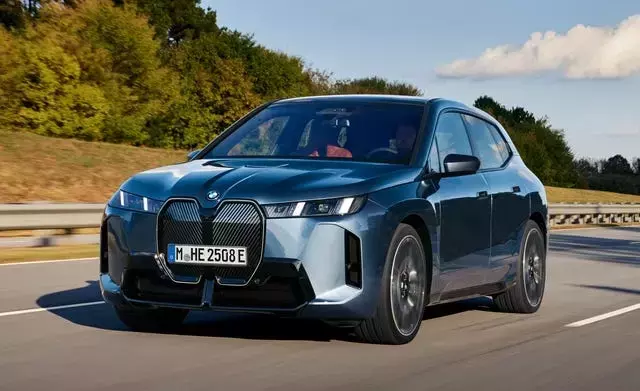
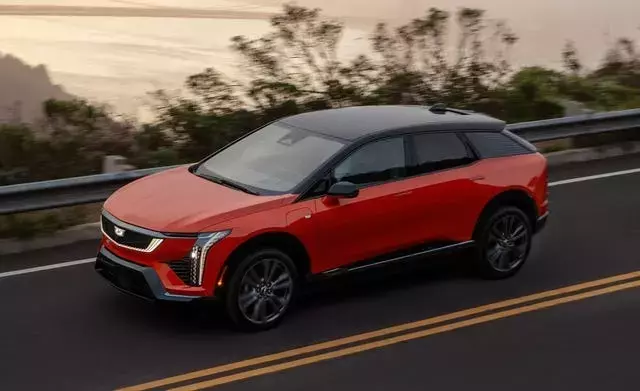
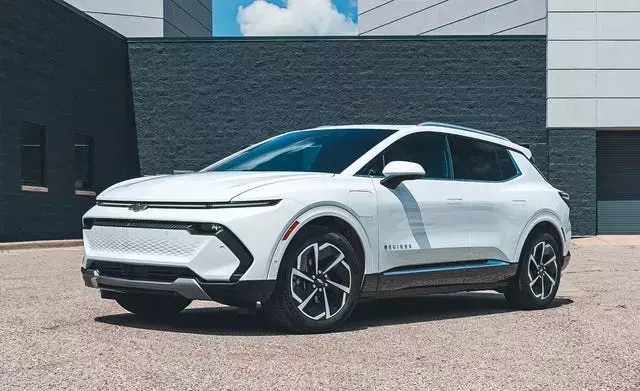
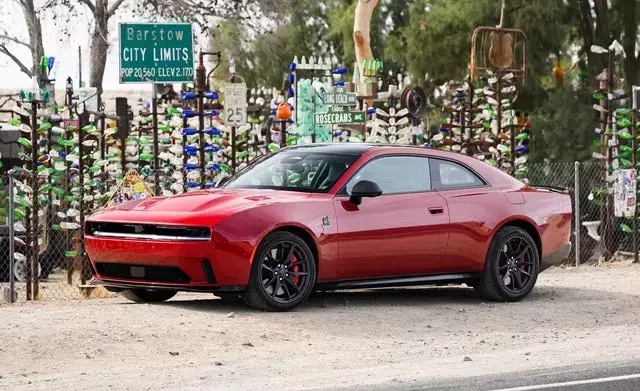
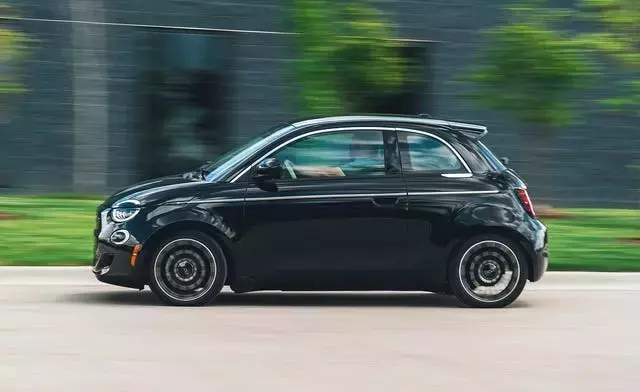
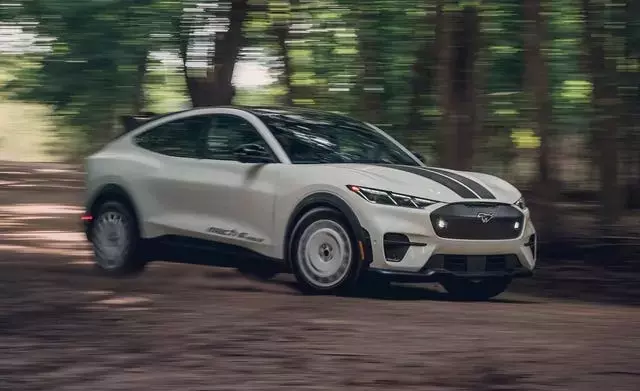
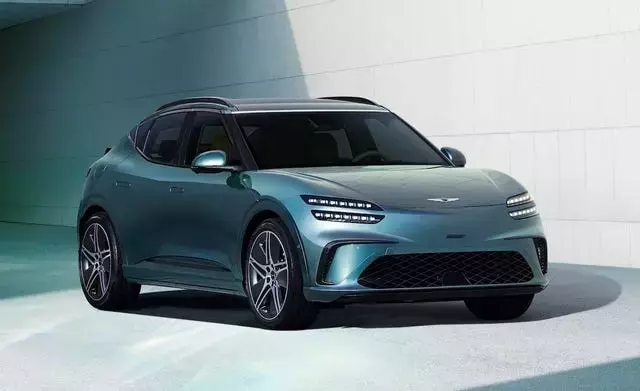
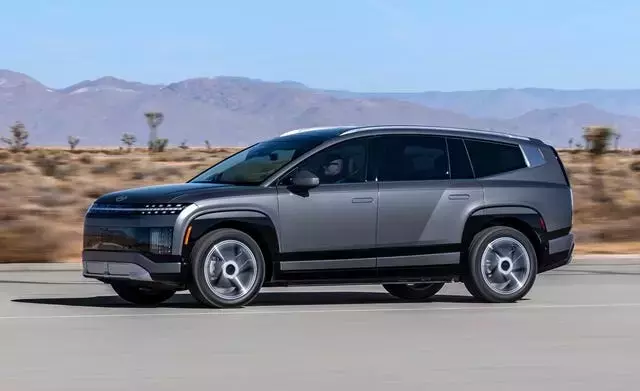
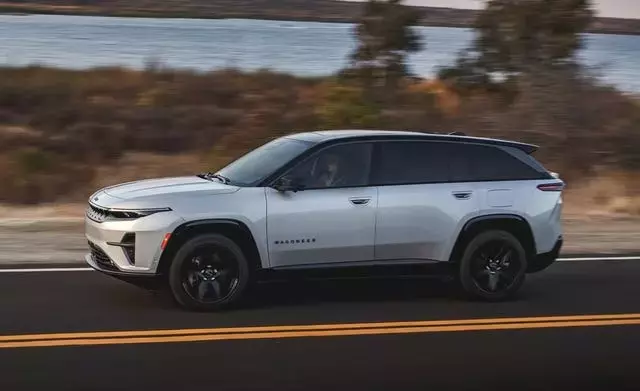
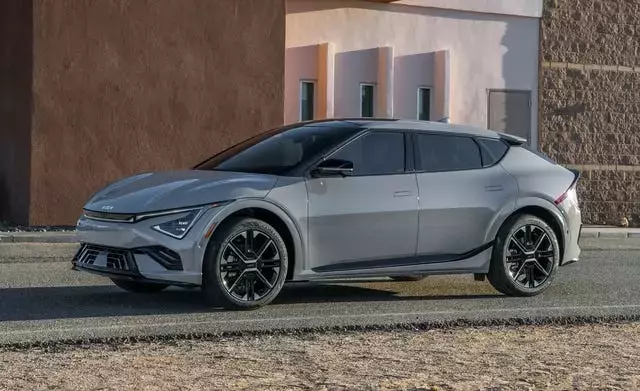
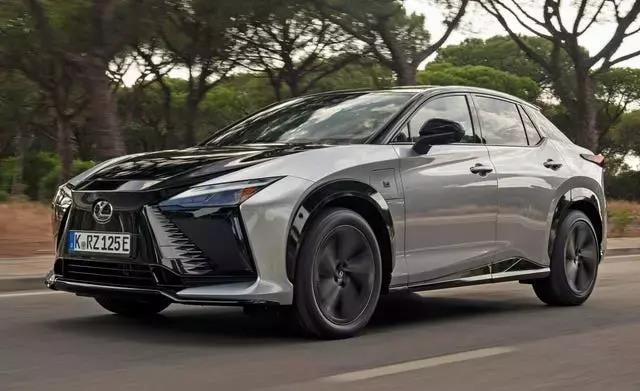
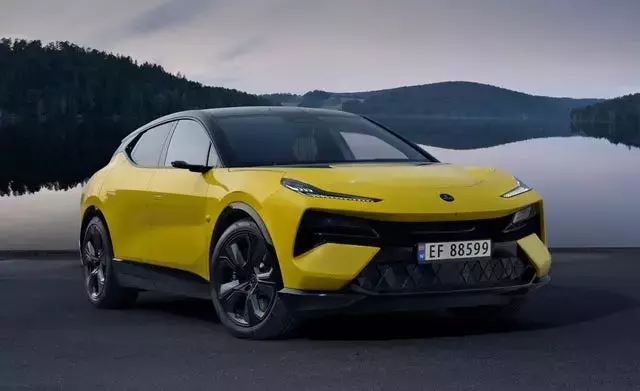
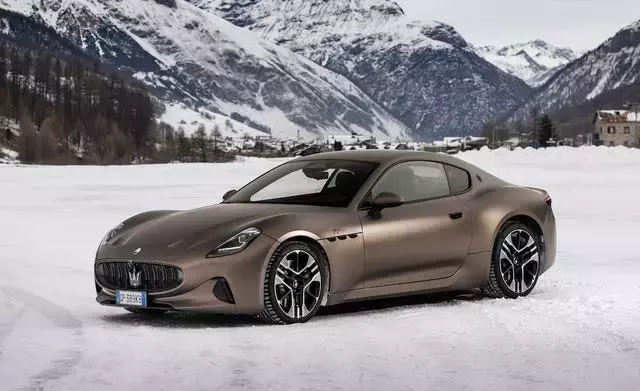
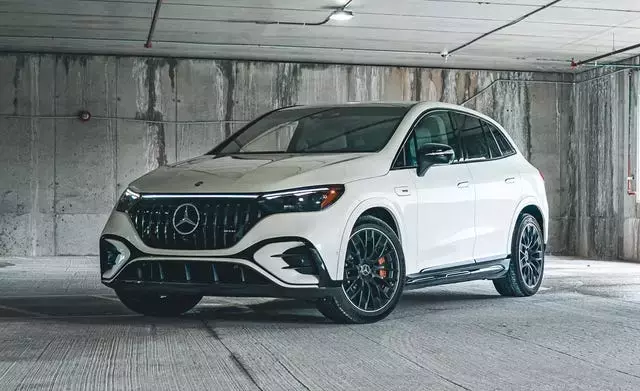
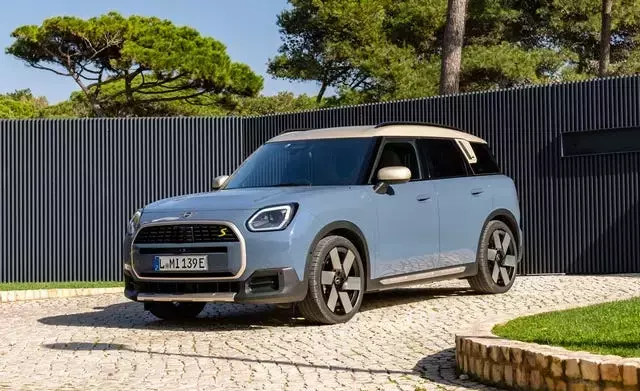
A multitude of manufacturers are actively expanding their electric lineups. Audi provides a selection of luxury electric SUVs and cars, including the high-performance RS e-tron GT. BMW offers several electric models, many of which share a strong resemblance to their combustion-engine counterparts, with the distinctive iX SUV being an exception. Cadillac is embracing electric with a range of SUV sizes, including the luxurious Escalade IQ. Chevrolet focuses its EV strategy on SUVs and commercial trucks like the Silverado EV. Dodge, known for its muscle cars, has introduced the electric Charger Daytona, continuing its performance legacy. Fiat's presence in the U.S. is marked by the electric 500e city car. Ford presents the Mustang Mach-E SUV and the E-Transit commercial van. Genesis, Hyundai's luxury arm, offers the GV60 and Electrified GV70 SUVs, while Hyundai itself has garnered awards for its Ioniq series. Jeep has electrified its rugged appeal with the Wagoneer S and Recon. Kia's electric range includes various SUVs, with more models planned for release. Lexus offers the RZ SUV, a luxury option related to Toyota's bZ series. High-performance brands like Lotus and Maserati have also joined the electric movement with the Eletre SUV and a range of 'Folgore' badged models, respectively. Luxury giant Mercedes-Benz provides an extensive selection of electric sedans, SUVs, and vans, and is subtly rebranding its EV lineup. Mini offers an electric version of its Countryman SUV. Nissan, a long-time EV player, now features the Leaf as a subcompact SUV.
This broad expansion of electric vehicle choices underscores a clear shift towards a more sustainable and technologically advanced automotive future. The continuous innovation in battery technology, alongside growing consumer awareness and environmental considerations, suggests a promising path for electric mobility. As manufacturers continue to introduce new and improved models, the transition to electric vehicles is becoming increasingly accessible and appealing to a wider demographic, driving progress towards cleaner air and a reduced carbon footprint.
