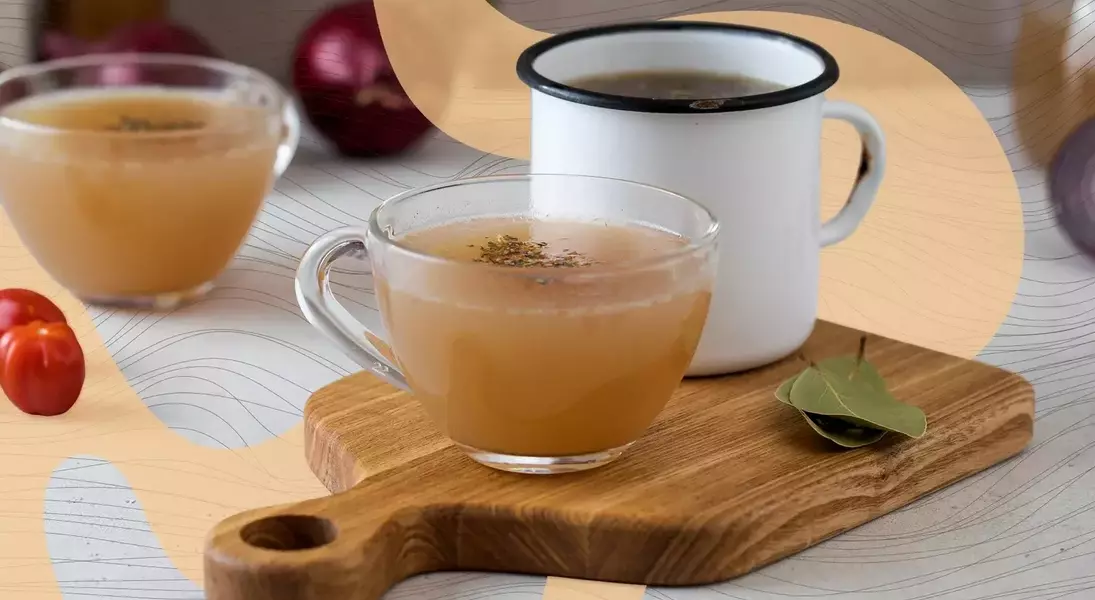
Discover the enduring appeal of bone broth, a traditional staple revered for its culinary versatility and perceived health benefits. This guide explores its unique characteristics, nutritional value, and various applications in daily life.
Unlock the Power of Bone Broth: A Timeless Elixir for Modern Wellness
Distinguishing Between Culinary Liquids: Broth, Stock, and Bone Broth
For centuries, bone broth has held a prominent place in cultures worldwide, celebrated for both enhancing dish flavors and serving as a traditional remedy. As stated by Cindy Chou, M.S., RDN, bone broths historically offer warmth and comfort, particularly during illness, while exemplifying resourcefulness through the utilization of an entire animal, often forming the core of family and cultural rituals. Recently, commercially prepared bone broth has seen a rise in popularity as a health-boosting beverage, frequently promoted for its potential to support digestive, joint, and immune system well-being. This discussion aims to clarify what bone broth is and investigate its purported advantages.
Exploring the Health Advantages of Bone Broth
Bone broth is predominantly composed of water and is naturally rich in essential electrolytes such as sodium, potassium, and magnesium. It helps replenish fluids, providing both warmth and sustenance. Registered dietitian and chef Laura Pensiero emphasizes that adequate hydration is crucial for all bodily functions, including metabolism and energy production. Whether you're feeling unwell or simply seeking comfort, bone broth offers a soothing and effective way to maintain hydration.
Bone Broth as a Significant Source of Essential Proteins
The prolonged simmering process integral to bone broth production effectively breaks down connective tissues, cartilage, and bones, thereby enriching its content of amino acids—the fundamental constituents of protein. It is particularly abundant in glutamine, histidine, arginine, glycine, and proline, all of which contribute to immune, joint, and gut health. However, the precise protein and amino acid levels in bone broth can fluctuate considerably based on the type and quantity of bones used, as well as the simmering duration, with protein content ranging from 2 to 20 grams per serving. Consequently, bone broth is best viewed as a supplementary protein source rather than a primary one.
Supporting Digestive Wellness Through Bone Broth Consumption
Consuming a warm cup of bone broth can be remarkably soothing for the stomach and aids in maintaining hydration, providing ample reason for many to integrate it into their routine. Bone broth is also lauded for its benefits to gut health, primarily due to its glutamine content—a conditionally essential amino acid that plays a vital role in sustaining a healthy gut barrier. Research exploring the link between bone broth and gut health remains limited, despite widespread anecdotal claims found online. While some studies suggest that glutamine supplementation can enhance intestinal barrier function, reduce inflammation, and improve nutrient absorption, these studies typically involve much higher doses—around 30 grams daily—than what bone broth naturally provides. Further research is necessary to ascertain whether the concentrations of glutamine and other nutrients in bone broth are sufficient to meaningfully benefit gut health.
The Potential Benefits of Bone Broth for Skin and Joint Health
Bone broth is an excellent reservoir of collagen, the primary protein constituent of skin, joints, and other connective tissues. Scientific studies indicate that collagen supplements can enhance skin hydration and elasticity by providing the necessary amino acids for collagen synthesis, including glycine, proline, and hydroxyproline. This observation has led to the hypothesis that consuming collagen-rich bone broth might also contribute to improved skin health. While bone broth may provide modest amounts of amino acids beneficial for skin and joint health, its amino acid content can vary significantly, rendering it a less dependable source compared to dedicated collagen or protein supplements. Chou also highlights that most existing research focuses on hydrolyzed collagen, not food-based sources like bone broth. Therefore, more extensive research is required to fully elucidate its potential contributions to skin and joint well-being.
Understanding the Nutritional Content of Bone Broth
The nutritional composition of bone broth varies based on factors such as whether it is homemade or store-bought, the type of animal bones utilized, and the duration of cooking. For instance, a single cup of store-bought beef bone broth typically contains 60 calories, 1 gram of carbohydrates, 10 grams of protein, no fat or cholesterol, and 259 milligrams of sodium. When purchasing commercial bone broth, it is crucial to consult the Nutrition Facts label, as nutrient levels can differ significantly between brands, with some beef broths offering as little as 3 grams of protein per cup, while others provide upwards of 20 grams.
Safety Considerations for Bone Broth Consumption
Chou and Pensiero affirm that bone broth is generally safe for most individuals who consume animal products. The primary concern lies with sodium content, particularly in store-bought varieties, which could pose a risk for those with high blood pressure and heart conditions. Chou further emphasizes that individuals with certain medical conditions, such as gout and kidney disease, may need to moderate their intake. Eric Finley, M.S., RDN, advises that those with food allergies or sensitivities should carefully examine product labels, as some bone broths may contain additional seasonings or additives. If you have any health concerns, it is always best to consult your healthcare provider before incorporating bone broth into your diet.
Creative Ways to Incorporate Bone Broth into Your Diet
Bone broth is a remarkably versatile ingredient, lending itself well to a variety of culinary applications and making it easy to integrate into daily meals and snacks. Due to the potentially high cost of some commercial bone broth products, Chou suggests exploring local Asian grocery stores or preparing large batches at home. Both Chou and Finley note that utilizing bone broth is also a practical method to honor the entire animal and minimize food waste. Enjoy bone broth by sipping it as a tea, using it as a base for soups and stews, cooking grains and vegetables with it, or even making flavorful soup dumplings.
