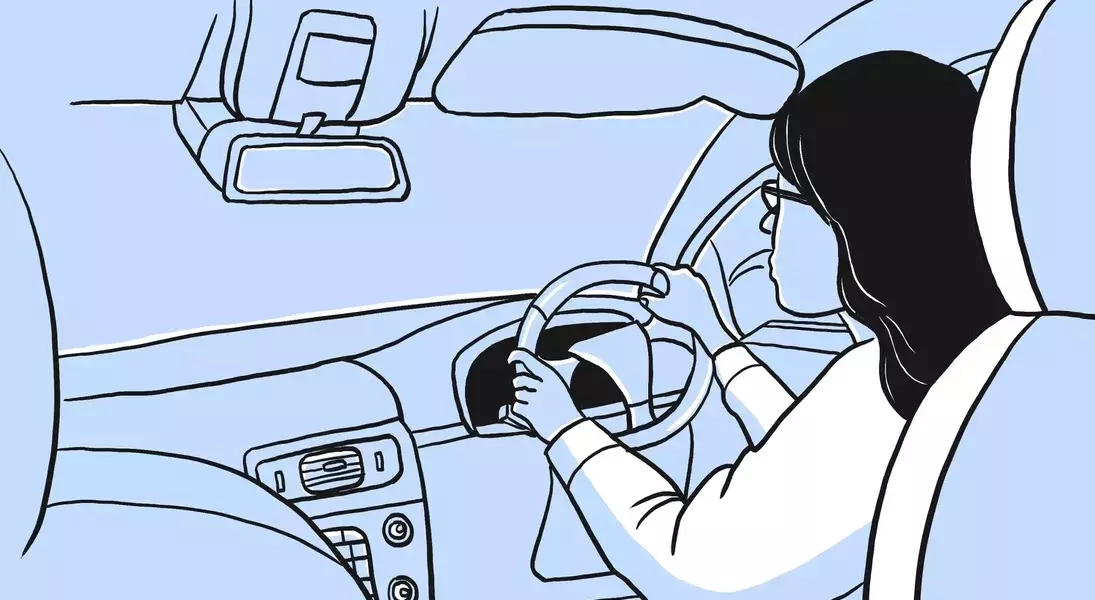
Understanding the actual financial impact of vehicle ownership extends far beyond the initial price tag. It encompasses a range of ongoing expenses like insurance premiums, fuel consumption, and regular upkeep. This report delves into the comprehensive costs associated with owning and operating an automobile, drawing insights from recent government statistics and analyses by the American Automobile Association (AAA). It aims to illuminate how these various expenditures can accumulate significantly over time, often surpassing initial expectations. Furthermore, the report offers actionable strategies and practical recommendations to help individuals effectively manage and potentially reduce these considerable financial burdens, enabling more economically sound decisions regarding personal transportation.
Understanding the Financial Landscape of Car Ownership
In the evolving landscape of 2025, the financial commitment required for vehicle ownership has continued to be a significant consideration for many. Data released by the U.S. Bureau of Labor Statistics for 2023 indicated a modest increase of 3.5% in new vehicle prices, juxtaposed with a 7.1% decrease in used vehicle prices. However, by 2025, both categories experienced an uptick, with the average new car priced at $52,183 and used cars at $26,043. The Bureau's consumer expenditure report for 2024 further detailed that the average annual cost of owning and operating a vehicle amounted to $13,947. This sum was broken down into $5,337 for the vehicle's acquisition, $2,411 for fuel and motor oil, $1,993 for insurance, and an additional $4,206 for other vehicle-related expenses. Other sources, notably the American Automobile Association (AAA), estimated the annual cost for a new car at $11,577.
The AAA, a long-standing authority on driving costs since 1950, presented its 2025 "Your Driving Costs" survey. This comprehensive survey meticulously calculated expenses such as gasoline, maintenance, insurance, licensing, registration fees, loan finance charges, and depreciation across various vehicle categories. The survey results revealed that, on average, individuals spent $11,577 annually on driving in 2025, a figure that notably excludes parking costs. For instance, a small sedan accrued an annual cost of $7,024 for 10,000 miles, increasing to $9,790 for 20,000 miles. A medium SUV (4WD) presented higher costs, ranging from $10,876 for 10,000 miles to $14,355 for 20,000 miles. These detailed statistics underscore the substantial and varied financial commitments inherent in car ownership.
As a savvy consumer in the automotive market, it's paramount to recognize that the expenditure for vehicle ownership extends beyond the sticker price. The continuous costs of insurance, fuel, and maintenance can accumulate substantially. By proactively exploring public transportation, considering carpooling, or opting for smaller, more fuel-efficient vehicles, significant savings can be realized. Furthermore, prioritizing consistent vehicle maintenance is a prudent approach to avoid more costly repairs down the line. These strategies not only lighten your financial load but also contribute to a more sustainable lifestyle. Making informed choices and embracing these cost-saving measures can transform the daunting prospect of car ownership into a manageable and economically sensible endeavor.
