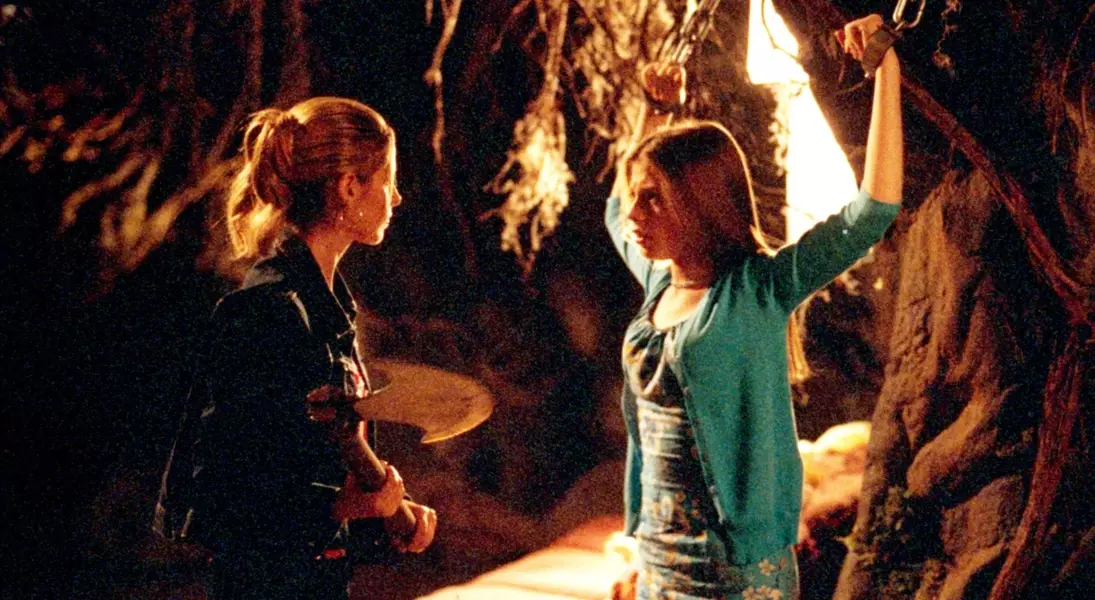
Recent developments have brought the creations of controversial figure Joss Whedon back into the spotlight, sparking discussions about the feasibility and ethical implications of reviving his universes. While a planned continuation of Buffy the Vampire Slayer, titled New Sunnydale, has been shelved, an animated rendition of Firefly is moving forward, with the original cast participating. These events compel a deeper look into whether the entertainment industry is prepared for a resurgence of Whedon's creative properties, especially given the allegations of misconduct against him. This situation highlights the complex balance between preserving beloved intellectual property and confronting the creator's problematic history, raising questions about how these reboots will navigate fan expectations and contemporary sensibilities.
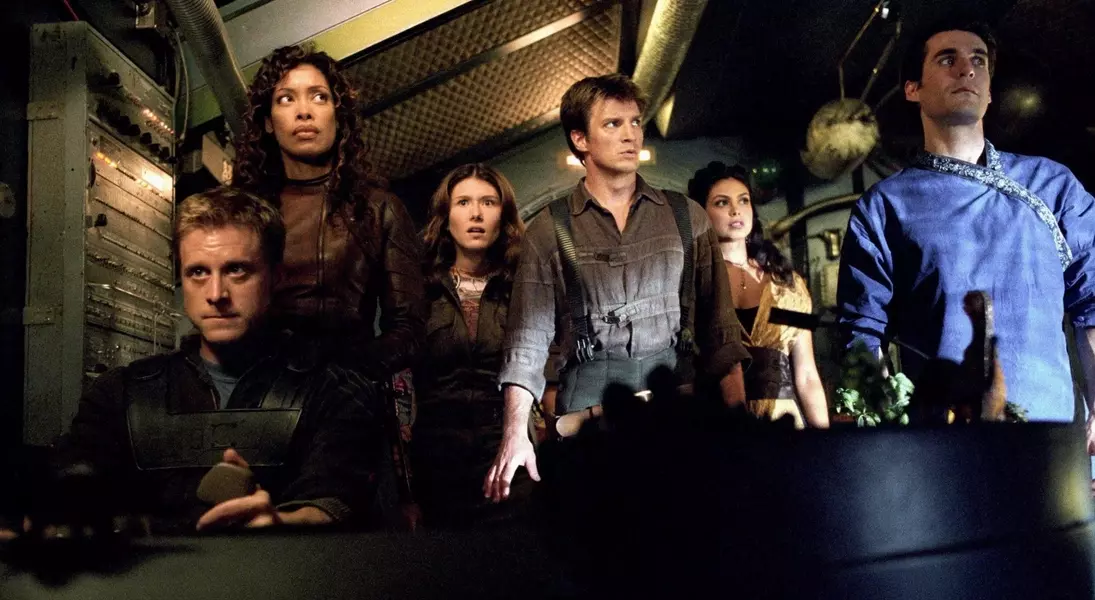
The past week has seen a flurry of activity surrounding Joss Whedon's notable works. The announcement of a Buffy the Vampire Slayer sequel series, New Sunnydale, generated considerable excitement among fans, only to be met with disappointment when its cancellation was confirmed. Reports suggest various issues behind the scenes contributed to its demise. Concurrently, news emerged of an animated Firefly revival, featuring the original cast, intended to bridge the gap between the live-action series and its cinematic follow-up, Serenity. Interestingly, while Whedon was not involved in the Buffy sequel, Firefly star Nathan Fillion sought Whedon's approval for the animated project, which is still seeking a distributor.
Whedon's public standing began to decline following accusations of inappropriate conduct during the production of Justice League in 2020, with actors Ray Fisher and Gal Gadot voicing complaints. In 2021, Buffy actress Charisma Carpenter publicly detailed Whedon's abusive and demeaning behavior on set, receiving support from co-stars Amber Benson and Michelle Trachtenberg. This period also saw the quiet cancellation of Whedon's HBO Max series, The Nevers, with its unaired episodes later released on Tubi. Despite his subsequent withdrawal from public life, the recent attempts to rejuvenate his earlier works signify Hollywood's ongoing interest in leveraging established franchises.
The entertainment industry's propensity for revisiting existing intellectual property is undeniable, as evidenced by numerous reboots and spin-offs. However, the prospect of revitalizing the Whedon-verse presents unique challenges. With Whedon himself unlikely to return to active production in the near future, a critical question arises: can the fictional worlds he constructed continue to thrive without his direct creative input, and perhaps more importantly, should they? These revivals must contend not only with fan loyalty but also with the shifting cultural landscape and the enduring controversies surrounding their original creator.
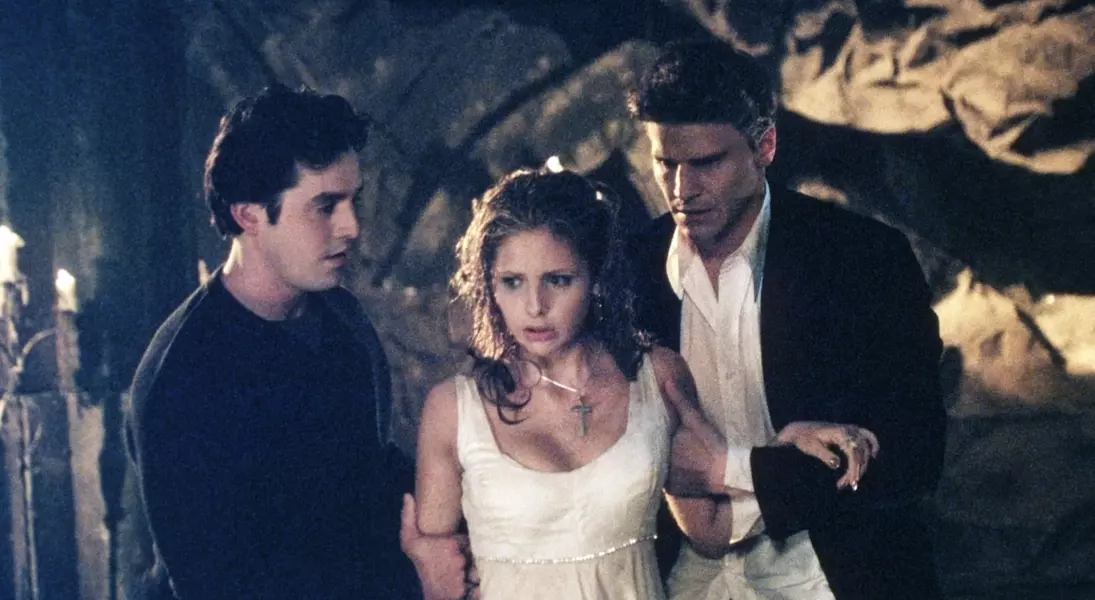
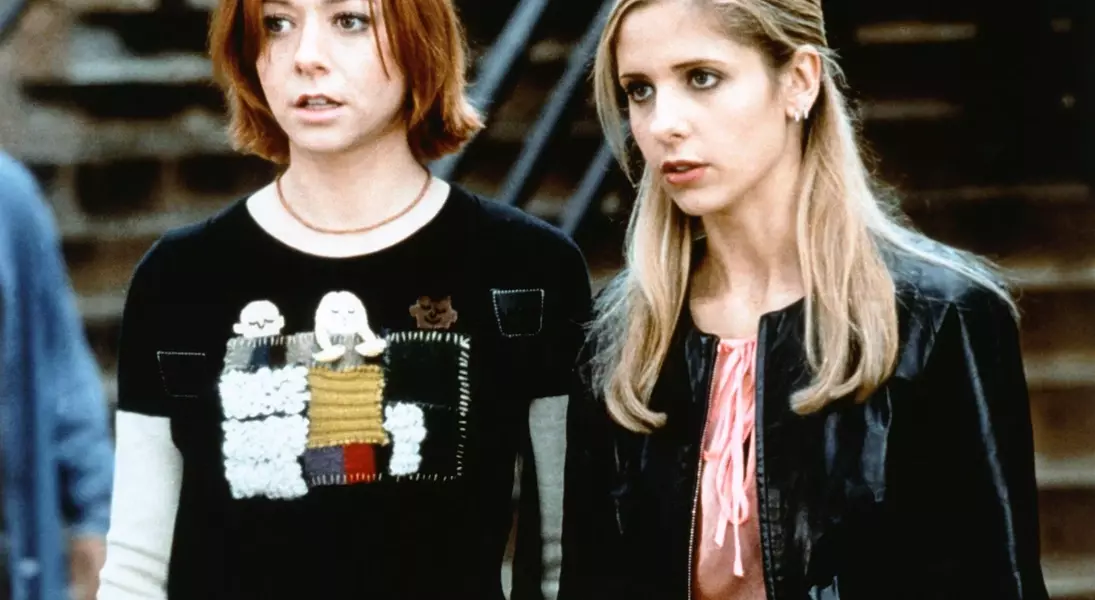
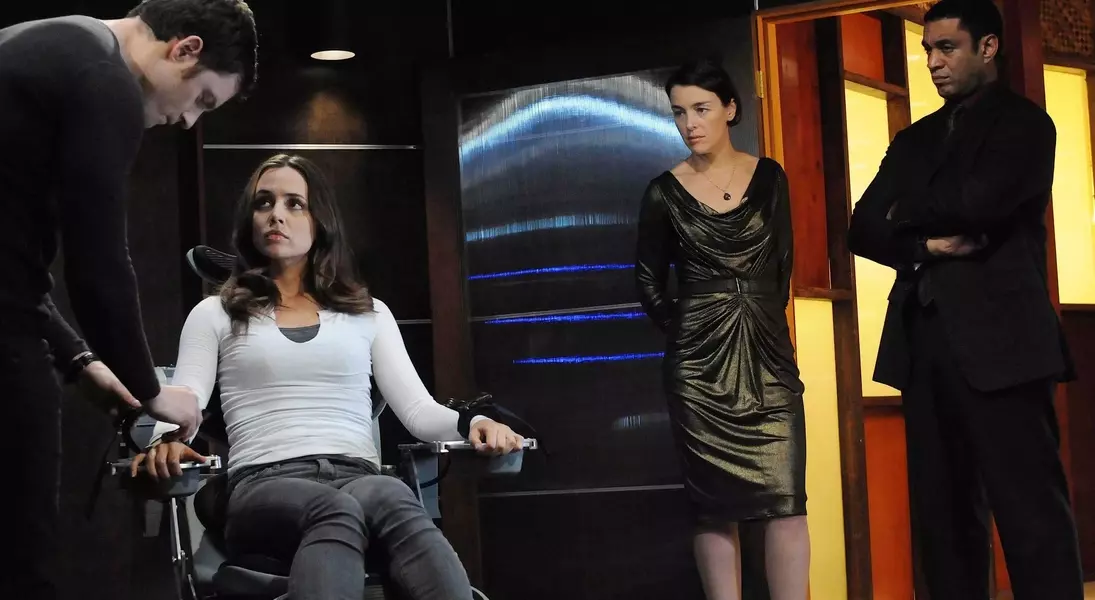
A defining characteristic of Whedon's shows is their distinct blend of witty humor, replete with pop culture references and self-aware commentary. His narratives frequently operate on multiple levels, fostering rich, nuanced storytelling and intricate world-building. Buffy the Vampire Slayer, over its seven seasons, evolved from a localized tale of a teenage vampire hunter into a complex global bureaucracy battling supernatural threats, underpinned by a deep, ancient mythology. While Firefly and Dollhouse had shorter runs, they too demonstrated significant narrative ambitions, hinting at expansive future developments, as exemplified by Dollhouse's series finale that leaped into a post-apocalyptic future.
Despite the allegations against Joss Whedon, his creative talent in television production remains widely acknowledged. The continued enthusiasm of fans for new iterations of Buffy and Firefly underscores a desire to reconnect with these beloved franchises. The allure of revisiting iconic characters and narratives, such as the Scooby Gang or the crew of Serenity, is a powerful draw for many. These shows provided a unique and engaging experience, which continues to resonate with audiences, making the prospect of their continuation appealing despite the complexities involved.
However, it is also undeniable that certain elements within Whedon's creations have not withstood the test of time. The pervasive, quippy dialogue, which he popularized in Buffy and subsequently influenced the Marvel Cinematic Universe, has become somewhat overused, even for dedicated fans. While Buffy often pushed this comedic style to extremes, Whedon's later projects also explored controversial themes. For instance, Firefly's depiction of a distant future, while innovative at the time, incorporated Mandarin swear words without featuring Chinese actors, a choice now viewed as cultural appropriation. Similarly, Dollhouse, despite its strong female lead, can be critically analyzed through the lens of the "male gaze."
Navigating the delicate balance between honoring a series' legacy and addressing its outdated or problematic aspects is a significant challenge for any revival. The cancellation of New Sunnydale might be attributable to this very difficulty, or perhaps to executive decisions. The animated Firefly revival, with less historical baggage from its single-season run, faces comparatively lower pressure to succeed. Its performance could serve as a crucial indicator of whether Whedon's universes can indeed thrive without his direct involvement, and if audiences are ready to embrace them anew. Should it succeed, it might pave the way for more such projects; a failure, however, could signal the end of future Whedon-verse revivals. Ultimately, while nostalgia is a powerful industry driver, a thoughtful examination of the purpose and value of these revivals, independent of their original creator, is essential.
