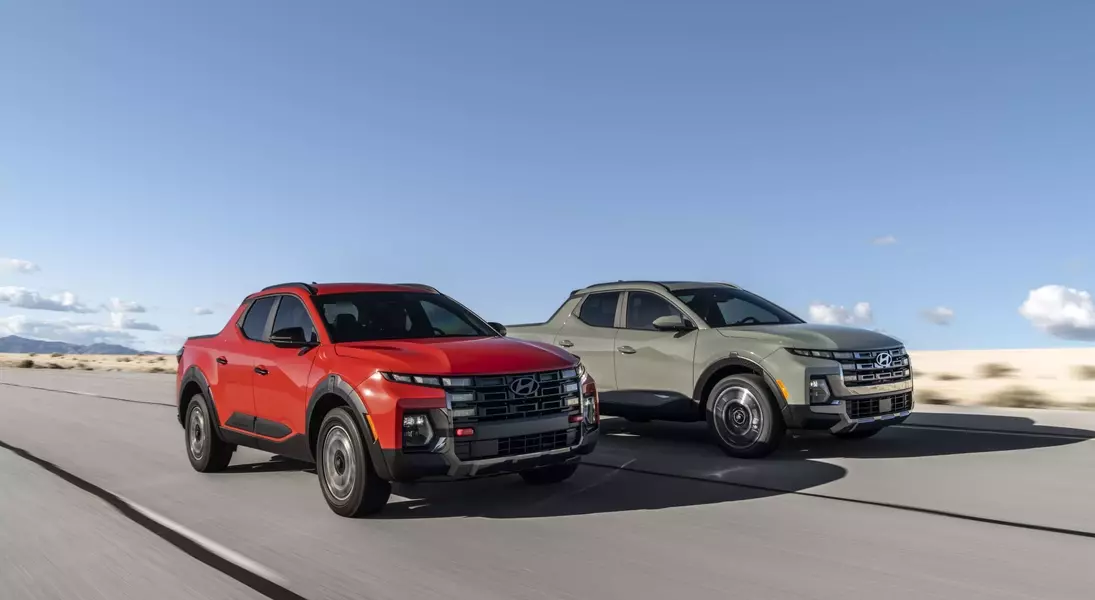
In the evolving landscape of automotive design, the category of "lifestyle" pickup trucks has carved out a niche, offering a compelling alternative to traditional, heavy-duty workhorses. These vehicles prioritize a harmonious blend of comfort, contemporary aesthetics, practical utility, and seamless integration into daily routines and recreational pursuits. This comparison meticulously examines two leading models in this segment for the 2026 model year: the Hyundai Santa Cruz and the Honda Ridgeline. While both are adept at fulfilling their intended roles, they do so through distinct design philosophies and feature sets, catering to diverse consumer preferences.
Ultimately, the choice between these two lifestyle pickups hinges on individual priorities. For those who value a fresh, expressive design, cutting-edge technology, and nimble urban maneuverability, the Hyundai Santa Cruz presents a compelling option. Conversely, the Honda Ridgeline appeals to drivers seeking a more established, practical, and family-friendly vehicle with superior cargo flexibility. Both models successfully redefine the pickup truck experience, offering comfort and versatility without the compromises often associated with larger, more traditional trucks.
Design and Performance: A Tale of Two Styles
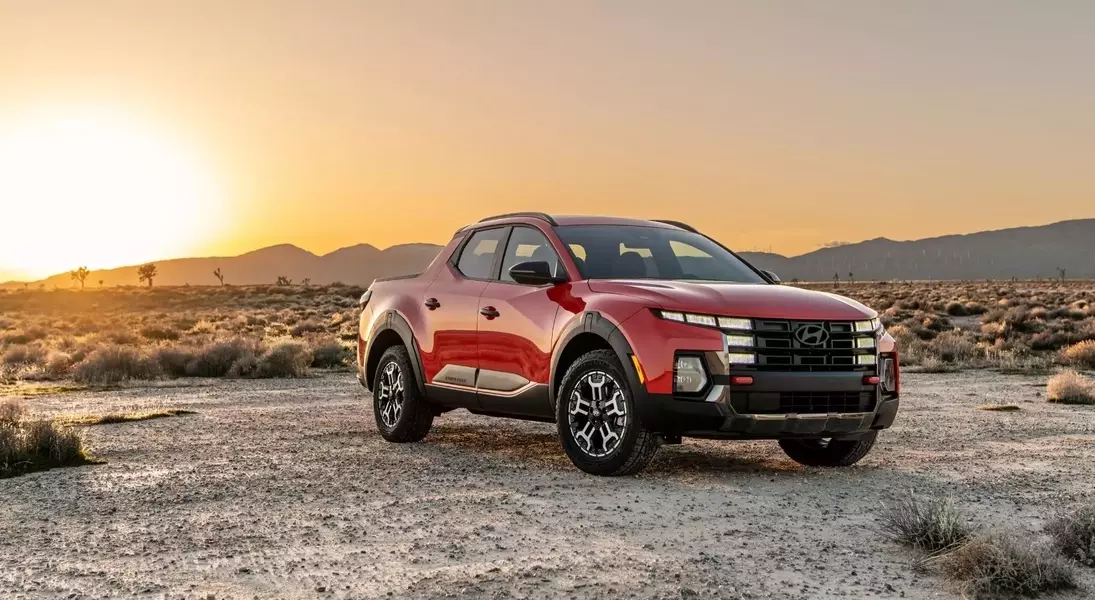
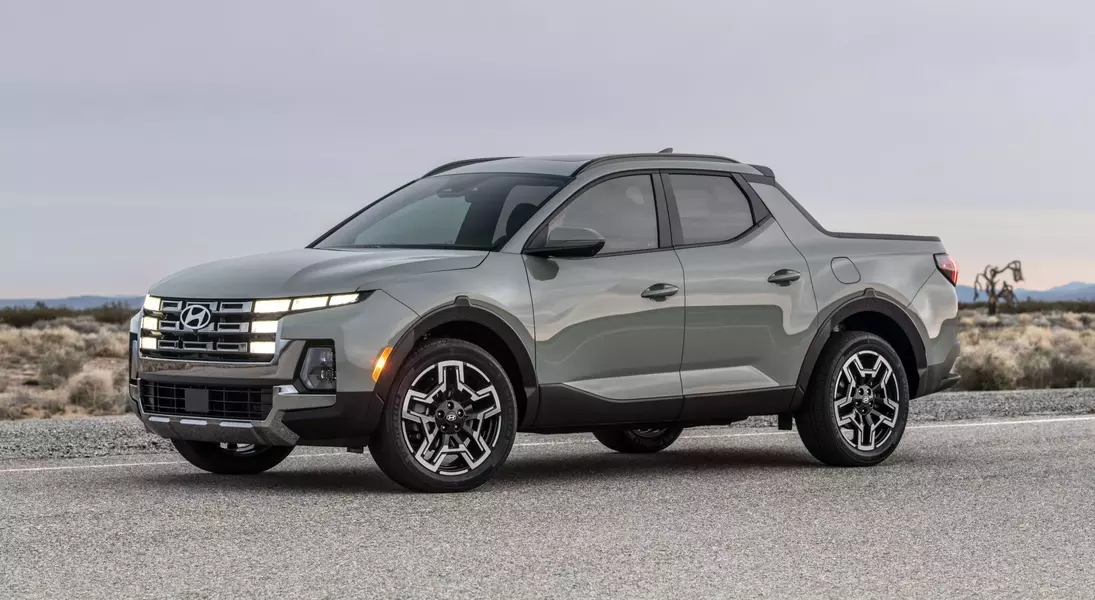
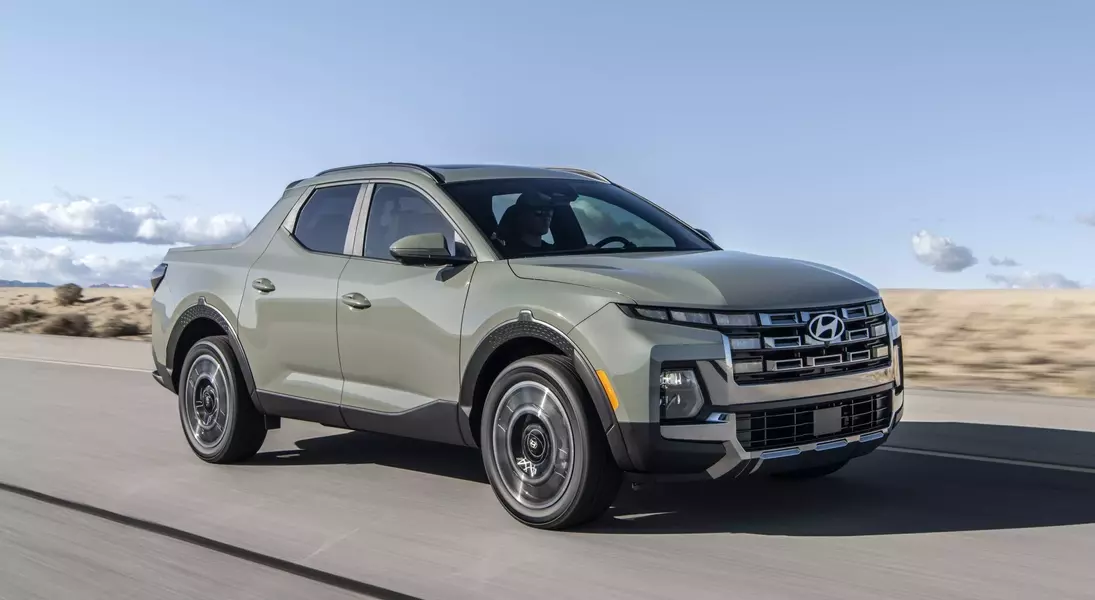
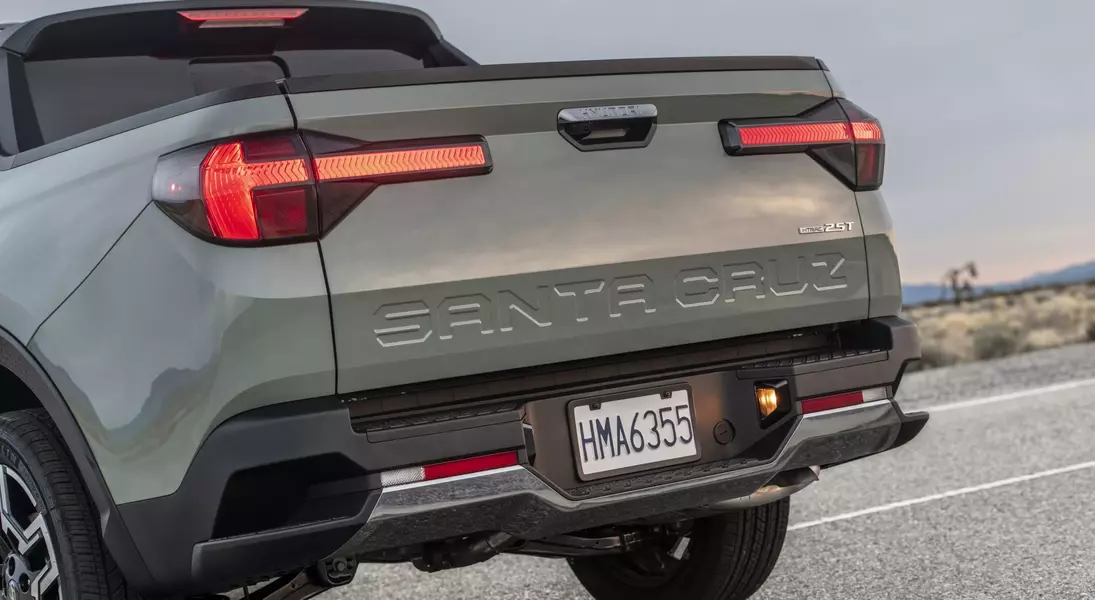
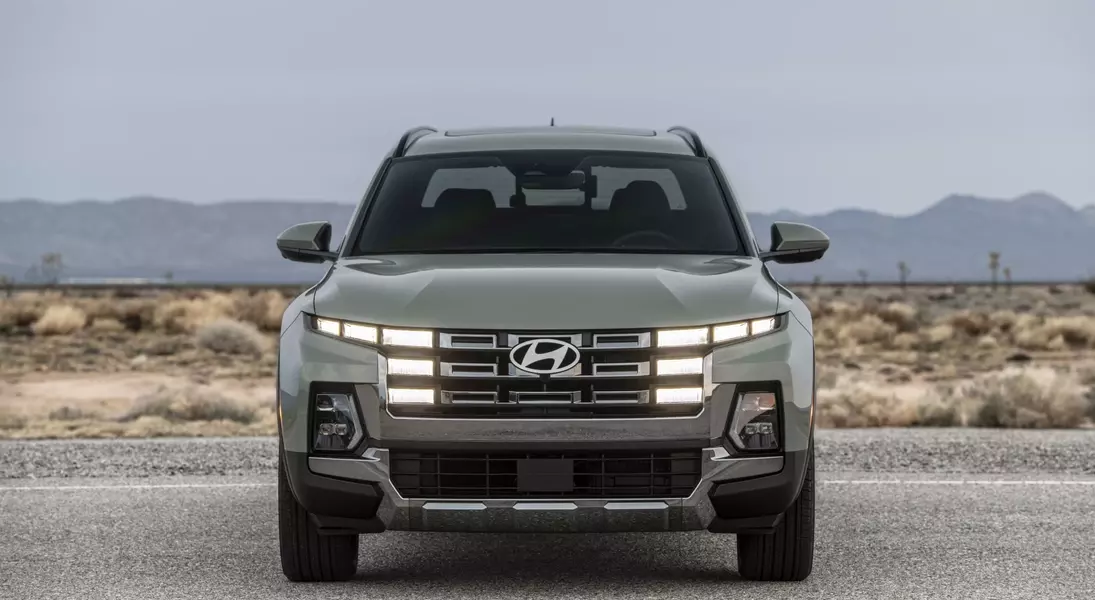
The Hyundai Santa Cruz distinguishes itself with a youthful, unconventional aesthetic, characterized by an updated front grille, integrated daytime running lights, assertive body lines, and a sharply angled C-pillar. Its design embodies a fusion of compact crossover agility with the inherent utility of a short-bed truck, appealing to those seeking a vehicle that is both stylish and expressive. Under the hood, the Santa Cruz offers a choice between a 191-horsepower 2.5-liter naturally aspirated four-cylinder engine and a more dynamic 281-horsepower turbocharged 2.5-liter variant. The turbocharged engine, paired with a smooth eight-speed automatic transmission, delivers robust acceleration, allowing the Santa Cruz to achieve 0-60 mph in a brisk 6.0 seconds. This powertrain significantly enhances the driving experience, making it particularly engaging for city driving and spirited excursions. The truck's handling characteristics are praised for their responsiveness and playful nature, reinforcing its crossover-like driving dynamics.
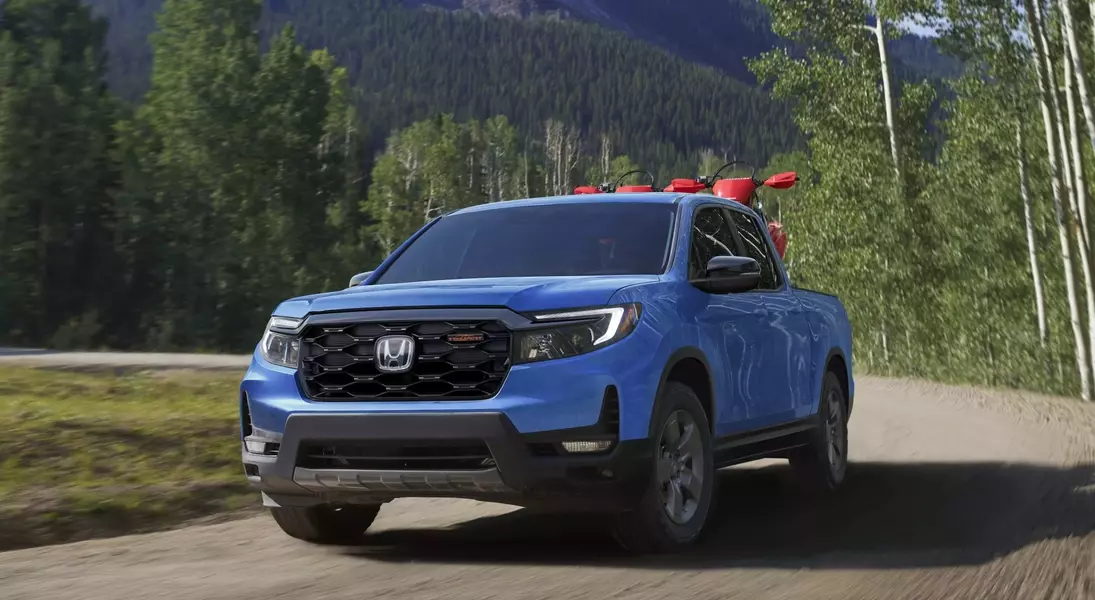
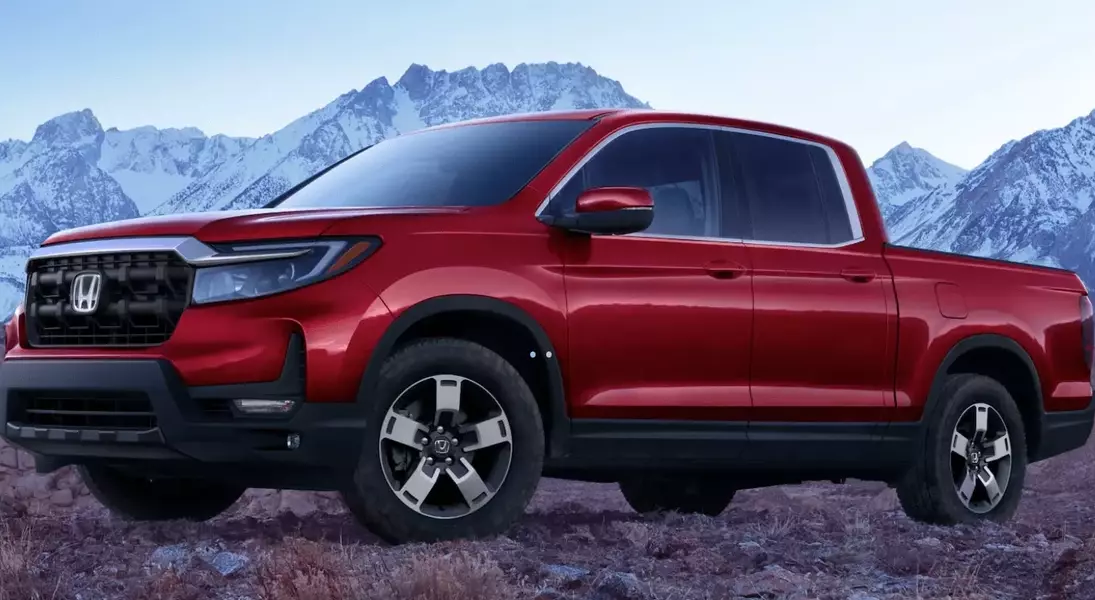
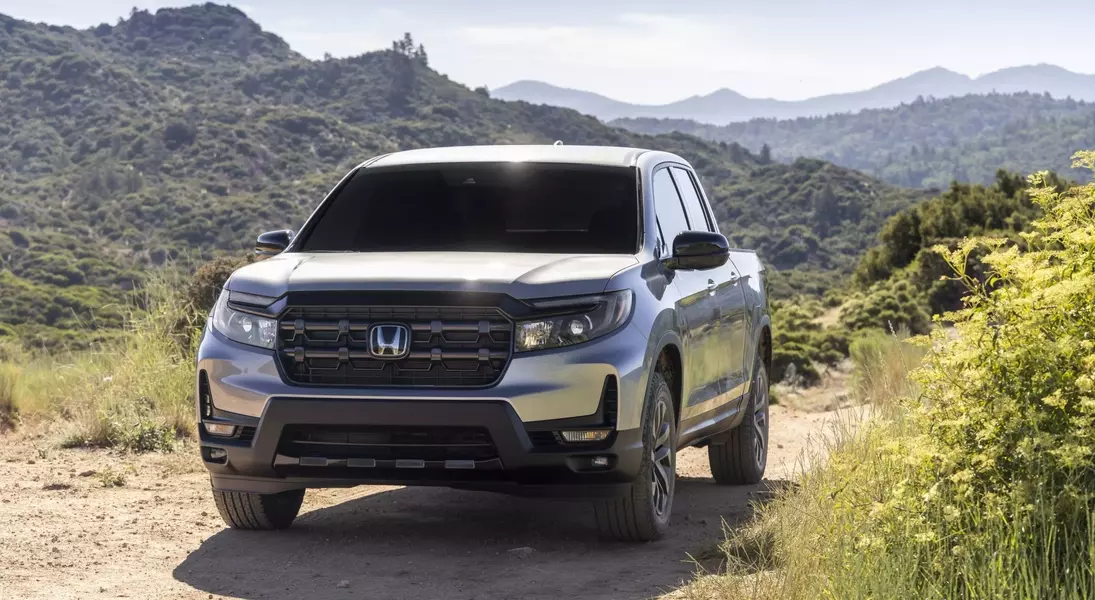
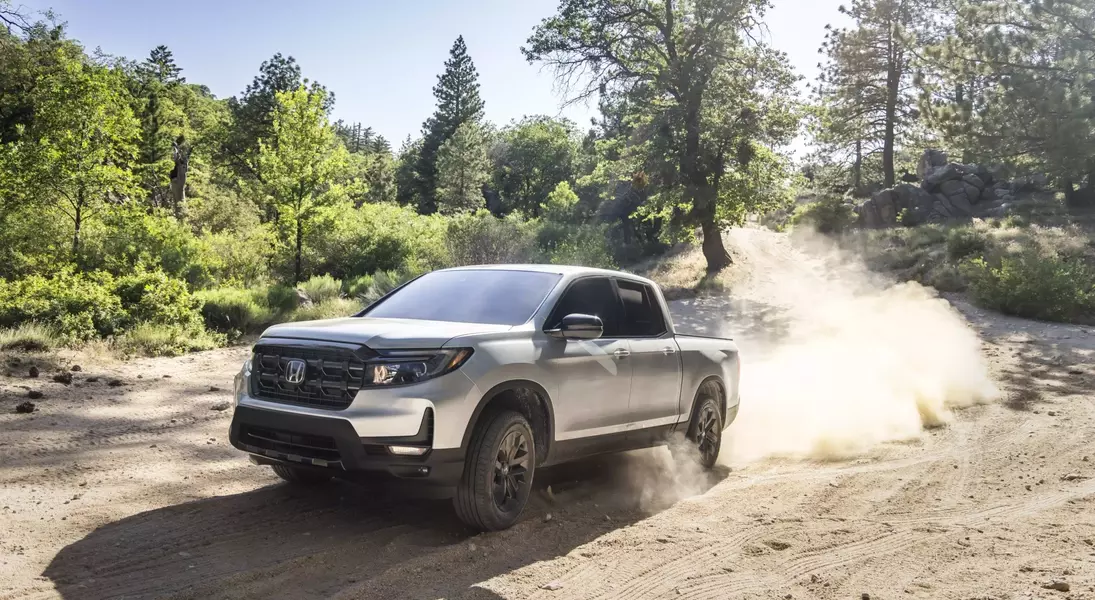
In contrast, the Honda Ridgeline projects a more traditional, yet understated, pickup truck persona. Its design features a robust, upright stance, a commanding front fascia, and a more conventional profile, evoking a sense of enduring strength and practicality. Specific trims, such as the TrailSport, introduce additional stylistic elements, including a distinctive grille, bespoke wheels, and unique color options, further enhancing its adventurous appeal without straying into overt extremism. The Ridgeline relies on a singular powertrain: a 3.5-liter V6 engine, which delivers smooth and authoritative power, complemented by a nine-speed automatic transmission. This configuration ensures confident performance and includes standard all-wheel drive across all trim levels. Matching the Santa Cruz's 0-60 mph acceleration time of 6.0 seconds, the Ridgeline offers a driving experience that transcends typical truck characteristics, feeling more akin to an agile SUV. Its independent rear suspension contributes to a stable and composed ride on various road surfaces, from highways to winding back roads, positioning it as a sophisticated and capable vehicle rather than a raw, performance-oriented machine.
Utility, Comfort, and Technology: Balancing Practicality with Innovation
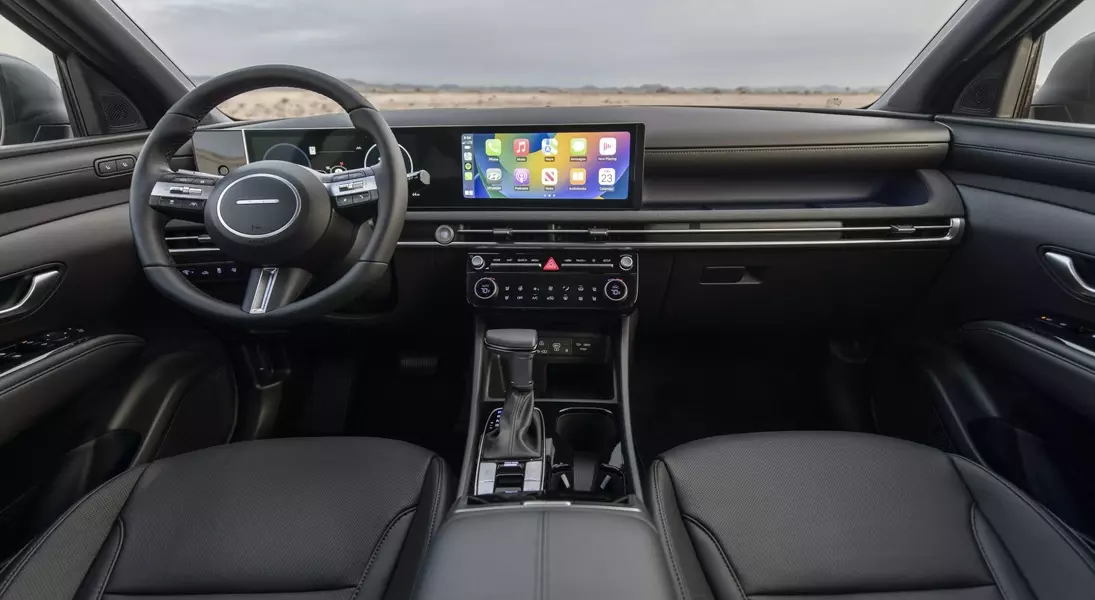
The Hyundai Santa Cruz, despite its shorter 52-inch composite bed, excels in maximizing its cargo space through thoughtful design. It incorporates multiple tie-down points, an optional factory-installed lockable tonneau cover, and a cleverly concealed underfloor storage compartment. These features cater to a lifestyle centered around outdoor activities and weekend projects, making it ideal for transporting items such as bicycles, camping gear, and sports equipment. With a maximum towing capacity of 3,500 pounds for the standard engine and an impressive 5,000 pounds with the turbocharged engine and all-wheel drive, alongside a payload capacity of 1,411 pounds, the Santa Cruz proves more than capable for recreational hauling. Inside, the Santa Cruz embraces a modern, technology-focused cabin. Recent updates for 2025 introduced a larger infotainment screen and improved physical controls for climate and audio. Higher trim levels boast dual 12.3-inch displays, a refined dashboard layout, and premium finishes that blur the lines between a rugged pickup and a luxurious crossover. Available features like ventilated seats and upscale materials contribute to a contemporary and sporty ambiance. However, the rear legroom, at 36.5 inches, is somewhat constrained, making it more suitable for shorter journeys or smaller occupants. Safety is a strong suit for the Santa Cruz, featuring an extensive array of driver-assistance technologies, including Forward Collision Avoidance Assist with Pedestrian Detection, Blind Spot Collision Warning, Lane Keep Assist, and Adaptive Cruise Control, earning it a Top Safety Pick rating.
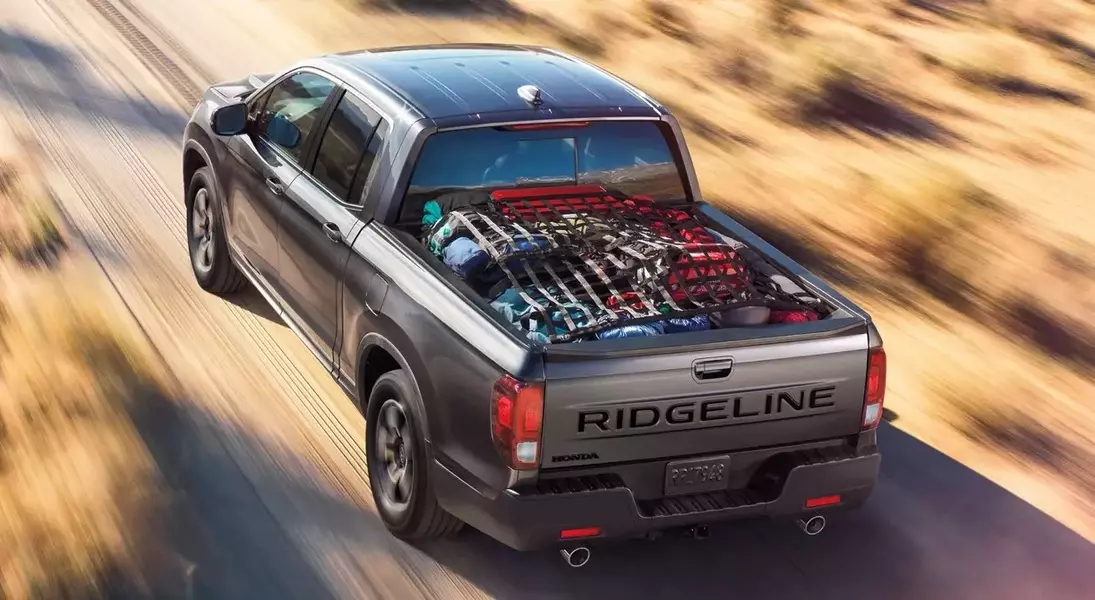
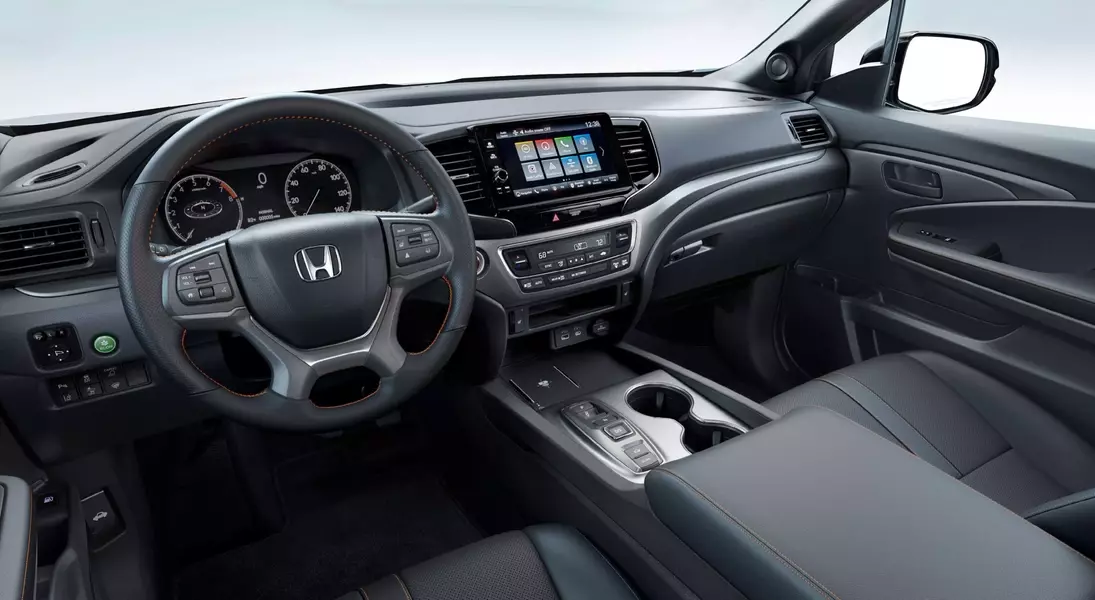
Conversely, the Honda Ridgeline offers a more substantial 64-inch bed, making it a highly versatile cargo hauler. Its signature dual-action tailgate, capable of both swinging open and dropping down, along with a spacious, weather-resistant under-bed storage trunk (which can double as an ice chest), underscores its exceptional practicality for those needing to transport larger items or perform regular truck-related duties. The Ridgeline mirrors the Santa Cruz with a 5,000-pound maximum towing capacity and slightly surpasses it in payload with up to 1,583 pounds, highlighting its robust utility. While the Ridgeline's interior, with its embedded touchscreen and conventional center console controls, appears somewhat dated compared to the Santa Cruz, it remains highly functional. It features a 9-inch infotainment screen and a 7-inch analog-digital driver display, which are adequate but smaller than those in its competitor. The second row offers slightly more legroom at 36.7 inches, though headroom is marginally less at 38.8 inches. The cabin evokes the spaciousness of a midsize SUV, characterized by excellent visibility, ample storage solutions, and an ergonomic layout. From a safety perspective, every Ridgeline comes equipped with essential features such as Collision Mitigation Braking, Road Departure Mitigation, Blind Spot Monitoring, and Adaptive Cruise Control. While comprehensive, its standard safety suite and driver-assist technologies are less advanced than those found in the Santa Cruz, a factor worth considering for families prioritizing cutting-edge safety. Pricing for the Santa Cruz starts at $29,500 for the base SE model, extending to $43,450 for the Limited trim. All-wheel drive is an additional $1,500 on lower trims, with higher trims like the XRT and Limited including it as standard. The Ridgeline, starting at $40,595 for the base Sport trim, is positioned at a higher price point but includes standard all-wheel drive. The top-tier Ridgeline Black Edition Two-Tone, priced at $47,695, commands a premium over the Santa Cruz, justified by its exclusive two-tone paint and leather seating options.
