This analysis explores the contrasting box art strategies employed for the 2007 Nintendo DS title, "Final Fantasy Fables: Chocobo Tales," specifically examining the differences between the North American design and the unified European/Japanese artwork. The discussion highlights how these visual presentations aimed to capture the essence of the game for various audiences.
The North American Approach: A Rich Tapestry of Detail
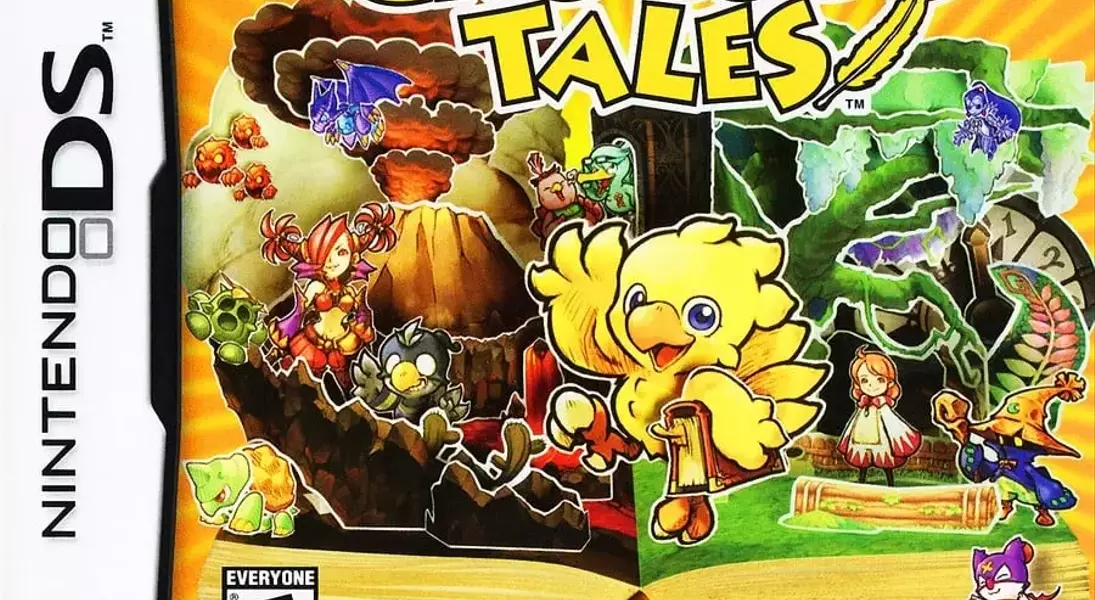
The North American box art for "Final Fantasy Fables: Chocobo Tales" adopted a highly detailed and intricate aesthetic, reminiscent of the beloved "Paper Mario" series. This design strategy aimed to immerse potential players in the game's world by showcasing a multitude of characters and vibrant environmental elements, creating a sense of depth and narrative. The artwork prominently featured a variety of sprites and a bright color palette, all contributing to a whimsical, storybook-like quality that immediately conveyed the game's charming and playful nature. While some might find the initial impression a bit overwhelming due to the sheer amount of visual information, the design was crafted to reveal more subtle nuances upon repeated viewing, encouraging a deeper appreciation for its artistic composition. This approach sought to communicate the game's rich content and engaging gameplay elements through its visually dense cover.
The North American cover distinguishes itself by presenting an almost encyclopedic view of the game's content. It prioritizes breadth over simplicity, aiming to convey the diverse experiences awaiting players within "Chocobo Tales." The choice of a detailed, almost miniature world on the cover serves to hint at the game's varied microgames, card-based combat, and the magical book narrative. This contrasts sharply with more minimalist designs, offering a sneak peek into the numerous adventures and charming characters, including Moogles, that populate the Final Fantasy universe. The visual storytelling through intricate details encourages curiosity, inviting players to uncover the many layers of this fantastical journey. Ultimately, this design seeks to promise a comprehensive and engaging experience from the very first glance.
The European/Japanese Perspective: Bold Simplicity
In stark contrast to the North American version, the European and Japanese markets received a box art design that embraced a philosophy of bold simplicity. This version notably scaled back the visual clutter, choosing instead to focus on a single, large, and highly stylized image of a Chocobo. This central figure, set against a striking bright yellow background, was intended to be immediately eye-catching and memorable. The design prioritizes instant recognition and a clean, impactful aesthetic over detailed narrative depiction. The question it implicitly poses to the viewer is whether this 'less is more' approach effectively captures the game's appeal, emphasizing the iconic nature of the Chocobo character as the primary draw. This minimalist strategy sought to create a strong visual identity that stood out on store shelves.
The European and Japanese cover's emphasis on a singular, prominent Chocobo serves to distill the game's essence into a powerful, iconic image. By foregoing the intricate background and multiple characters seen in the North American variant, this design focuses on the brand recognition and universal appeal of the Chocobo itself. The vibrant yellow backdrop further enhances its visibility, making the cover instantly recognizable and hard to ignore. While it might offer fewer clues about the specific gameplay mechanics or narrative elements, its strength lies in its ability to evoke a feeling of cuteness and accessibility. This artistic choice suggests that the charm of the Chocobo alone is sufficient to attract players, relying on the character's established popularity within the Final Fantasy franchise to convey the game's inherent value and enjoyment. It's a strategic move to create an immediate emotional connection with the viewer through simplicity and directness.
