Compact SUVs dominate the automotive market, with the Honda CR-V, Hyundai Tucson, and Nissan Rogue standing out as popular contenders. These vehicles strive to offer optimal comfort, practicality, and reliability within a highly competitive segment. To determine which model truly delivers on its promises, this analysis examines extensive owner satisfaction data from J.D. Power and Kelley Blue Book, providing a comprehensive look at both initial impressions and long-term ownership experiences.
Detailed Report on Compact SUV Owner Satisfaction
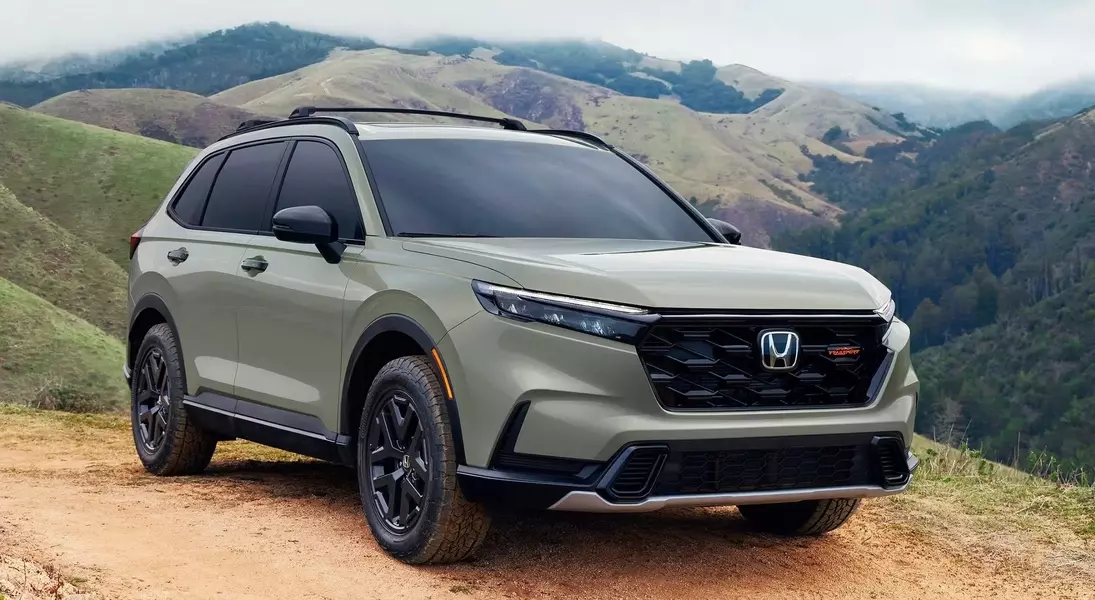
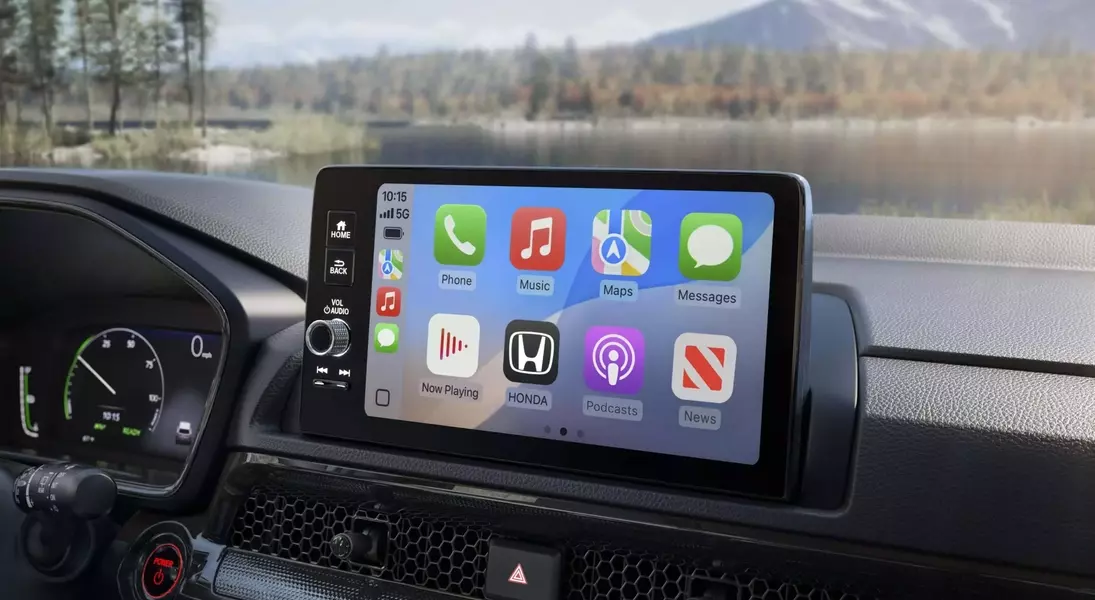
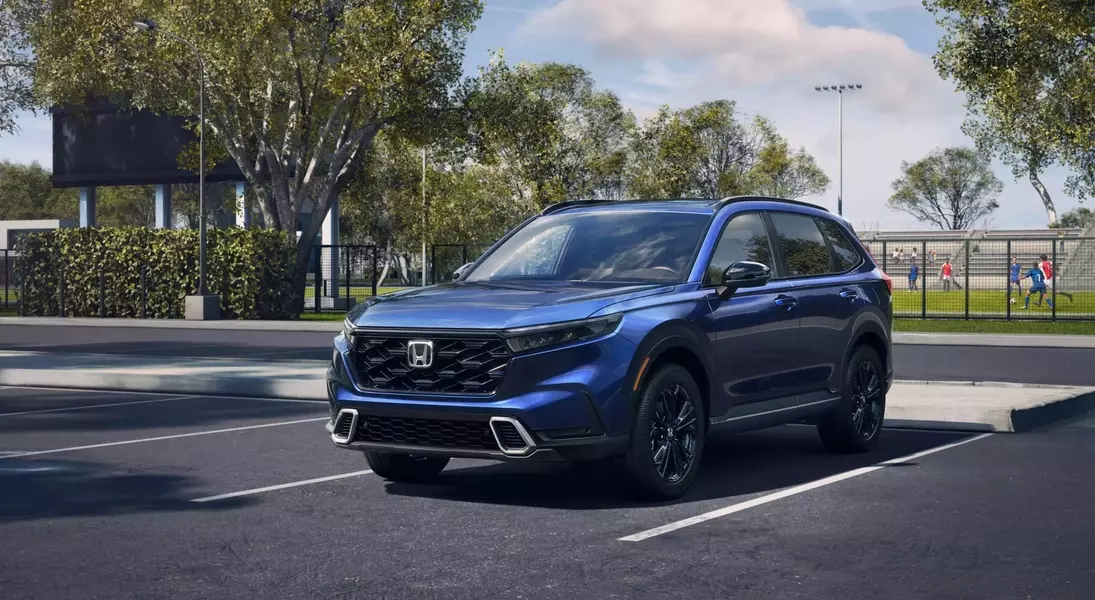
The Honda CR-V, having entered its sixth generation in the 2023 model year, introduced enhanced standard safety technologies and an upgraded two-motor hybrid system. Its strengths lie in a high-quality, user-friendly interior, excellent fuel economy, and class-leading cargo versatility. However, the model saw a slight dip in satisfaction during its generational transition in 2023, though it quickly rebounded.
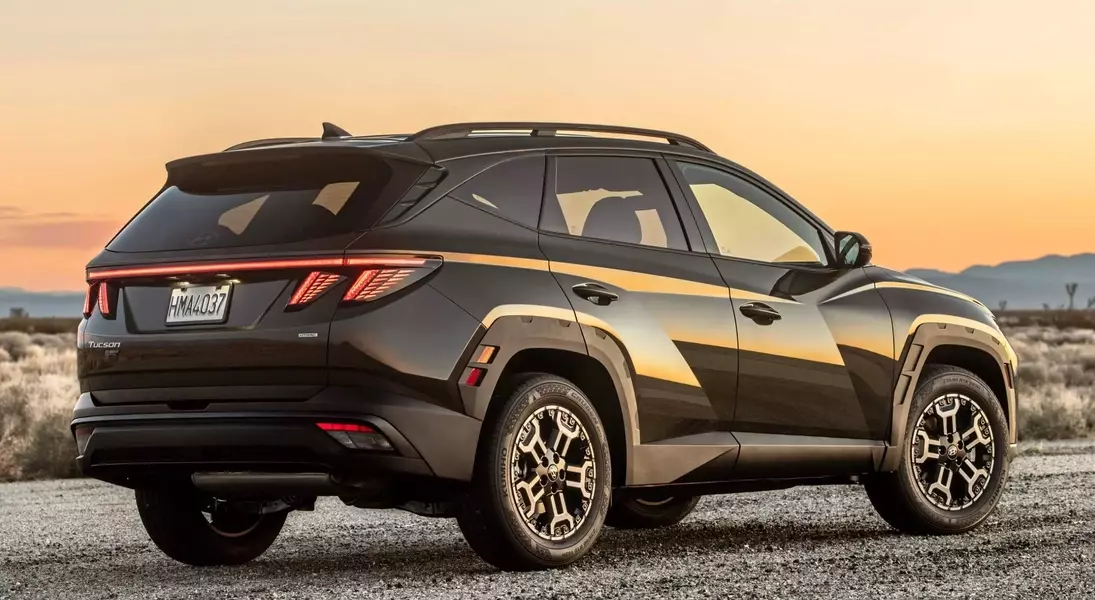
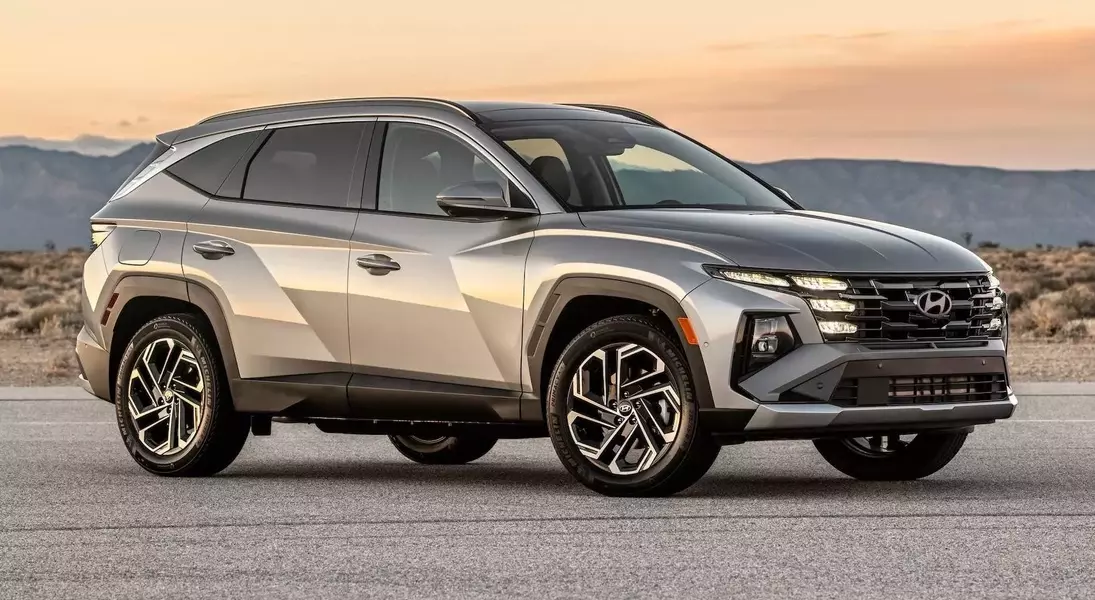
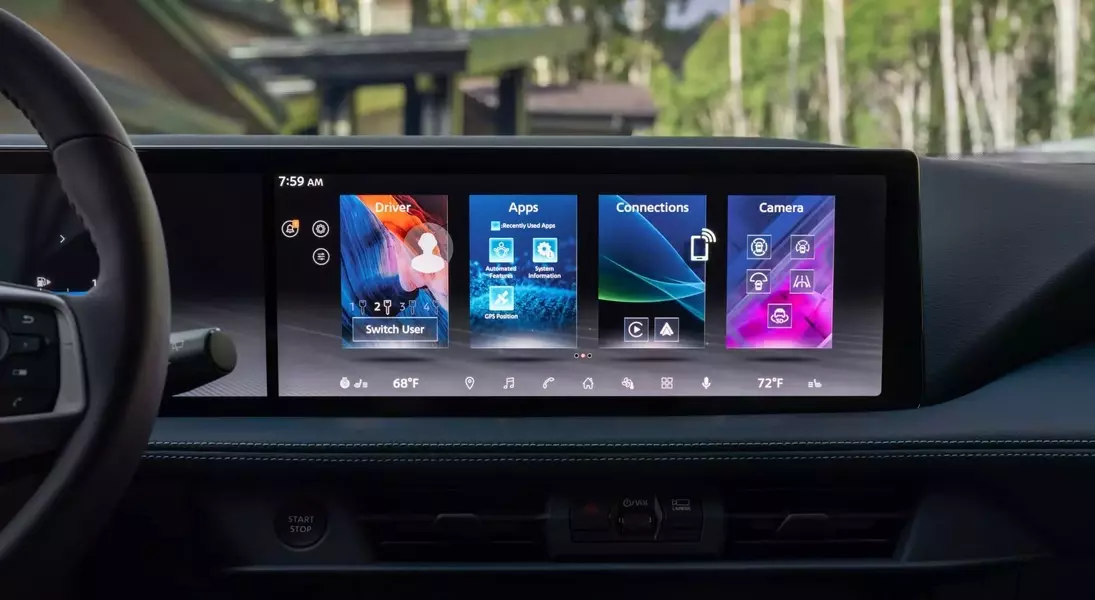
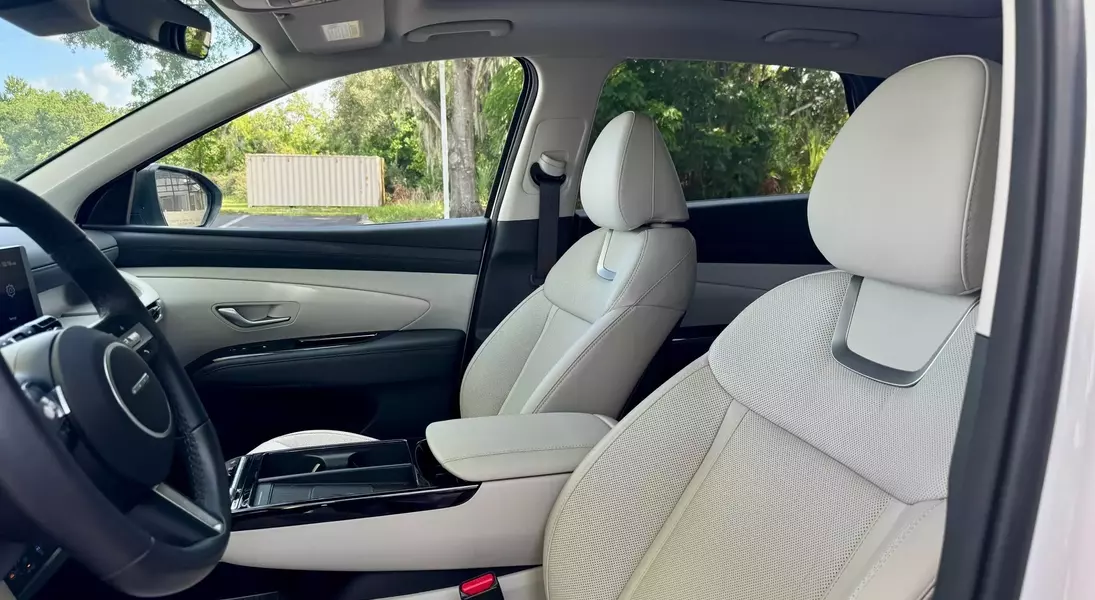
The Hyundai Tucson, which debuted its distinctive fourth-generation design in 2022, initially presented a somewhat polarizing angular aesthetic but came equipped with advanced technology, including expansive digital displays and a variety of powertrain options. Despite its impending replacement, the current model remains a strong seller. Owner feedback consistently highlights its refined and quiet cabin, generous rear passenger space, and impressive hybrid engine options. After an initial period of lower scores in 2022 and 2023 due to concerns about touch-panel controls and base engine performance, satisfaction levels have steadily increased, particularly following the 2025 refresh that brought improved electronic reliability.
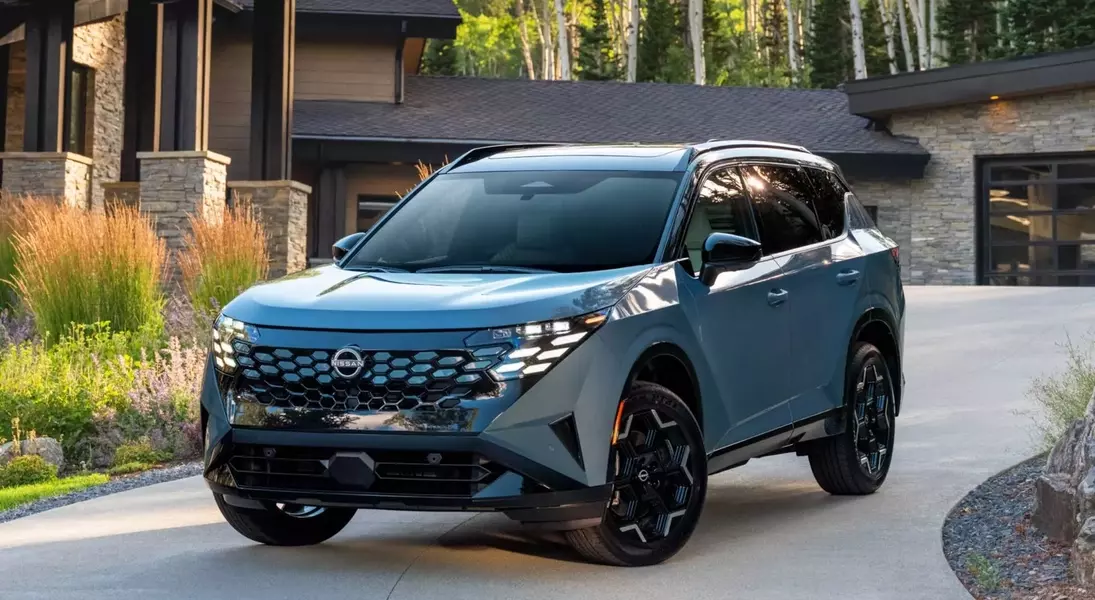
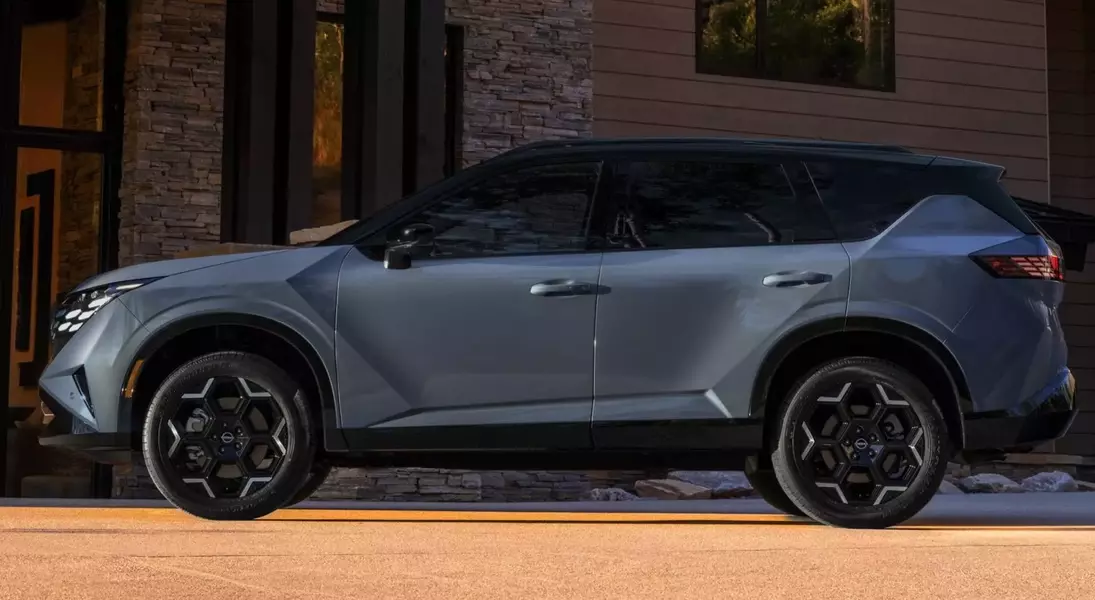
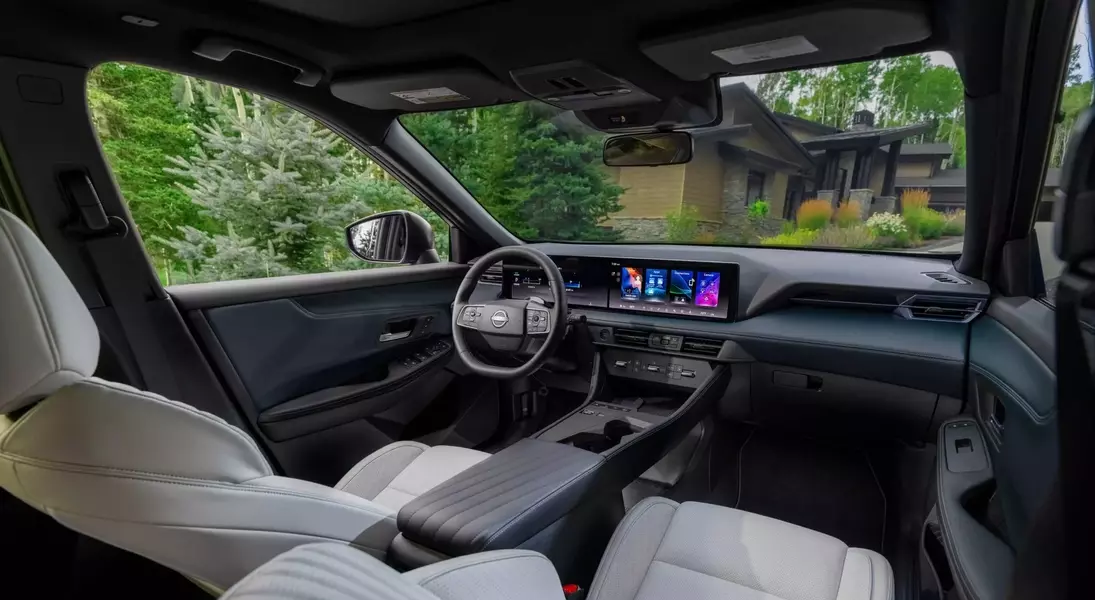
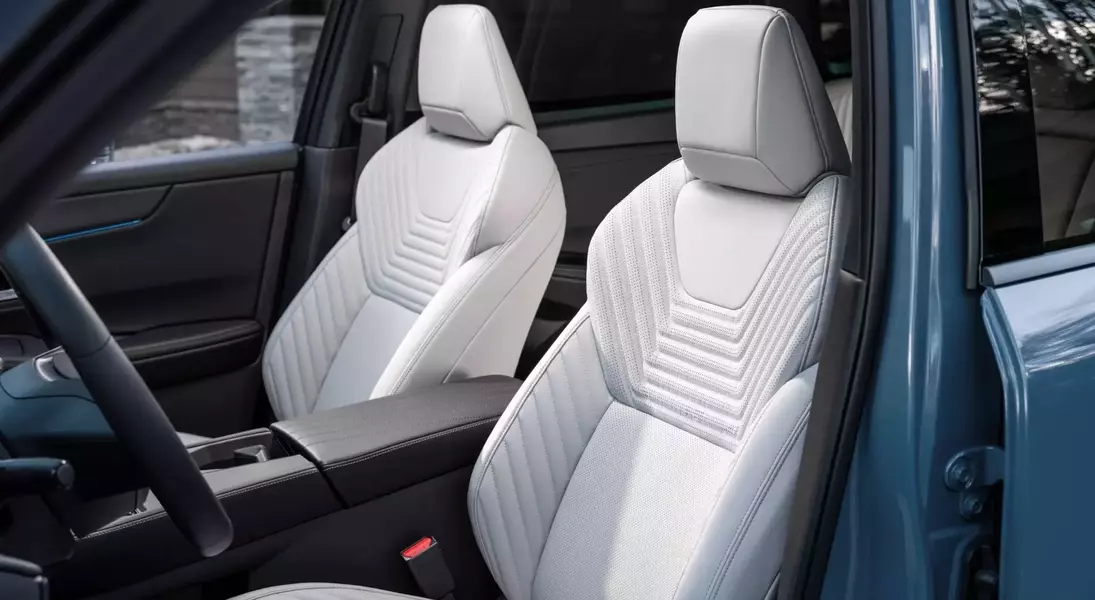
The Nissan Rogue, while having a longer market presence, offers substantial value, a wealth of standard and optional features, a remarkably comfortable interior, and commendable fuel efficiency. Initially, the Rogue garnered high praise for its driving experience, interior storage solutions, and perceived value in its mid-tier trims. However, long-term feedback from Kelley Blue Book indicates consistent but relatively lower satisfaction scores, mainly attributed to issues with its CVT transmission and reliability concerns regarding the turbocharged engine, despite positive comments on its Zero Gravity front seats and practical cabin layout.
J.D. Power's surveys, covering initial quality and design over the first 90 days of ownership and long-term dependability over three years, reveal strong early satisfaction across all three models, with the exception of the Tucson's initial new generation launch. Both the Rogue and CR-V consistently scored within the "Great" tier (81-90) in these early assessments. Kelley Blue Book, which gathers continuous owner feedback over a vehicle's entire production cycle, paints a slightly different picture, with the Hyundai Tucson taking a significant lead in overall long-term satisfaction.
Reflections on Owner Expectations and Vehicle Performance
These owner satisfaction surveys offer valuable insights beyond mere objective statistics, providing a personal and subjective dimension to vehicle performance. They help us understand how well a vehicle meets the diverse expectations of its owners, from fuel efficiency and ride comfort to build quality and dealership experiences. For example, a high-spec Hyundai Tucson Plug-In Hybrid is expected to deliver superior speed, efficiency, and luxury compared to its base model, and if it fails to meet these heightened expectations, it will be reflected in owner feedback.
Ultimately, while the Nissan Rogue and Honda CR-V tend to make a more favorable initial impression on owners, the Hyundai Tucson appears to be the more rewarding choice for those planning to keep their SUV for several years. This demonstrates that initial allure might not always translate to sustained satisfaction, and long-term dependability and an evolving understanding of a vehicle's capabilities significantly influence owner loyalty.
