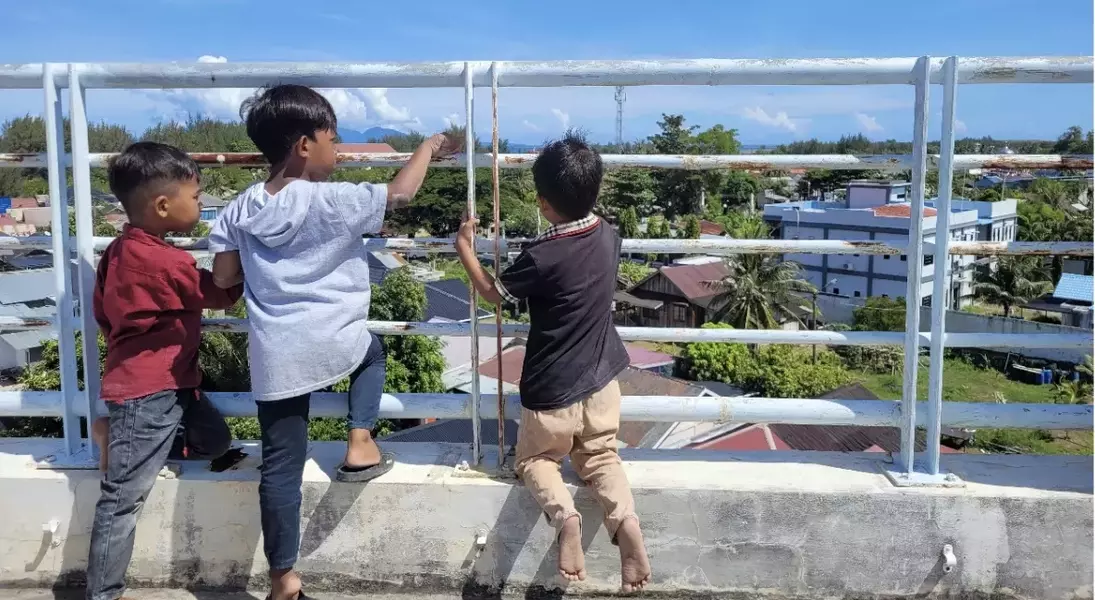
In the two decades since the devastating 2004 Indian Ocean tsunami, the world has witnessed both profound loss and remarkable progress. This tragic event claimed over 230,000 lives, displaced millions, and left an indelible mark on coastal communities across 14 countries. However, it also spurred unprecedented global cooperation and innovation in disaster preparedness. Today, early warning systems and community resilience programs have transformed vulnerable regions into models of preparedness, ensuring that future generations are better equipped to face natural disasters.
Transforming Tragedy into Progress
On a crisp December day two decades ago, the Indian Ocean was shaken by one of history's most catastrophic events. The tsunami not only reshaped coastlines but also deeply affected the lives of countless individuals. Yet, from this tragedy emerged a renewed commitment to building resilient communities. Governments and international partners collaborated to establish the Indian Ocean Tsunami Warning and Mitigation System (IOTWMS), which now enables regional tsunami service providers to issue alerts within minutes of seismic activity. Over 75% of high-risk coastal communities now have access to early warning information, a significant improvement from less than 25% in 2004.
Today, visible investments in warning infrastructure dot the coastlines—sirens in multiple languages, vertical shelters along beaches, and standardized evacuation routes. Regular drills ensure that residents, especially children, know exactly what to do when disaster strikes. Families keep emergency kits ready, livestock is moved to higher ground, and boats remain in deeper waters, safeguarding livelihoods. These measures reflect a comprehensive approach to disaster readiness that integrates multiple hazards, including floods and cyclones.
The Rising Tide of Challenges
While significant strides have been made, new challenges loom on the horizon. Climate change is intensifying water-related disasters, complicating efforts to protect coastal areas. According to ESCAP, approximately 68 million people in 43 Asian and Pacific countries are at risk, with critical infrastructure such as schools, hospitals, and seaports exposed along vulnerable coastlines. Addressing these risks requires sustained financial support, innovative public-private partnerships, and enhanced regional cooperation.
High-capacity nations can lead by integrating advanced technologies into community-driven preparedness initiatives, while low-capacity nations benefit from international assistance to establish basic monitoring systems. Subregional organizations like ASEAN and SAARC play crucial roles in addressing shared challenges through collaborative solutions. Additionally, sharing data and technological advancements remains vital for improving hazard monitoring and prediction, particularly in underserved coastal regions.
A Future Built on Resilience
The commemoration of the 2004 Indian Ocean tsunami serves as a powerful reminder of our collective vulnerability and the importance of interdependence. It underscores the transformative power of collaboration in overcoming adversity. As we honor those lost, we must commit to a future where coastal communities thrive, early warnings reach everyone, and disasters no longer devastate lives and livelihoods. Strengthening resilience is not just a regional imperative—it is a global responsibility that demands ongoing commitment and innovation.
