
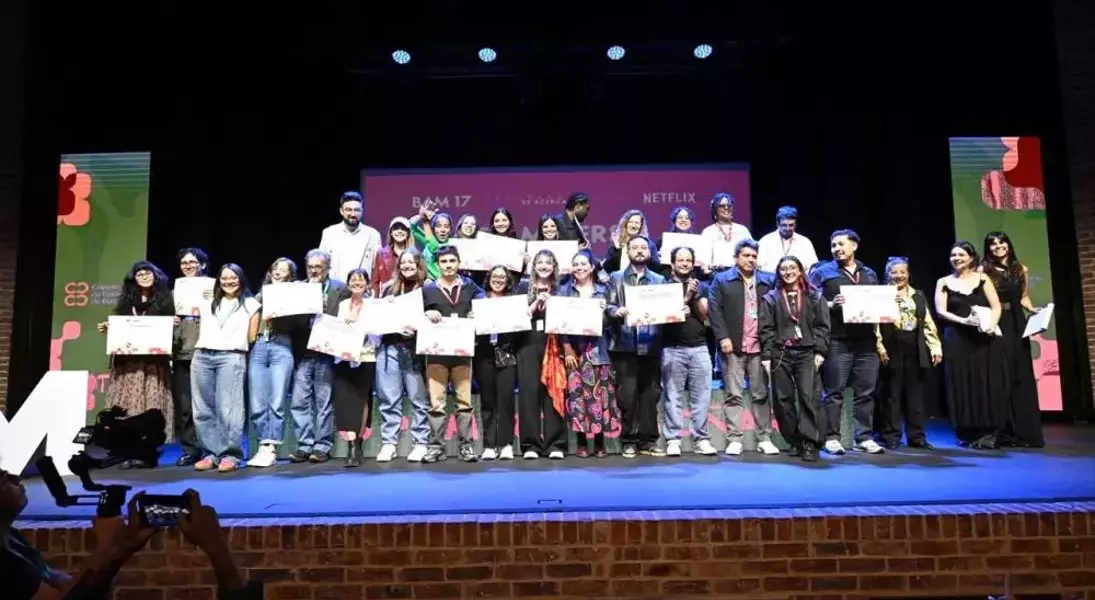

The 17th Bogotá Audiovisual Market (BAM) recently concluded, showcasing a vibrant period for Colombia's film and television industry. The event saw a notable increase in participation, with 2,336 accredited attendees engaging in 271 industry activities and 882 one-on-one business meetings. This surge in activity underscores Colombia's growing reputation as a hub for captivating storytelling and skilled talent, attracting international interest and fostering numerous collaborative opportunities. Carlos Eduardo Moreno, director of BAM, expressed confidence that many projects nurtured at the market would soon evolve into films, series, and audiovisual experiences that will captivate global audiences in the years to come.
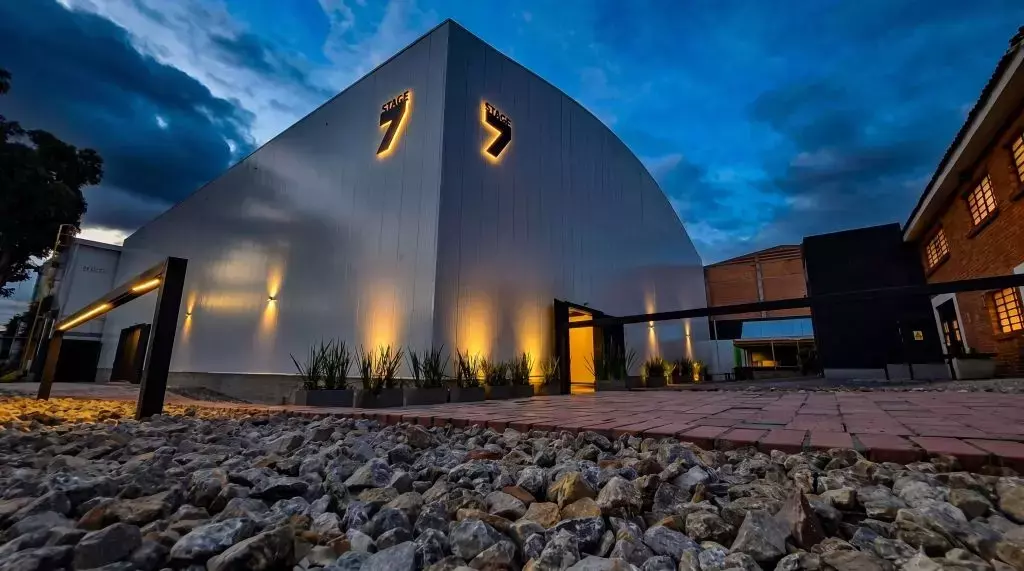
Alongside BAM's success, the Colombian audiovisual landscape is witnessing significant infrastructure and technological advancements. TIS Studios unveiled 'Stage 7,' an expansive 18,300-square-foot soundstage, now the largest in Colombia and among the biggest in Latin America, designed to accommodate major international productions. This addition, combined with Colombia's attractive production incentives and TIS Studios' nearly three decades of expertise, offers a compelling proposition for global filmmakers. Furthermore, visual effects companies such as Folks Bogotá and Loma are expanding their operations, drawing international clientele with their competitive services and innovative virtual production technologies, including LED volumes and real-time rendering. These developments have positioned Colombia as a go-to location for high-quality production, further cemented by major platforms like Netflix continuing to expand their content slate in the region.
Despite the current boom, a recent industry study presented at BAM highlighted critical challenges regarding the long-term sustainability of Colombia's film sector. The study revealed that while Film Law 814 and associated tax incentives have fueled a massive increase in film production—from two features annually before 2003 to 548 between 2015 and 2025—this growth hasn't translated into robust production companies. A significant majority of production houses struggle to secure follow-up projects, indicating a gap in building enduring businesses. Producer-director Cristina Gallego emphasized the need for a more integrated policy approach, advocating for expanded funding, improved incentives, and enhanced support for distribution and promotion to ensure that the creative flourishing translates into a stable and thriving industry ecosystem. She stressed the importance of collaborative efforts across all stakeholders, including government ministries, to foster sustainable growth for both companies and the individuals powering the industry.
Colombia's journey in the audiovisual sector reflects immense potential and dynamic growth, driven by both market initiatives and infrastructural development. To fully realize this potential and build a truly resilient industry, continuous innovation, strategic investment, and collaborative frameworks are essential. By addressing the identified challenges, Colombia can solidify its position as a global leader in content creation, inspiring future generations of storytellers and showcasing its rich cultural narrative to the world.
