Code Vein 2 attempts to weave an intricate narrative within a hack-and-slash framework, leading to a rather paradoxical experience. While the combat bursts with energy and offers satisfyingly brisk engagements, the game's loftier ambitions are often undermined by weak character development and technical inconsistencies. The game's world, despite its visual appeal, feels underutilized, with its time-travel mechanic adding little substantive difference between past and present environments. Performance issues, including frequent frame rate drops, further detract from the overall immersion, especially in the more expansive open-world segments. The attempt to blend complex lore with accessible action creates a game that is enjoyable on the surface, but struggles to achieve its full potential, leaving players to navigate a story that sometimes feels more like an obligation than an engaging adventure.
The Dual Nature of Code Vein 2: Engaging Combat Meets Narrative Shortcomings
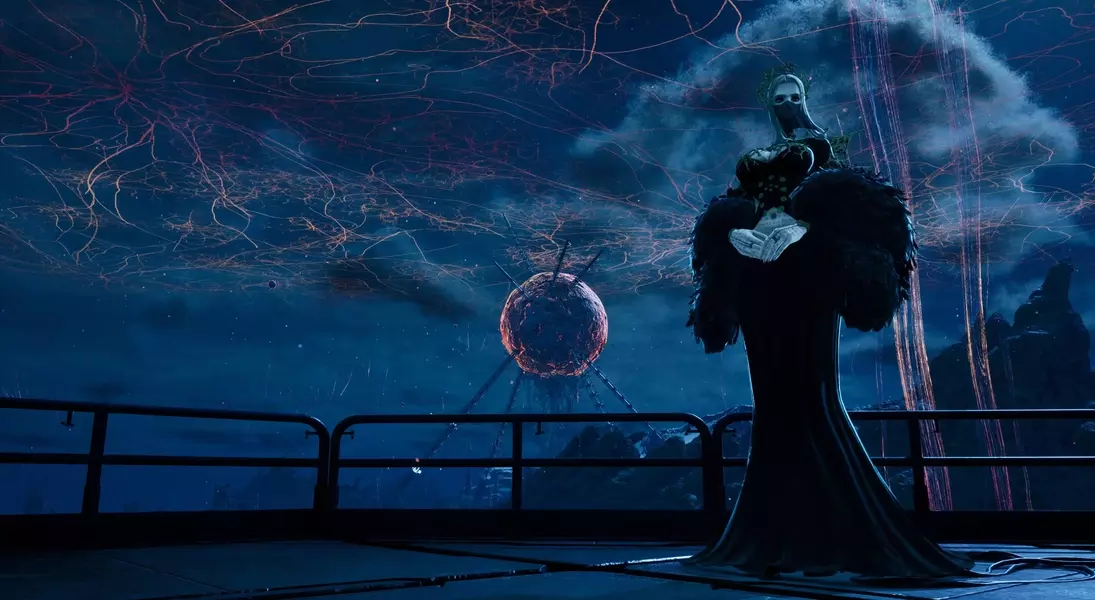
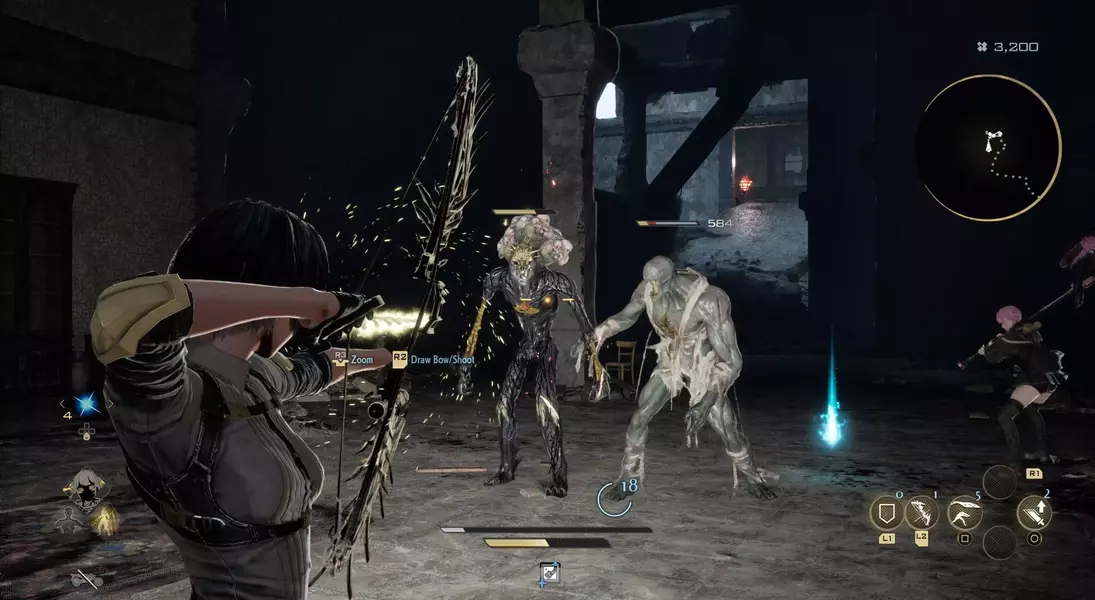
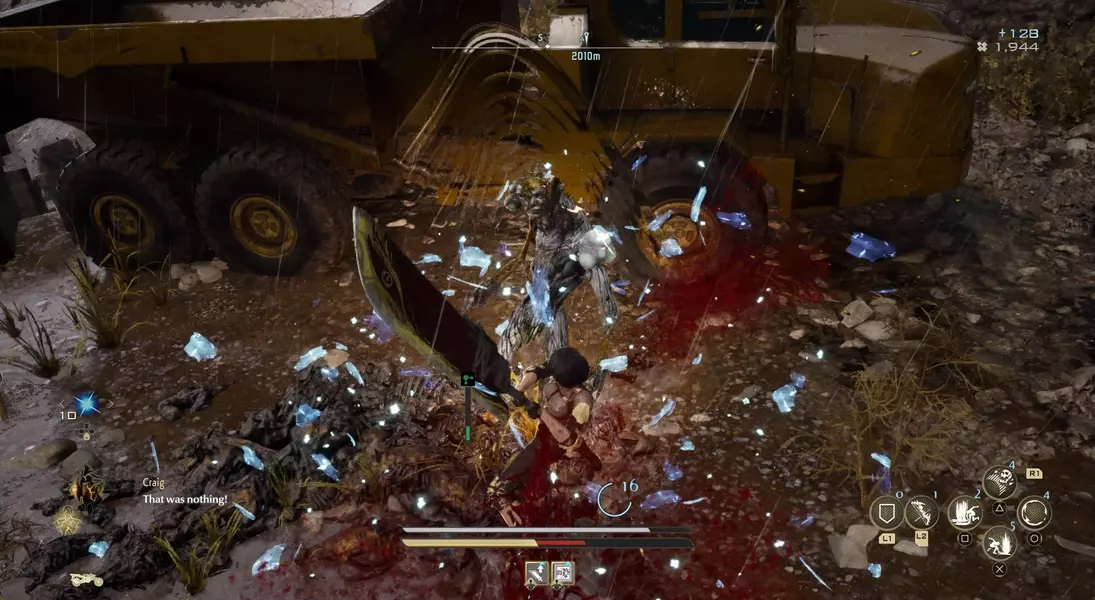
In the grim, gothic art deco landscape of a post-apocalyptic world, players are thrust into the role of a silent protagonist in Code Vein 2, tasked with a mission of temporal displacement to avert a looming double apocalypse. Under the guidance of the formidable Lavinia, reminiscent of Resident Evil Village's Lady Dimitrescu, the objective is deceptively simple: journey through time, confront, and defeat five legendary heroes from the past to secure the world's future. While the narrative is laden with esoteric terminology and convoluted explanations, the core gameplay loop remains a straightforward hack-and-slash adventure, focusing on direct engagement rather than intricate strategic depth. The game embraces the soulslike genre's conventions, featuring limited healing, bonfires for respite, and dodge mechanics, yet it distinguishes itself with a more forgiving and action-oriented combat system, welcoming players of all skill levels. Basic light attacks prove surprisingly effective against a variety of foes, from mutated canines to colossal skeletal centipedes, highlighting the game's emphasis on accessibility over demanding precision.
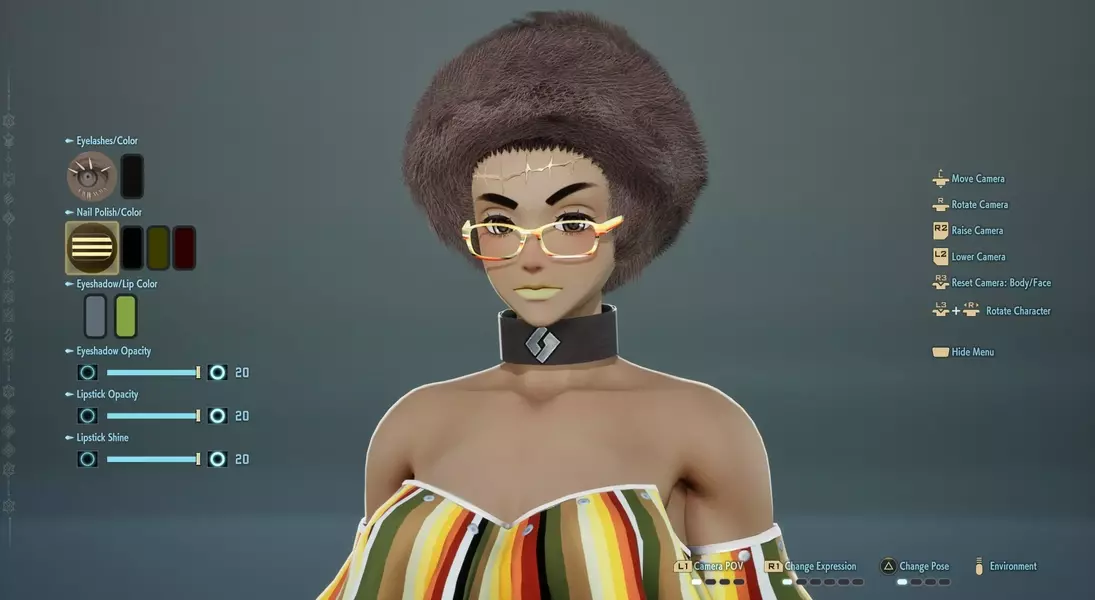
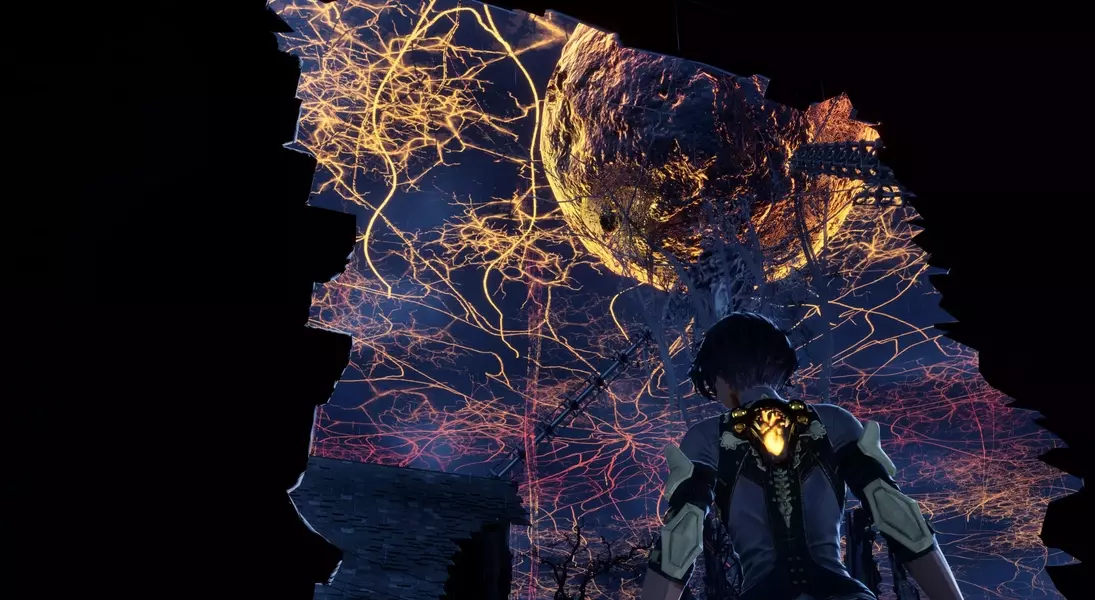
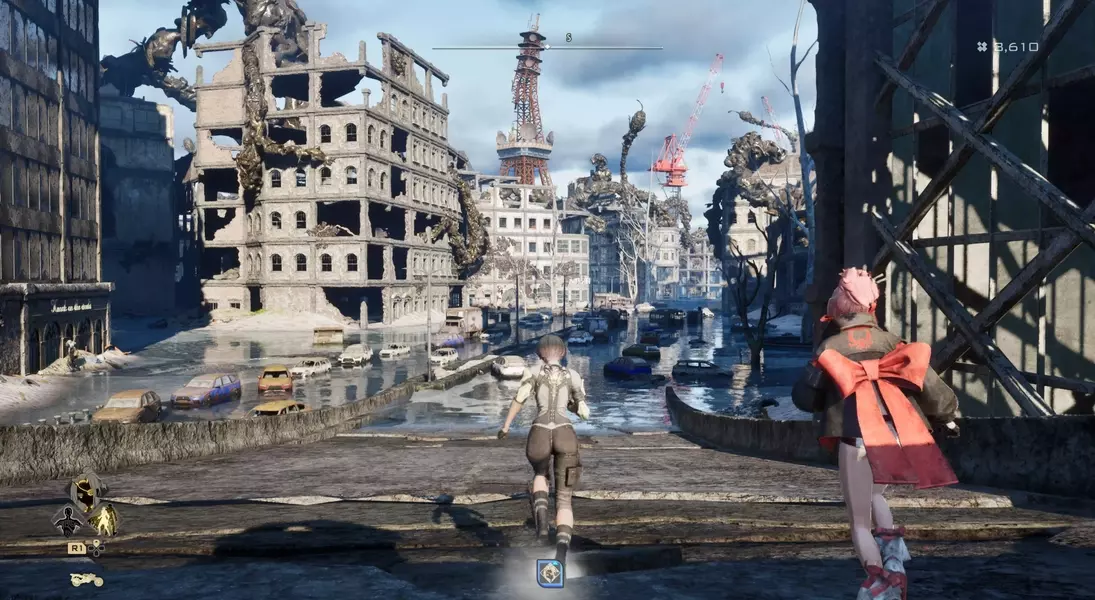
Customization options abound, allowing players to fine-tune weapons with elemental styles and equip various stat-boosting gear. These choices enable diverse gameplay builds, though the game's inherent ease often renders deeper engagement with these systems optional. The journey is made less solitary by AI companions who actively assist in combat, drawing enemy attention, inflicting damage, and even providing a crucial second chance upon defeat, reinforcing a "fight first, think later" approach. However, this aggressive combat style frequently clashes with the lingering stamina bar mechanic, a remnant of its soulslike influences, which can feel restrictive. Despite these mechanical tensions, the game's diverse and visually striking dungeons—ranging from submerged cities to eerie amusement parks—maintain a fresh and compelling pace, encouraging constant exploration. Yet, the open-world segments, particularly the interchangeable past and present maps, offer little in the way of meaningful exploration, often filled with redundant upgrade materials and an underdeveloped crafting system. Performance issues, such as noticeable frame rate fluctuations even on capable hardware (Intel Core i7-13700F, NVIDIA GeForce RTX 3060 Ti), further mar the experience, undermining the otherwise robust visual presentation and atmospheric design.
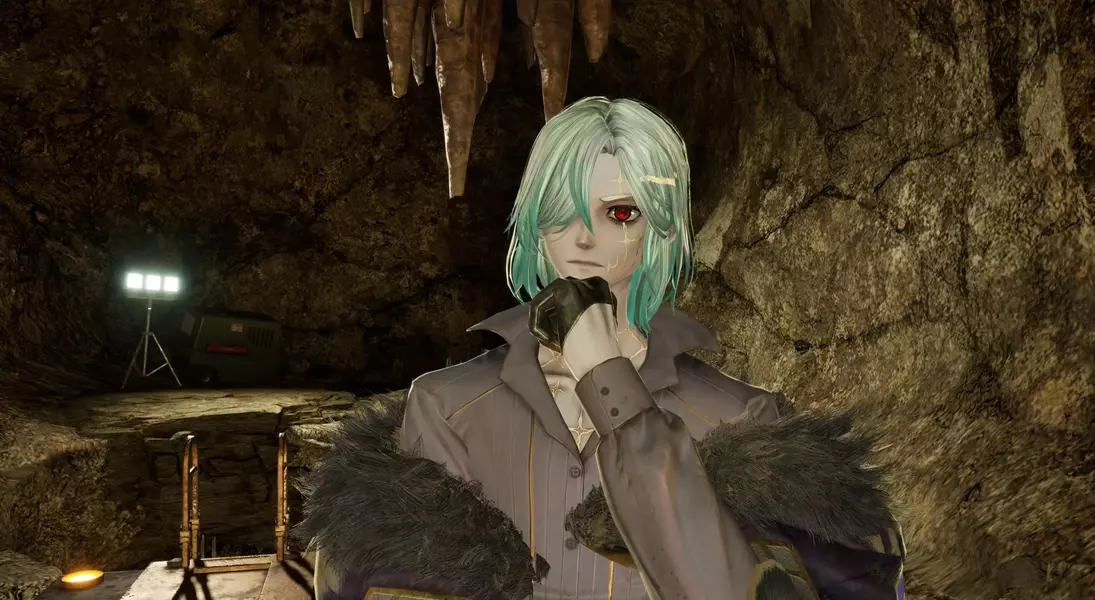
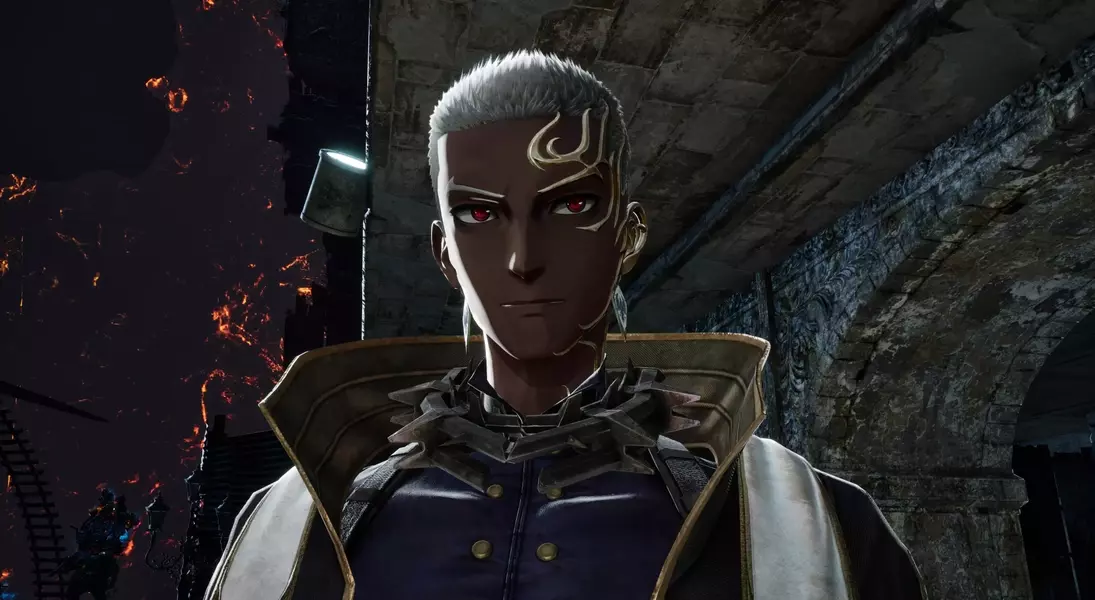
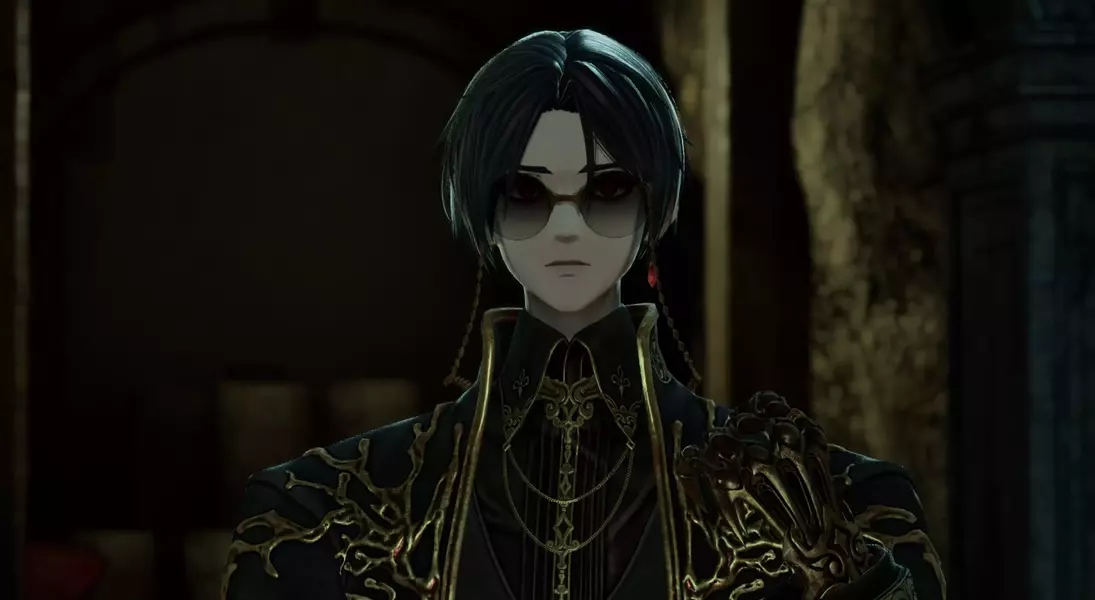
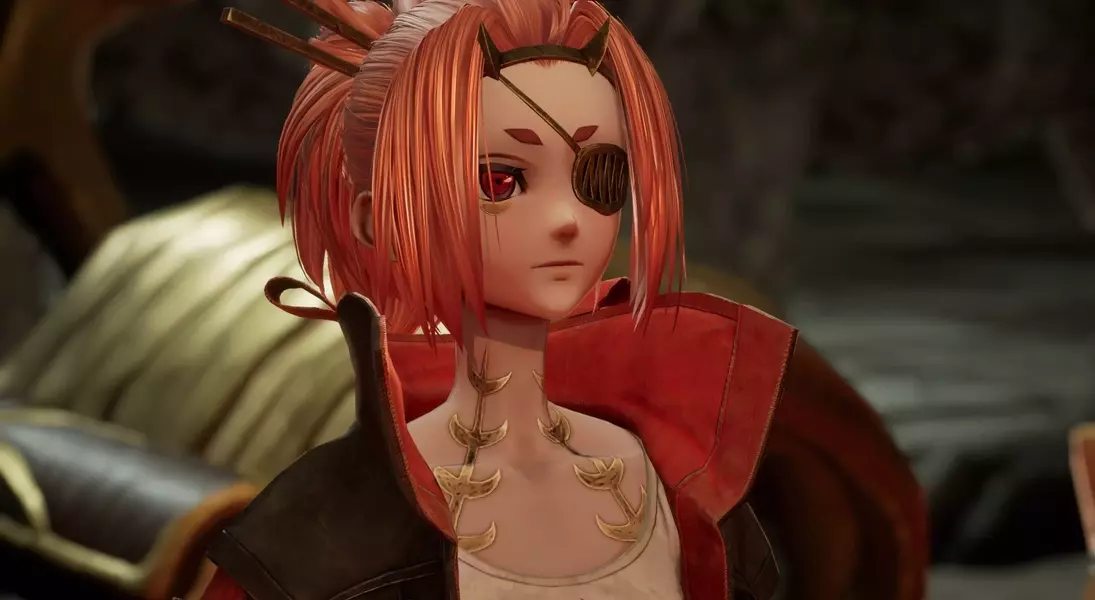
The story, primarily unfolding in the past, attempts a tragic opera but often falters due to its predictable plot and a lack of emotional resonance, despite a stirring soundtrack that tries to compensate for the narrative's weaknesses. Character development, particularly for the supporting cast, relies heavily on conventional anime tropes, presenting archetypes rather than complex personalities. Characters like Lou, the enigmatic girl with a golden heart, offer glimpses of a more unique design, but most others conform to simplistic portrayals: the boisterous Josée, the stoic yet kind Lyle, and the intellectually symbolized Valentin. This shallow characterization makes it difficult for players to form genuine connections, despite the game's efforts to foster camaraderie through shared combat. Code Vein 2 aspires to be a story of profound connection and difficult choices, but its reliance on superficial elements and a lack of narrative depth prevent it from fully realizing these grand themes. Ultimately, it delivers a serviceable action RPG, but one that requires players to overlook its narrative and technical shortcomings to fully appreciate its lively combat.
Code Vein 2, despite its engaging combat and stylistic flair, serves as a poignant reminder that ambitious storytelling requires more than just a captivating premise. The game's struggles with character depth and technical optimization highlight the delicate balance between gameplay mechanics and narrative immersion. It suggests that while a fast-paced battle system can provide immediate gratification, a truly memorable experience hinges on a cohesive design where all elements—story, characters, and performance—harmoniously support each other. This review underscores the importance of a polished overall experience, where even a visually striking world and thrilling combat can be overshadowed by a narrative that fails to resonate and technical issues that break immersion. Moving forward, game developers should strive for a holistic approach, ensuring that every facet of a game contributes meaningfully to the player's journey, transforming a good idea into a truly great game.
