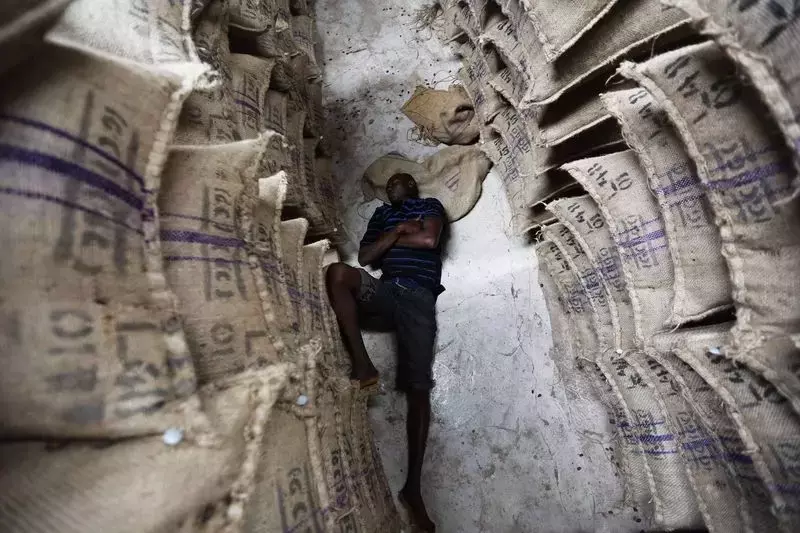
The most active contract witnessed a remarkable upswing, reaching as high as 3.4% and attaining a value of $12,163 per ton. This year has been a game-changer for cocoa futures, with their value nearly tripling. The primary cause behind this significant growth is the poor harvests witnessed in West Africa. These harvest setbacks have led to the most severe deficit ever recorded, compelling companies to dip into their reserves to meet the demand. Simultaneously, London prices also embarked on a rally, registering an increase of over 3%. The concerns regarding the supply of cocoa have been reignited due to the anticipation of a weaker-than-expected crop in the Ivory Coast for the current season. This country, which accounts for over a third of the world's cocoa production, is projected to produce 1.9 million tons in the 2024-25 season. This figure represents a nearly 10% decline from the government's initial prediction of approximately 2.1 to 2.2 million tons at the start of the season in October. A poorer harvest will undoubtedly make it more difficult to replenish the stockpiles that are currently on a downward trajectory. The implications of these developments are far-reaching and will likely have a significant impact on the cocoa market and the industries dependent on it. Unraveling the Cocoa Futures Boom and Its Challenges
Impact of Poor Harvests in West Africa
The poor harvests in West Africa have sent shockwaves through the cocoa market. These regions are crucial for cocoa production, and when the harvests fail to meet expectations, it creates a domino effect. The shortage in supply leads to an increase in prices, as companies scramble to secure their sources. This not only affects the immediate market but also has long-term implications for the cocoa industry. It forces companies to reevaluate their strategies and find alternative sources of supply. Additionally, the poor harvests have a direct impact on the farmers in these regions. They rely on cocoa production for their livelihoods, and a decrease in harvests means a decrease in their income. This can lead to social and economic instability in these communities.Rally in London Cocoa Prices
The rally in London cocoa prices is a clear indication of the market's response to the supply issues. As the demand for cocoa remains high while the supply is constrained, the prices naturally start to rise. This rally has attracted the attention of investors and traders from around the world. They are keen to capitalize on the potential profits that can be made in the cocoa market. However, this rally also brings with it a certain level of volatility. The prices can fluctuate rapidly depending on various factors such as weather conditions, political instability, and changes in demand. Therefore, it is essential for market participants to closely monitor the market and make informed decisions.Projection for Ivory Coast's Cocoa Production
The projected cocoa production in the Ivory Coast for the 2024-25 season is a significant event that will have a major impact on the global cocoa market. With a production of 1.9 million tons, which is nearly a 10% drop from the initial prediction, it highlights the challenges faced by the cocoa industry. This lower production will put additional pressure on the already tight supply situation. It will require companies to be more strategic in their sourcing and inventory management. Moreover, it also raises questions about the sustainability of cocoa production in the Ivory Coast. The country needs to focus on improving agricultural practices and investing in infrastructure to ensure a more stable and consistent supply of cocoa in the future.
You May Like