Coachella, a celebrated music and arts festival, has markedly evolved from its independent roots into a significant commercial arena. This transformation sees brands actively participating, leveraging the festival's unique atmosphere and influencer-rich environment to boost their visibility and engagement. The recent festival demonstrated a notable uptick in brand involvement, underscoring its pivotal role as a marketing hotspot. Amidst this commercial surge, celebrity-backed brands, such as Rhode and Skylrk, have showcased exceptional success by authentically integrating themselves into the festival's narrative, achieving impressive engagement rates. However, the landscape remains competitive, with many brands struggling to capture genuine attention, emphasizing that visibility alone is insufficient without meaningful connection. This dynamic shift presents both complex challenges and fertile opportunities for brands striving to resonate with the festival's highly engaged demographic.
Coachella's Brand Boom: Strategies for Engagement and Influence
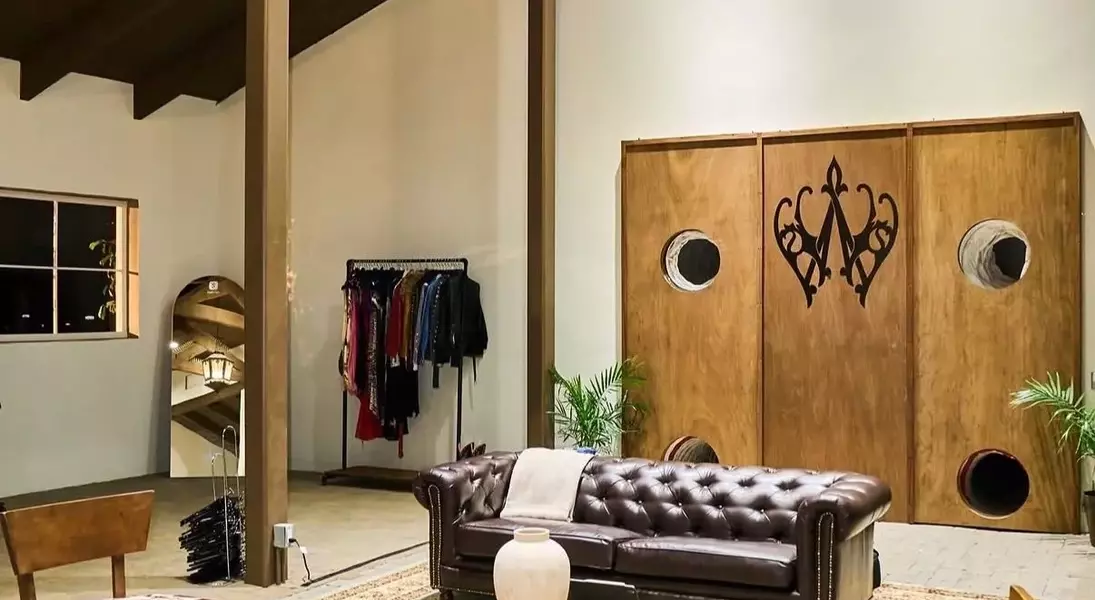
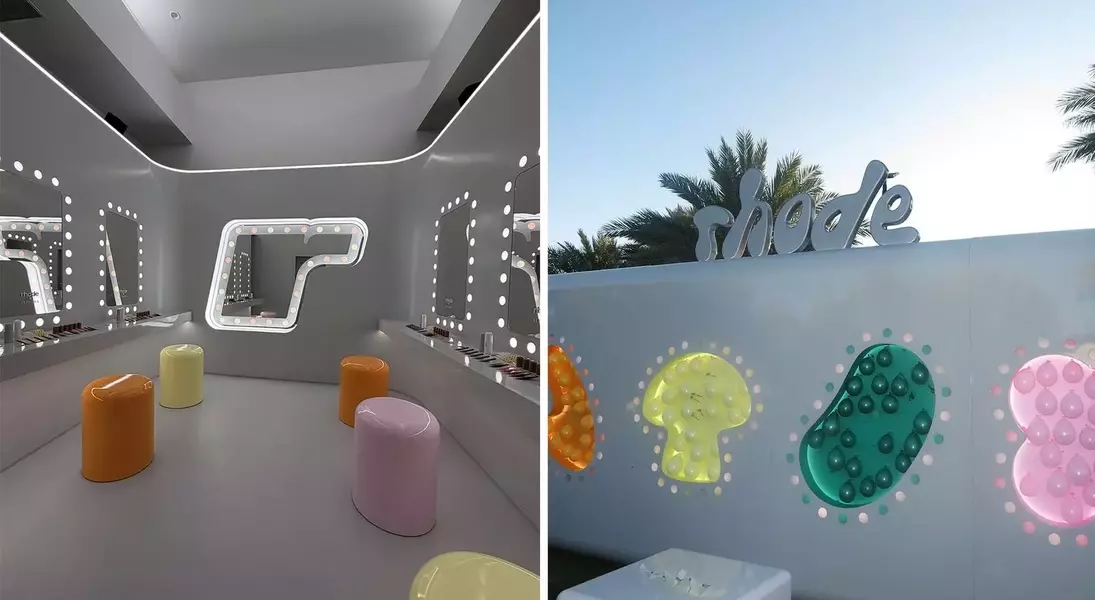
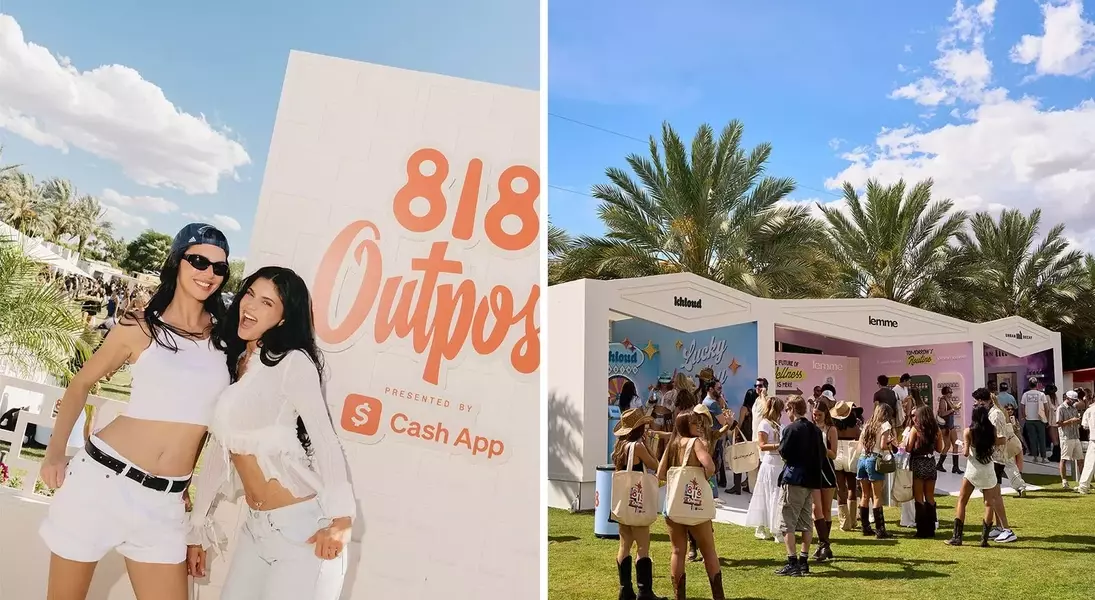
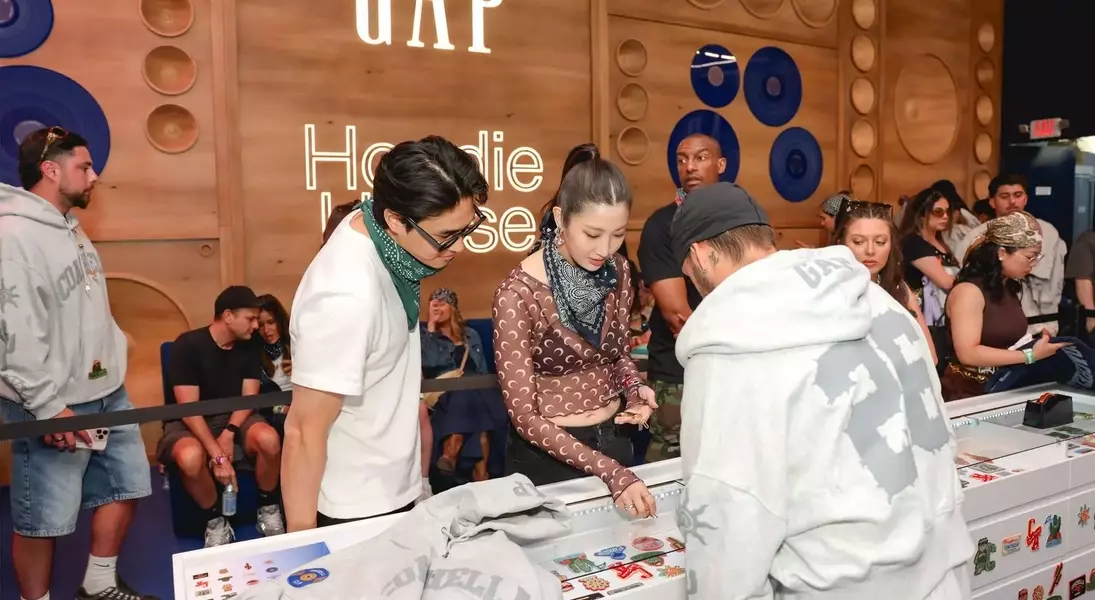
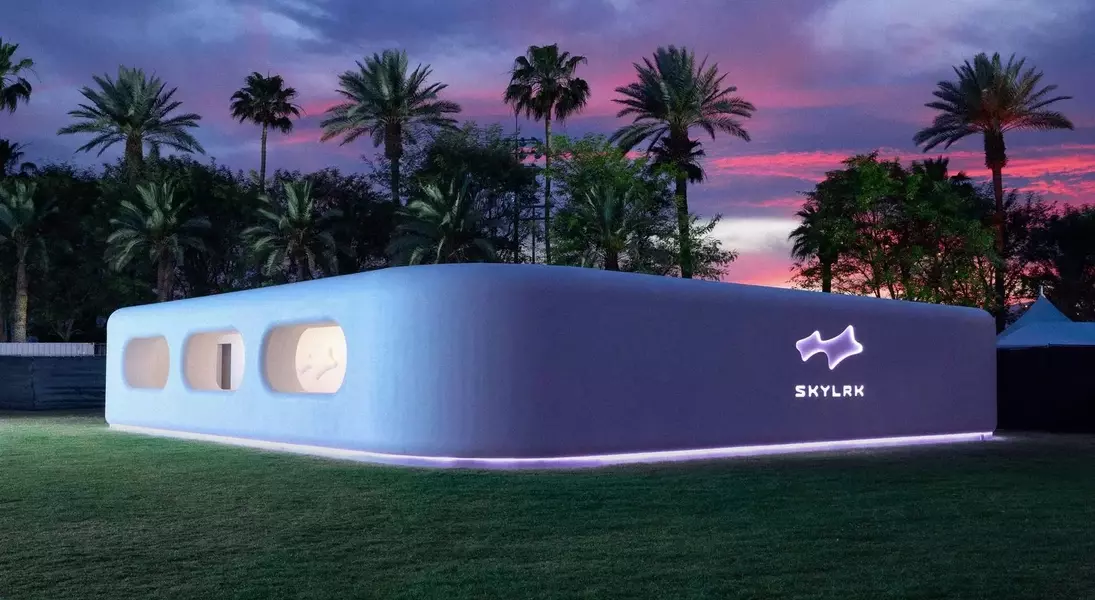
The first weekend of the Coachella festival recently unfolded, illustrating its strong appeal to a diverse array of brands. Justin Bieber's Skylrk, for example, hosted a 'Skylrk Oasis' directly on the festival grounds, a venture set to continue into the second weekend, cementing its presence as a key attraction. Gap, serving as Coachella's exclusive apparel and official merchandise partner, established its 'Hoodie House' within the festival premises. Beyond the main site, Rhode unveiled its inaugural 'Rhode World' compound, joining other established desert presences such as Revolve, Poosh, Guess, and 818. Consumer packaged goods (CPG) companies also marked their presence, with long-standing festival participant Poppi making an appearance alongside major names like Starbucks and eco-friendly cleaning product brand Method. Experts agree that Coachella's status as a prime location for influencers makes it a compelling platform. Vesper Ireland, founder of Vescorp, noted that a successful activation at Coachella can generate more organic reach in 72 hours than a month's worth of paid media. Eve Lee, founder of The Digital Fairy, aptly described Coachella as the "brand mecca" of festivals, highlighting its commercial intensity.
However, simply being present does not guarantee success. Metricool's influencer marketing specialist, Alexandra Caceres, pointed out that while visibility is high, engagement rates vary significantly. Established brands like Guess, Revolve, and Poosh often recorded engagement below the typical 1-3% 'good' range. In contrast, celebrity and influencer-led brands demonstrated a clear advantage; Alix Earle's Reale Actives achieved an 8.12% engagement rate with its 'Reale Actives Casa', followed by Rhode at 3.68%. These brands often benefit from substantial marketing budgets, as seen with Rhode's acquisition by Elf Beauty and Skylrk's founder, Justin Bieber, a top-earning artist at Coachella. According to Ireland, their success stems from an organic fit within the Coachella ecosystem, having been part of the festival's narrative long before launching products. This makes their activations feel like authentic extensions of their stories rather than mere commercial endeavors. Brands without this inherent cultural capital, however, can still succeed through strategic content. Poppi achieved a solid 1.39% engagement by focusing on beloved creators, hosting popular figures like Jake Shane and Mickey Gordon in 'Casa Poppi' themed houses. These collaborations generated content around their personal experiences within Poppi's world, rather than directly promoting products. In stark contrast, Starbucks's approach of having influencers directly thank the brand for hosting them yielded a meager 0.12% engagement, illustrating the importance of indirect, authentic promotion. The '818 Outpost' provided an example of collaboration, featuring booths from non-competitor brands like Salt & Stone and Urban Decay, which drew large crowds of influencers. Caceres suggests a hybrid approach that integrates pre-event teasers, gifting, and real-time activations, followed by post-event recaps to build a comprehensive ecosystem. Skylrk successfully adopted this strategy by allowing attendees to generate content during the first weekend, reserving its own content rollout for the period between weekends.
Ultimately, this evolving landscape highlights that while the festival offers immense potential for brands, strategic and authentic engagement is paramount to cutting through the commercial noise and achieving meaningful resonance with audiences. The second weekend, often overlooked, presents a valuable opportunity for brands to be creative and focus on servicing attendees, thereby fostering stronger emotional connections.
